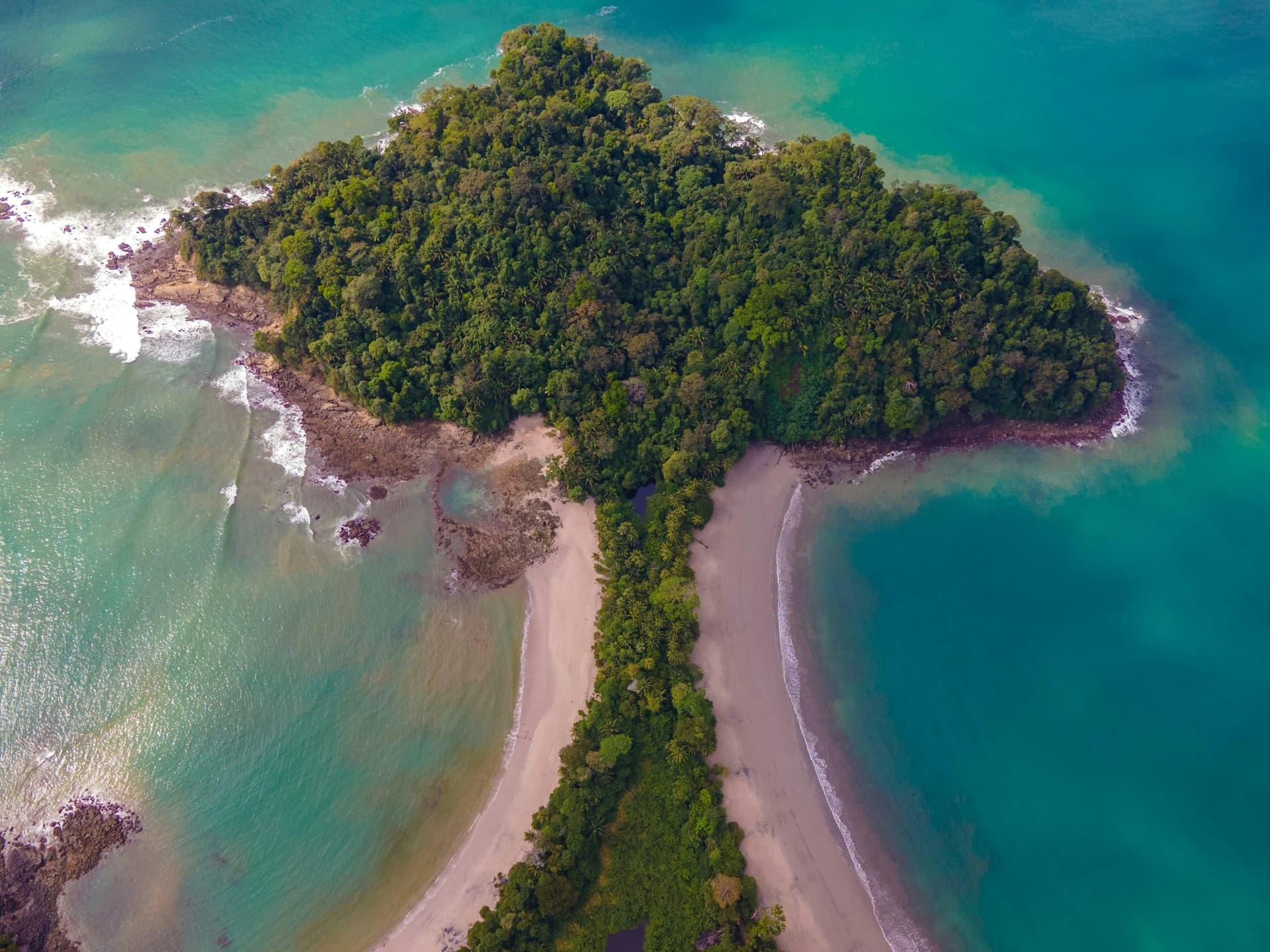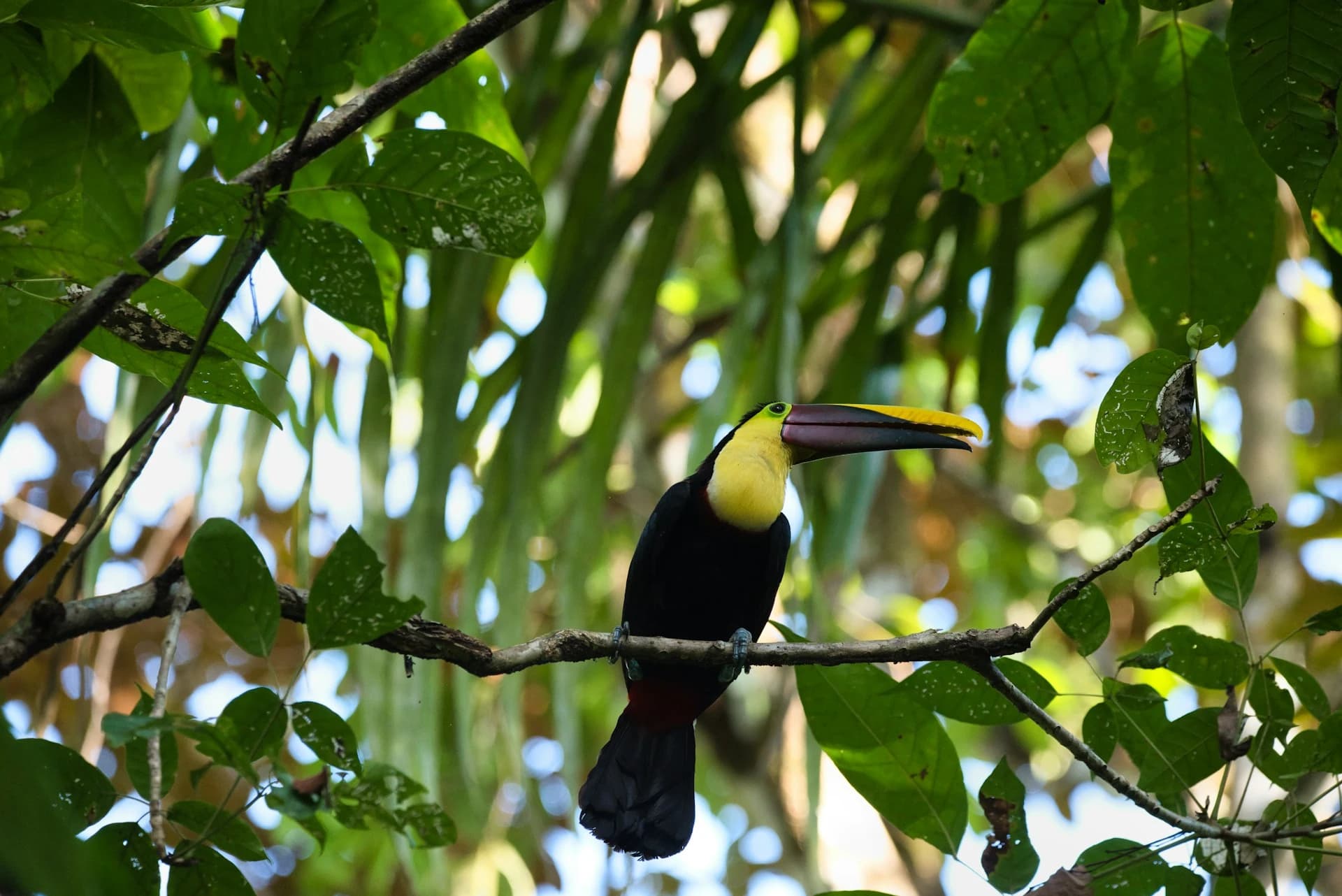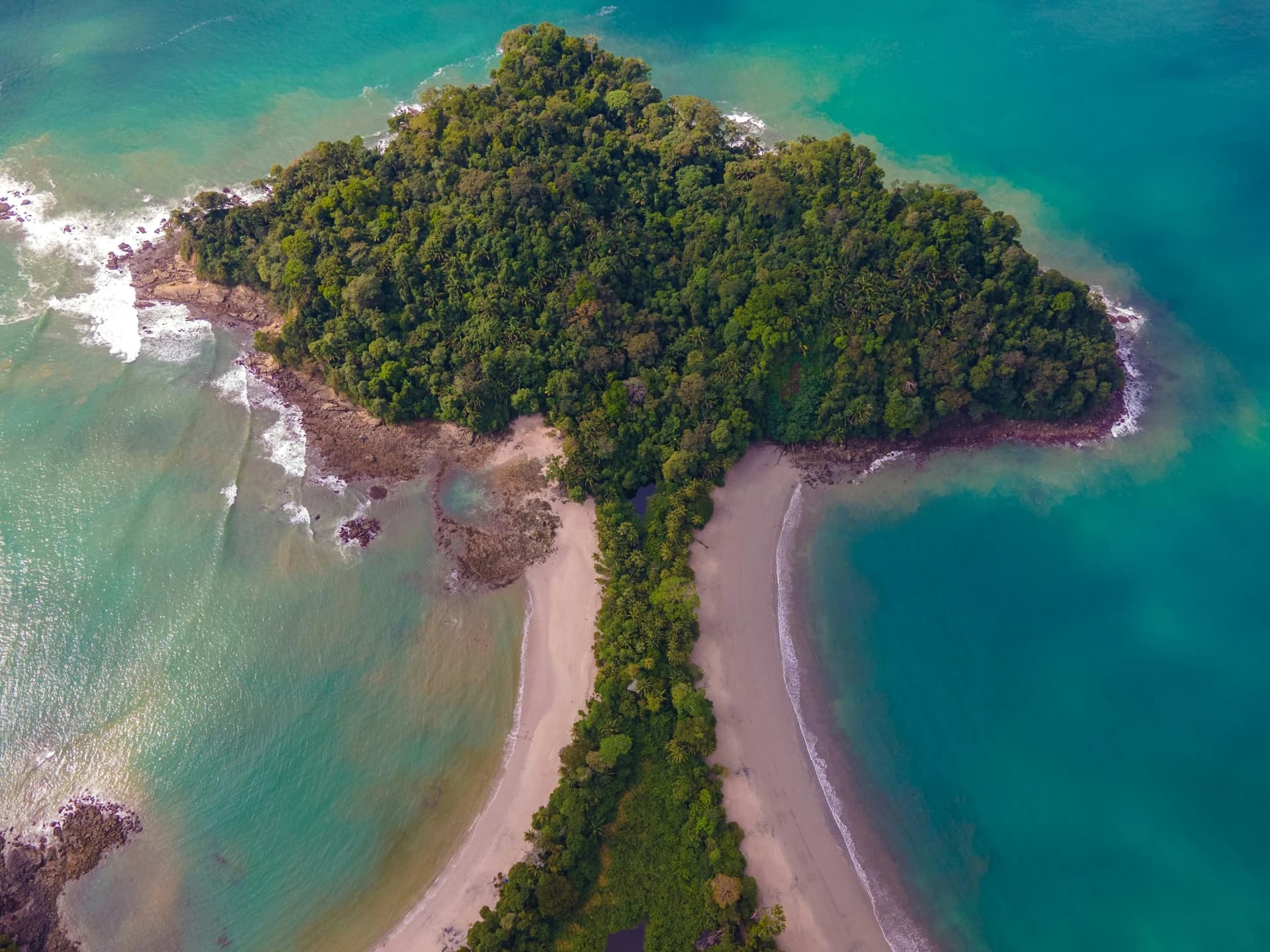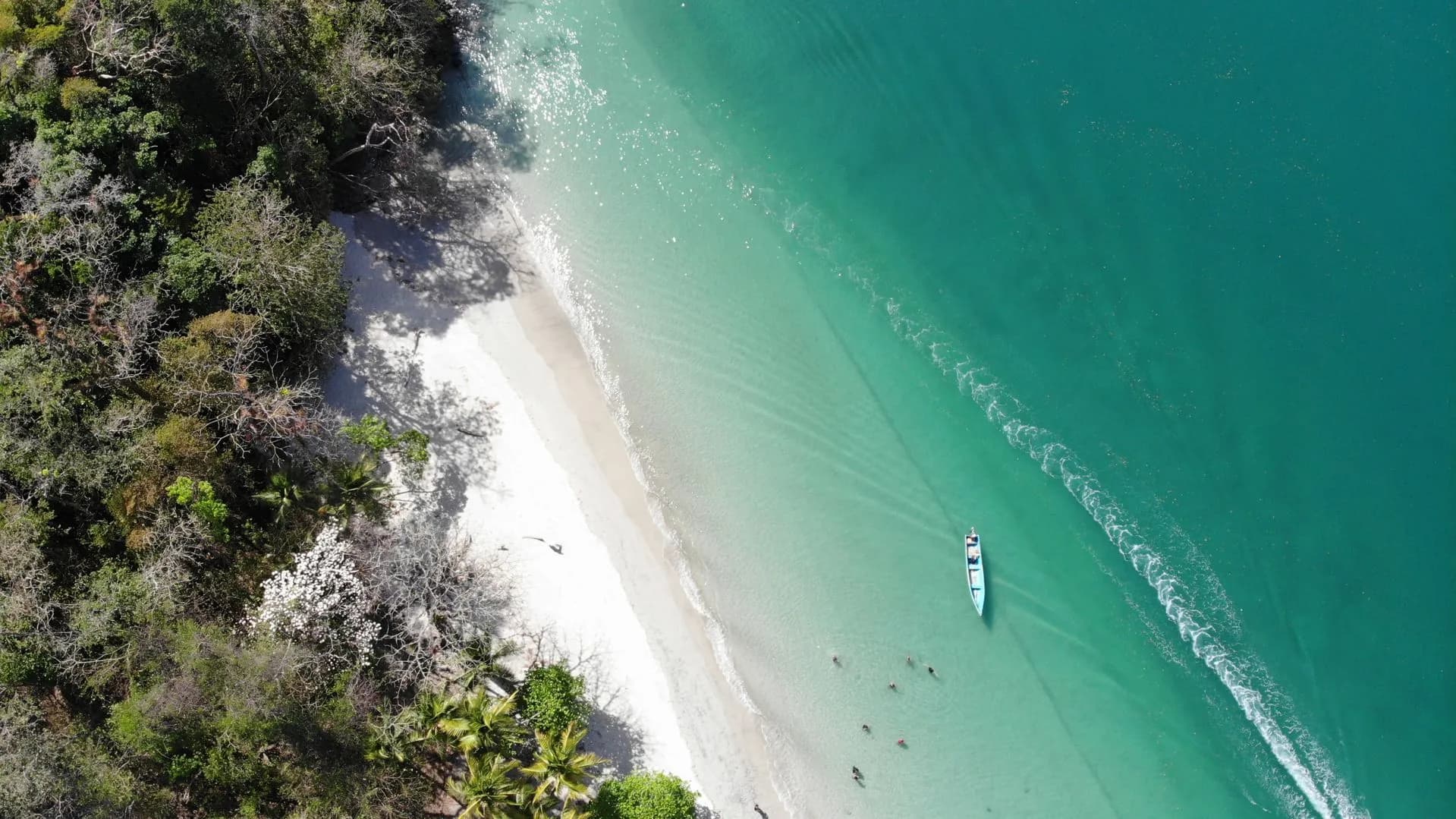
The best time to visit Manuel Antonio depends on the trade-off you want: the dry season brings reliable sun and the busiest, priciest trails, while the green season brings lush forest, active wildlife, whale watching, and far better value. Here is how to choose.
What You Should Know
- Manuel Antonio has two seasons. The dry season (mid-December through April) brings the sunniest, driest weather and the best snorkeling visibility, but also the highest crowds and prices. The green season (May through mid-December) brings lush forest, active wildlife, lower prices, and afternoon rain.
- There is no bad month for wildlife. Sloths, monkeys, and toucans are active in Manuel Antonio National Park year-round, and they are easiest to spot in the cool early morning regardless of season, which is why an early park entry matters more than the month.
- Whale watching has two windows: the bigger southern-humpback season runs roughly late July through early November (peaking August to October), and a smaller northern season runs December through March. September and October are the whale-watching peak.
- The green season's rain follows a rhythm: most days start bright and clear, with showers building in the afternoon. Front-loading the day, the park and tours in the morning, makes a green-season trip work, and matters whether you come for a day trip from San José or stay overnight in Quepos.
Best Time to Visit Manuel Antonio: The Short Answer
⭐ The short answer: For the most reliable sun and the best beach-and-park weather, visit in the dry season (mid-December through April), with February the sweet spot. For lush scenery, wildlife, whale watching, and far better value, visit the green season, with November and May the standout shoulder months. September and October are cheapest and best for whales, but wettest.
The best time to visit Manuel Antonio comes down to one trade-off: the dry season (mid-December through April) gives you the most reliable sun, the clearest water, and the easiest national park conditions, but it is also the busiest and most expensive time of year. The green season (May through mid-December) flips that, with lush rainforest, the most active wildlife, whale watching, and prices well below the dry-season peak, in exchange for afternoon rain. There is no single month that is best at everything, so the right time depends on whether you are optimizing for guaranteed sun or for scenery, wildlife, and value.
If you want the simplest recommendation: come in the dry season if reliable beach weather is the priority, and come in the green-season shoulders (May or November) for the best balance of decent weather, low crowds, and strong value. The forest is greenest and the wildlife most active in the green season, and the rain mostly arrives in predictable afternoon bursts rather than washing out whole days.
One thing to settle up front: Manuel Antonio sits on the central Pacific coast near Quepos, about a 2.5 to 3.5 hour drive from San José. Many travelers come as a day trip or overnight from San José, and the season affects that drive too, since green-season afternoons bring the heaviest mountain-road rain. Our San José to Manuel Antonio guide covers the route and timing in detail. And if you are still choosing between parks, our Corcovado vs Manuel Antonio comparison weighs this park against the wild, remote Corcovado.
Best Time to Visit Manuel Antonio by Traveler Type
The fastest way to find your month: pick the row that describes your trip. Each recommendation is unpacked in detail further down.
| Traveler | Best Months |
|---|---|
| First-time visitors | February, December |
| Reliable sun & beaches | January–April |
| Wildlife & rainforest | May–November (green, lush) |
| Whale watching | September, October |
| Budget travelers | September, October |
| Best value (weather vs cost) | May, November |
| Surfers | June–October (green-season swell) |
| Fewest crowds | May, June, September, October |
What Is the Best Month to Visit Manuel Antonio?
If we had to pick one month, February is the best month to visit Manuel Antonio. It sits in the heart of the dry season with the sunniest, driest weather and the clearest water, but the New Year holiday crowds have cleared and it lands before the March and Easter spring-break peak. For the best balance of conditions and value, November is the standout: the rains are easing, the forest is at its greenest, crowds are low, and prices sit below the December holiday surge.
Scoring every month on weather, wildlife, crowds, and price together, the dry-season months February (9/10) and January, March, and December (8.5/10) lead on weather, while the green-season shoulders May and November (8/10) lead on value. The lowest-scoring months overall are September and October (6.5/10), the wettest of the year, though they are also the cheapest, quietest, and the peak of whale season.
The key Manuel Antonio insight: unlike many beach destinations, the best-weather season here is also the most expensive and crowded. So the "best month" splits cleanly by priority. If guaranteed sun is the point, the dry season wins. If you want the rainforest at its most alive, with whales, low prices, and quiet trails, the green season is genuinely better, just plan around the afternoon rain.
Our experience (dry-season tradeoff): Travelers chasing guaranteed sun in January and February get it, but they also hit the year's highest prices and the national park's busiest trails. We'd weigh honestly whether reliable sun is worth giving up the green season's quiet, lush forest, and far better value.
Manuel Antonio's Two Seasons: Dry vs Green
Timing a Manuel Antonio trip comes down to one split: the dry season versus the green (rainy) season. On Costa Rica's central Pacific coast, the two seasons offer almost opposite versions of the same place.
The dry season runs mid-December through April. It is the sunniest, driest, hottest time of year, with reliable beach weather, the clearest water for snorkeling, and easy conditions in Manuel Antonio National Park. This is also the high season: it brings the largest crowds and the highest prices of the year, peaking over Christmas and New Year and again around Easter (Semana Santa). The park's daily entry slots sell out furthest ahead in these months.
The green season runs May through mid-December. Days typically start bright and clear, with rain building in the afternoon, and the landscape is at its most lush. Wildlife is highly active, prices drop well below the dry-season peak, the trails are quiet, and the humpback whales arrive. The trade-off is the rain, which grows heavier and more frequent toward September and October, the wettest months. A mid-year dry spell called the veranillo often brightens July.
Our experience (the morning rhythm): The single most useful green-season habit is front-loading the day. Most wet-season days start bright and clear with rain building after lunch, so booking the national park and tours for the morning changes the trip more than the exact month you pick.
| Season | Months | Weather | Forest & Wildlife | Crowds & Prices | Best For |
|---|---|---|---|---|---|
| Dry season | Mid-Dec–Apr | Sunny, hot, dry; reliable beach weather | Drier forest; easy park days; clearest water | Highest (peaks: Christmas/NYE, Semana Santa) | Reliable sun, beaches, snorkeling, first-timers |
| Green season | May–mid-Dec | Bright mornings, afternoon rain; wettest Sep–Oct | Lush; most active wildlife; whales Jul–Nov | Lower; quietest and cheapest Sep–Oct | Wildlife, whales, surf, value |
The Best Time to Visit Manuel Antonio by What Matters Most
There is no single best month, only the best month for your priority. Find the row that matches what you care about most, then check that month's full guide for the detail.
| If your priority is… | Best window | Why |
|---|---|---|
| Reliable sun & beaches | January – April | The driest, sunniest stretch of the year, with the clearest water for snorkeling. |
| Wildlife & lush rainforest | May – November | The green season keeps the forest at its most alive and active, especially in the mornings. |
| Whale watching | September – October | The peak of the southern humpback season; a smaller northern season runs Dec–March. |
| The lowest prices | September – October | The wettest months are also the cheapest and quietest of the year. |
| Best value (weather vs cost) | May & November | Green-season shoulders: decent weather, lush forest, low crowds, and pre-peak prices. |
| Surfing | June – October | The green-season swell delivers the most consistent surf on this stretch of coast. |
| Fewest crowds | May, June, September, October | Green-season months away from holidays keep the park trails and beaches quiet. |
| Brightest green-season weather | July (veranillo) | The mid-year dry spell often delivers the sunniest stretch of the wet months. |
Our pick for a first Manuel Antonio trip is February if you want guaranteed sun, or November if you want the best overall value: the rains are easing, the forest is green, and crowds and prices are low before the December holidays. If whales or rock-bottom prices are the goal, September and October deliver, as long as you plan around the rain.
Manuel Antonio Month by Month: At a Glance
Here is the whole year in one view, with our overall score for each month. Each month links to a full guide with detailed weather, wildlife, and what to book.
| Month | Overall | Weather | Wildlife & Whales | Crowds & Prices | Headline |
|---|---|---|---|---|---|
| January | 8.5/10 | Peak dry; sunniest, driest | Active wildlife; northern whales pass | Highest crowds & prices | Reliable sun; book park ahead |
| February | 9/10 | Peak dry; hot and sunny | Active wildlife; clear trails | High, past New Year peak | Best all-round dry-season month |
| March | 8.5/10 | Hot, dry | Active wildlife | Spring-break crowds | Dry and sunny; busy |
| April | 8/10 | End of dry; hot | Active wildlife | Semana Santa spike, then easing | Dry-season finale; Easter peak early |
| May | 8/10 | Green starts; bright mornings | Forest greening; very active | Low; great value | Lush and quiet; top value shoulder |
| June | 7.5/10 | Green; afternoon rain | Lush; active wildlife | Low; good value | Quiet green season; strong surf |
| July | 8/10 | Veranillo; brightest wet month | Southern whales return | Summer-holiday uptick | Green-season bright spot; whales open |
| August | 7.5/10 | Green; afternoon rain | Whales building; lush | Family holidays; eases late | Whales and wildlife; lush |
| September | 6.5/10 | Wettest month | Whale-watching peak | Cheapest & quietest | Year's best value; rainiest |
| October | 6.5/10 | Very wet | Whale-watching peak | Cheapest & quietest | Whales and value; plan for rain |
| November | 8/10 | Rains easing; greenest | Lush; whale-season tail | Low, pre-holiday | Best value shoulder; quiet and green |
| December | 8.5/10 | Dry season returns | Northern whales arrive | Quiet early, peak Christmas/NYE | Sun returns; holiday premium late |
ℹ️ Overall scores are our editorial summary, weighing weather, wildlife, crowds, and prices together. They reflect the average traveler's priorities; if one factor matters most to you (sun, whales, lowest price, fewest crowds), use the priority table above instead.
Planning around the warmer, wetter half of the year? Our Manuel Antonio in summer guide goes deeper on the June-to-August green season: the veranillo, the start of whale season, and how to plan a rainy-season trip.
Manuel Antonio Seasonality Calendar at a Glance
The same year as a quick visual scan. More ⭐ is better in every column; ❌ means the activity is out of season that month.
| Month | Sun & Dry | Wildlife & Park | Whales | Surf | Quiet | Value |
|---|---|---|---|---|---|---|
| Jan | ⭐⭐⭐⭐⭐ | ⭐⭐⭐⭐ | ⭐⭐⭐ | ⭐⭐⭐ | ⭐⭐ | ⭐⭐ |
| Feb | ⭐⭐⭐⭐⭐ | ⭐⭐⭐⭐ | ⭐⭐⭐ | ⭐⭐⭐ | ⭐⭐ | ⭐⭐ |
| Mar | ⭐⭐⭐⭐⭐ | ⭐⭐⭐⭐ | ⭐⭐ | ⭐⭐⭐ | ⭐⭐ | ⭐⭐ |
| Apr | ⭐⭐⭐⭐ | ⭐⭐⭐⭐ | ❌ | ⭐⭐⭐⭐ | ⭐⭐ | ⭐⭐⭐ |
| May | ⭐⭐⭐ | ⭐⭐⭐⭐⭐ | ❌ | ⭐⭐⭐⭐ | ⭐⭐⭐⭐ | ⭐⭐⭐⭐ |
| Jun | ⭐⭐⭐ | ⭐⭐⭐⭐⭐ | ❌ | ⭐⭐⭐⭐⭐ | ⭐⭐⭐⭐ | ⭐⭐⭐⭐ |
| Jul | ⭐⭐⭐⭐ | ⭐⭐⭐⭐⭐ | ⭐⭐⭐ | ⭐⭐⭐⭐⭐ | ⭐⭐⭐ | ⭐⭐⭐ |
| Aug | ⭐⭐⭐ | ⭐⭐⭐⭐⭐ | ⭐⭐⭐⭐ | ⭐⭐⭐⭐⭐ | ⭐⭐⭐ | ⭐⭐⭐⭐ |
| Sep | ⭐⭐ | ⭐⭐⭐⭐⭐ | ⭐⭐⭐⭐⭐ | ⭐⭐⭐⭐⭐ | ⭐⭐⭐⭐⭐ | ⭐⭐⭐⭐⭐ |
| Oct | ⭐⭐ | ⭐⭐⭐⭐⭐ | ⭐⭐⭐⭐⭐ | ⭐⭐⭐⭐⭐ | ⭐⭐⭐⭐⭐ | ⭐⭐⭐⭐⭐ |
| Nov | ⭐⭐⭐⭐ | ⭐⭐⭐⭐⭐ | ⭐⭐⭐ | ⭐⭐⭐⭐ | ⭐⭐⭐⭐ | ⭐⭐⭐⭐ |
| Dec | ⭐⭐⭐⭐ | ⭐⭐⭐⭐ | ⭐⭐⭐ | ⭐⭐⭐ | ⭐⭐ | ⭐⭐ |
ℹ️ The dry season wins on sun but loses on crowds and value, while the green season wins on wildlife, whales, and price. That opposite pattern is why no single month scores top marks across every column.
Best Time to Visit Manuel Antonio for Your Trip Type
The right month also depends on who is travelling and what they want out of the trip.
Couples and honeymooners
For guaranteed sun and clear beach days, February and December are the dry-season picks. For a lusher, quieter, better-value trip with whales, November is hard to beat: the rains are easing, the forest is green, and the crowds are gone. A sunset sail and snorkeling tour is at its best on the calm, clear days of the dry season.
Families
Dry-season holidays (late December, Easter) bring reliable beach weather but the year's biggest crowds and prices, so book the park and hotels far ahead. The green-season summer (July and August) is a strong alternative for families: the veranillo brightens July, wildlife is active, whales return, and prices stay well below the dry-season peak. Our things to do in Manuel Antonio guide covers the family-friendly options across seasons.
Budget travelers
September and October are the cheapest and quietest months outright, with May, June, and November close behind. The trade is rain, heaviest in September and October, so build a flexible, morning-first itinerary and keep indoor or rain-friendly backups ready. The payoff is low prices, empty trails, and the whale-watching peak.
Wildlife and whale watchers
The green season (May through November) keeps the rainforest at its most active, and the whale-watching peak falls in September and October. A birdwatching tour and a guided night walk both shine in the lush green months. Wildlife in the national park is excellent year-round, so even a dry-season trip delivers sloths and monkeys. For itineraries built around your group, see our guides to the best things to do in Manuel Antonio for families, couples and seniors.
Manuel Antonio Park Nature Guided Tour with a Nature Specialist
The one activity we would build a Manuel Antonio trip around, in any season. A certified naturalist leads a small group along the park's flat, mostly paved main trail and finds the wildlife you would walk straight past on your own, from both species of sloth to capuchins, toucans and snakes, then sets up a spotting scope so everyone gets a clear look and a photo. At 4.8 stars across more than 4,300 reviews it is the highest-volume tour in the area, it suits every age and fitness level, and it ends at the park beaches where you can stay on afterward.
Book NowBest Time to Visit Manuel Antonio by Activity
If your trip is built around one thing in particular, the calendar shifts. Here is the best window for the activities people most often plan a Manuel Antonio trip around.
| Activity | Best Months | Why |
|---|---|---|
| National Park & wildlife | Year-round | Sloths, monkeys, and toucans are active all year; early morning is best in any season. |
| Beaches & reliable sun | Jan–April | The driest, sunniest stretch with the clearest water and calmest conditions. |
| Whale watching | Sep–Oct (also Jul–Nov) | Peak southern humpback season; a smaller northern season runs Dec–March. |
| Snorkeling | Dec–April | Dry-season calm and clarity give the best underwater visibility at Biesanz Bay. |
| Surfing | June–Oct | The green-season swell delivers the most consistent waves on this coast. |
| Birdwatching & night tours | May–Nov | The lush green season is when the forest is most alive and active. |
Our experience (wildlife): Sloths and monkeys are most active in the cool early morning regardless of month. The visitors who book the first national park entry of the day, around 7am, reliably see more than those arriving at midday, dry season or green.
Manuel Antonio Day Trip vs Overnight: Best Time for Each
Because Manuel Antonio is a popular day trip from San José, the season shapes not just what you do but how you should visit. The drive is about 2.5 to 3.5 hours each way, so the math changes between the dry and green seasons.
| Approach | Best in | Why |
|---|---|---|
| Day trip from San José | Dry season (Dec–April) | Reliable all-day sun and dry mountain roads make a long out-and-back worth it; leave early to maximize beach and park time. |
| Overnight in Quepos / Manuel Antonio | Green season (May–Nov) | Staying over lets you catch the bright early mornings for the park and wildlife before the afternoon rain, rather than arriving at midday. |
In the dry season, a day trip works well because the weather is dependable and the roads are clear. In the green season, an overnight pays off: the best wildlife and weather window is the early morning, which is hard to reach if you are still driving down from San José when the rain builds in the afternoon. Either way, our San José to Manuel Antonio guide and Manuel Antonio day tours guide cover the transfer options and timing.
Our experience (the drive): In the green season, the mountain road from San José is most reliable in the morning before afternoon storms. Travelers who leave San José early, or overnight in Quepos, consistently have a smoother trip than those driving down in the afternoon.
When to Avoid Manuel Antonio (and How to Work Around It)
No month is off-limits, but a few periods carry real downsides worth planning around.
- Christmas, New Year, and Semana Santa: the dry-season holidays bring the highest prices and the busiest national park of the year, with entry slots and hotels selling out far ahead. If you want the dry-season sun without the crush, aim for the second half of January or early December instead.
- Peak rain (September–October): these are the wettest months, with more frequent all-day rain than the early green season. Work around it with a morning-first itinerary, rain-friendly backups, and by treating the low prices, empty trails, and whale-watching peak as the payoff.
- The drive in green-season afternoons: the mountain road from San José sees the heaviest rain in the afternoon. Travel in the morning, or overnight near the park, rather than driving down late in the day.
- Midday in any season: wildlife goes quiet and the heat peaks at midday. The park and tours are best in the early morning, dry season or green, so a late start wastes the best window.
The pattern holds across the calendar: every downside has a workaround, whether it is a one-week shift off the holiday peak, a morning-first plan for the rain, or an overnight to catch the early window. None of these are reasons to write off a trip, only factors to plan around.
From Our Experience
What we consistently see is that travelers who decide between guaranteed sun and green-season value up front, then plan a morning-first day either way, come away happiest with Manuel Antonio. The single biggest lever is not the month but the time of day: the national park and wildlife reward an early start in every season.
Tips for Timing Your Manuel Antonio Trip
- Choose your season by priority: dry season (mid-Dec to April) for reliable sun and beaches; green season (May to November) for lush forest, wildlife, whales, and value. Trying to get peak sun and rock-bottom prices in the same trip is the one combination Manuel Antonio cannot offer.
- Book the national park ahead in the dry season: daily entry is capped and sells out furthest ahead from December through April and over holidays. Reserve your park day before you finalize anything else in peak season.
- Go early, whatever the month: wildlife is most active and the weather most reliable in the early morning. Aim for the first park entry around 7am and front-load tours, especially in the green season.
- Target the shoulders for value: May and November deliver lush green-season scenery, low crowds, and pre-peak prices, with far better odds of decent weather than September or October. These are the best value-to-conditions windows on the calendar.
- Time whale watching for September–October: the southern humpback season peaks then, with a smaller northern season December to March. Add a whale-watching trip if your dates fall in those windows.
- Plan the San José drive around the morning: in the green season especially, leave early to beat the afternoon mountain-road rain, or overnight near the park. Our San José to Manuel Antonio guide covers timing and transfer options.
- Still torn between the seasons? Our Manuel Antonio rainy season vs dry season comparison puts the two head to head on rain days, beaches, wildlife, crowds and prices, with a clear recommendation for each kind of traveller.
- Still deciding on a month? Read the detail. Our month-by-month guides for February, July, September, and November cover the standout months for weather, wildlife, and value in full.
What We'd Choose
If we were booking our own Manuel Antonio trip, here is the month we'd pick against a single goal:
- First Manuel Antonio trip: February, for the most reliable dry-season sun with the New Year crowds gone.
- Best value: November, lush and quiet with the rains easing and pre-holiday prices.
- Wildlife and whales: September or October, the whale-watching peak and the most active forest, if you embrace the rain.
- Green season with the best weather odds: July, the veranillo bright spot with whales returning.
- Quiet shoulder before the green season: May, lush and well-priced as the dry season ends.
ℹ️ These are our editorial picks, weighing weather, wildlife, crowds, value, and what each month uniquely offers. Your best month depends on which of these goals matters most for your trip.
How We Put This Guide Together
The Costa Rica Day Trip team built this guide from historical weather and rainfall records, humpback whale season data, national park visitor patterns, and the seasonal pricing and availability we track across Manuel Antonio's tours and accommodation. The central Pacific coast is sharply season-dependent, with its best weather and its best value falling in opposite halves of the year, so we prioritized documented timing over best-case framing. This guide was reviewed and updated in June 2026. Seasonal conditions vary year to year; we recommend confirming park availability, whale-watching schedules, and weather outlooks in the weeks before your trip. Every month linked here has its own dedicated guide with detailed weather and booking advice.
Frequently Asked Questions
When is the best time to visit Manuel Antonio?+
For reliable sun and the best beach and snorkeling weather, visit in the dry season, mid-December through April, with February the sweet spot. For lush rainforest, active wildlife, whale watching, and far better value, visit the green season (May to mid-December), with November and May the best shoulder months. September and October are cheapest and best for whales but the wettest.
What is the best month to visit Manuel Antonio?+
February is the best single month for reliable dry-season sun, with the New Year crowds gone and before the March and Easter peak. For the best value, November is the standout: the rains are easing, the forest is greenest, and crowds and prices are low before the December holidays. The best month really depends on whether you want guaranteed sun or value and wildlife.
When is the rainy season in Manuel Antonio?+
The green (rainy) season runs from May through mid-December, with September and October the wettest months. Most green-season days start bright and clear, with rain building in the afternoon, so a morning-first plan works well. A mid-year dry spell called the veranillo often brightens July. The dry season runs mid-December through April.
When is whale watching season in Manuel Antonio?+
Manuel Antonio has two humpback whale seasons. The larger southern-hemisphere season runs roughly late July through early November, peaking in September and October. A smaller northern season runs December through March. September and October are the best months overall for whale watching, overlapping with the wettest, cheapest part of the year.
What is the cheapest time to visit Manuel Antonio?+
September and October are the cheapest and quietest months, followed by May, June, and November. These green-season months trade lower prices for afternoon rain, heaviest in September and October. The dry season (mid-December through April) is the most expensive, peaking over Christmas, New Year, and Easter (Semana Santa).
Is Manuel Antonio worth visiting in the rainy season?+
Yes. The green season brings the lushest forest, the most active wildlife, whale watching, low prices, and quiet trails. The rain usually arrives in predictable afternoon bursts rather than all day, so a morning-first itinerary captures the best of it. May and November offer the best weather odds, while September and October are wettest but cheapest and best for whales.
Can you visit Manuel Antonio as a day trip from San José?+
Yes, it is about a 2.5 to 3.5 hour drive each way, and a day trip works best in the dry season when the weather and mountain roads are reliable. In the green season, an overnight in Quepos or Manuel Antonio is better, since the best wildlife and weather window is the early morning, which is hard to reach if you are driving down as the afternoon rain builds.
How many days do you need in Manuel Antonio?+
Two to three days suits most trips: enough for the national park, the beaches, a wildlife or whale-watching tour, and a slower pace. A single day trip from San José can cover the park and a beach in the dry season, but staying overnight makes a much stronger trip in the green season, when the early morning is the prime window.
Affiliate note: Some links on this page are affiliate links. If you book through them, we may earn a small commission at no additional cost to you.