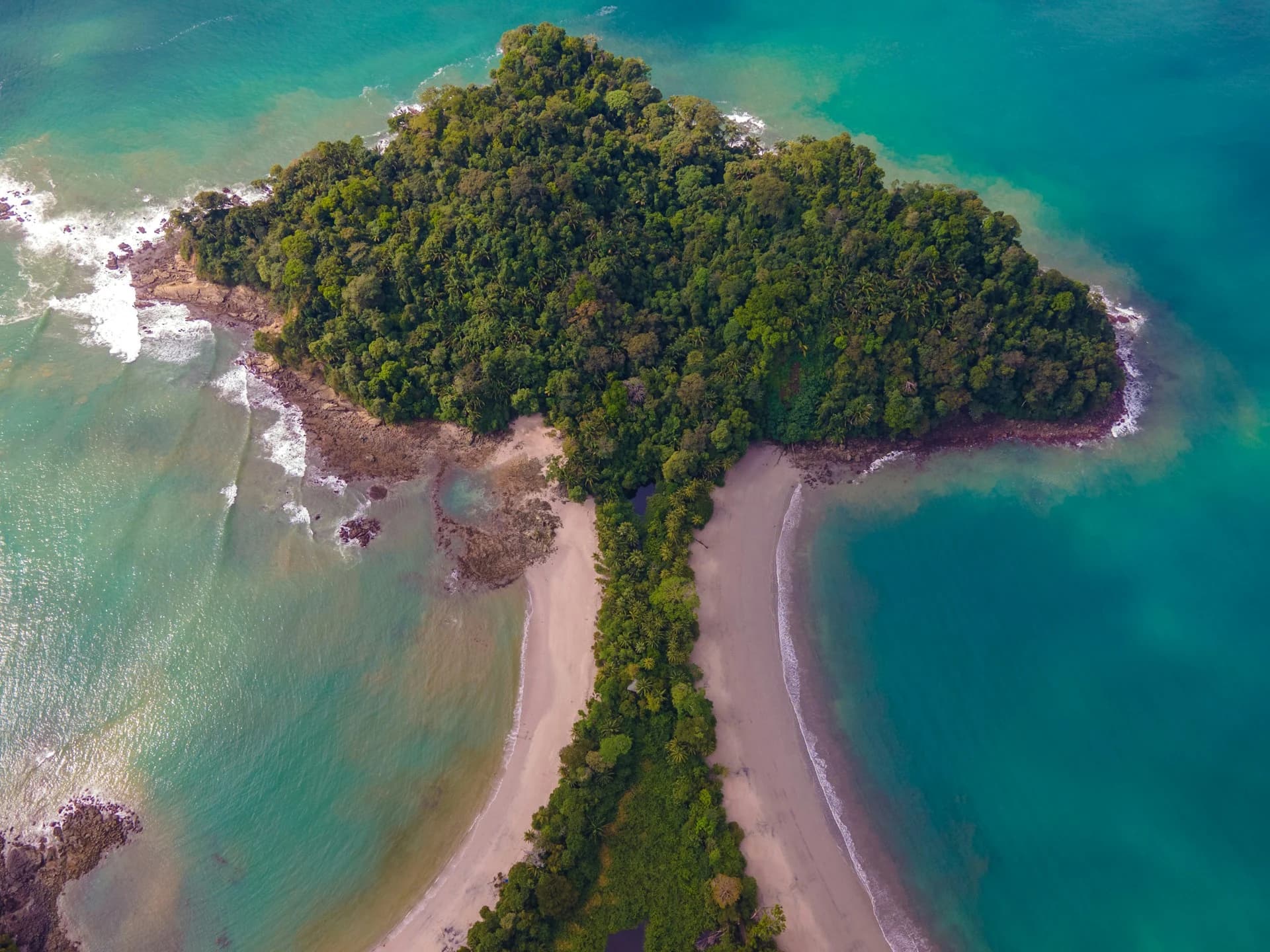
July is often the brightest month of the green season in Manuel Antonio thanks to the veranillo dry spell, and it opens humpback whale season. Here is the weather, the crowds, and what to book.
What You Should Know
- July is often the brightest month of the green season in Manuel Antonio thanks to the veranillo, a mid-year dry spell that eases the rains for a stretch, usually somewhere in the month.
- Humpback whales return: the southern-hemisphere season generally begins around July, so this is the first month of the year you can add a whale-watching trip, building toward an August-to-October peak.
- It is busier than May and June. North American and European summer holidays lift crowds and prices, though both stay well below the dry-season peak.
- The main tradeoff is that the veranillo is a pattern, not a guarantee: some years July stays showery. Mornings remain the reliable window for outdoor activity either way.
Manuel Antonio in July: The Honest Picture
⭐ Best July window: mid-July. The veranillo dry spell is most likely to deliver brighter, drier days mid-month, and the southern humpback whale season is getting underway.
| Factor | July Rating |
|---|---|
| Weather | 8/10: veranillo dry spell likely |
| Crowds | 5/10: summer-holiday uptick |
| Prices | 6/10: moderate, up from green-season low |
| Wildlife & National Park | 9/10: lush and active in the mornings |
| Snorkeling | 7/10: improves on drier veranillo days |
| Surf | 8/10: solid green-season swell |
| Rain | 7/10: veranillo eases the rains |
| Families | 8/10: summer holidays; lively but not crowded |
| Couples | 8/10: lush, with whales returning |
💰 Average July hotel prices (Manuel Antonio/Quepos, mid-range):
Most of July: ~$160/night · peak summer weeks slightly higher
Rough mid-range estimates; rates vary by property and booking lead time.
July is the green season's bright spot in Manuel Antonio. The veranillo, a mid-year dry spell, often eases the rains for a stretch, delivering the sunniest weather of the wet months, and the southern humpback whales return to the coast, opening the year's first whale-watching window. It is busier than May and June because of summer holidays, but it remains far quieter and cheaper than the dry season.
Visiting Manuel Antonio in July means getting many of the green season's perks, lush forest, active wildlife, lower prices, with better odds of sun than any other wet-season month and the bonus of whales. The catch is that the veranillo is a tendency, not a promise: some years stay showery, so the morning-first rhythm still applies.
We'd lean toward July for travelers who want green-season value and scenery with the best shot at sun, plus the chance to see whales. The honest tradeoffs are the summer-holiday crowds and the uncertainty of the veranillo's timing. This guide covers the weather week by week, how July compares to the rest of the year, the veranillo and the whale season, and the activities that shine this month.
Who July suits best:
- Wildlife and whale watchers: July opens the southern humpback season and keeps the forest lush and active.
- Summer-holiday travelers: the best green-season weather odds line up with school-break timing.
- Value seekers: prices are up from the green-season low but still well below the dry season.
- Guaranteed-sun travelers: less ideal. The veranillo improves the odds but does not promise dry days.
Manuel Antonio Weather in July
| Metric | July |
|---|---|
| Avg High | 31°C (88°F) |
| Avg Low | 23°C (73°F) |
| Water Temp | 28–29°C (82–84°F) |
| Rain Days | ~15 |
| Humidity | High |
| Wind | Low |
| Rain Level | Moderate (eased by the veranillo) |
Temperature and Humidity
July is warm and humid, with daytime highs around 31°C (88°F) and overnight lows near 23°C (73°F). On veranillo days the sun returns and it can feel hotter; on showery days the cloud keeps things cooler. Mornings are the reliable bright window, as in every green-season month.
Rain Pattern and the Veranillo
July typically sees less rain than June because of the veranillo, the mid-year dry spell that eases the afternoon storms for a stretch of days or weeks, often around the middle of the month. When it lands, you get more full sunny days than any other wet-season month. When it does not, July reverts to the standard pattern of bright mornings and afternoon rain. The timing and strength of the veranillo vary year to year, so treat it as a strong tendency rather than a fixed date.
Sea and Outdoor Conditions
The Pacific stays warm at 28 to 29°C (82 to 84°F). Snorkeling visibility improves on the drier veranillo stretches when river runoff eases, though it remains conditions-dependent. Surf holds a solid green-season south swell, good for intermediates and workable for beginners in the mornings. Trails stay green and can be muddy after a storm.
Manuel Antonio in July: Crowds and Prices
July is busier than the early green season because of summer holidays, but it is still a relaxed month by dry-season standards.
- Early July: Crowds build as North American and European school holidays begin. Weather is green-season standard until the veranillo settles in.
- Mid July: Typically the brightest stretch as the veranillo peaks, and the busiest as summer travel hits its stride. The best weather odds of the month, with whale tours getting underway.
- Late July: Summer travel continues; the veranillo may begin to fade back toward regular afternoon rain. Still good value and good wildlife.
Expect mid-range Manuel Antonio hotels to run around $160 per night in July, higher in the peak summer weeks, with beachfront and boutique properties above that. Prices are up from the May and June lows but remain well below the dry-season peak. Tour prices stay broadly stable year-round; book whale-watching and small-group tours a little further ahead than in the quietest months.
Is July a Good Time to Visit Manuel Antonio?
Yes, and for many travelers it is the best of the green-season months. The veranillo gives July the best chance of sun in the wet season, the forest stays lush, prices are still moderate, and the whales return. The tradeoffs are the summer-holiday crowds and the veranillo's year-to-year variability.
July vs Other Months
| Month | Weather | Crowds | Prices | Overall |
|---|---|---|---|---|
| May | 7/10: sunny mornings, afternoon rain | 7/10: quiet | 7/10: low | Lush, cheap, and quiet; gentle rains |
| June | 7/10: bright mornings, afternoon rain | 7/10: quiet | 7/10: low | Green season in full swing; great value |
| July | 8/10: veranillo dry spell likely | 5/10: summer-holiday uptick | 6/10: moderate | Brightest green-season month; whales return |
| August | 7/10: green season; rain building | 5/10: summer-holiday travel | 6/10: moderate | Whale season; lush and lively |
| September | 6/10: wettest stretch | 8/10: very quiet | 8/10: lowest | Wettest and cheapest; whale-watching peak |
July vs June
June and July share the lush green-season forest, but July usually has the better weather thanks to the veranillo, plus the return of whales. June is quieter and a little cheaper. We'd give July the edge for sun odds and whales, and June the edge for solitude and value. Our Manuel Antonio in June guide covers that month in detail.
So, When Should You Visit?
For the best green-season weather, July is the pick, with the bonus of whales returning. For the cheapest and quietest green-season trip, May and June are gentler on the wallet, and September and October are cheaper still but wetter. For guaranteed sun, the dry season (December through April) remains the safe choice. Our Manuel Antonio in summer guide covers the June-to-August window in full.
The Veranillo and the Return of the Whales
Two things set July apart from the rest of the green season: the veranillo dry spell and the return of humpback whales. Together they make it the standout wet-season month.
What the Veranillo Is
The veranillo, sometimes called the little summer or canícula, is a mid-year dry spell on the Pacific coast when the rains ease for a stretch, often around the middle of July. It is not a hard calendar event, but in most years it delivers a run of brighter, drier days unusual for the wet season. That makes July the green-season month with the best odds of sun, better wildlife light, and clearer water for snorkeling on the dry days.
Humpback Whales Return
July generally opens the southern-hemisphere humpback whale season on Costa Rica's central and south Pacific, the first whale window since the northern season ended in winter. Sightings build through the season toward an August-to-October peak. The prime viewing is concentrated south toward Marino Ballena National Park near Uvita, about an hour from Manuel Antonio, where dedicated whale-watching day trips run; some sailing tours closer to Quepos also begin to encounter them.
A Lush, Active Forest
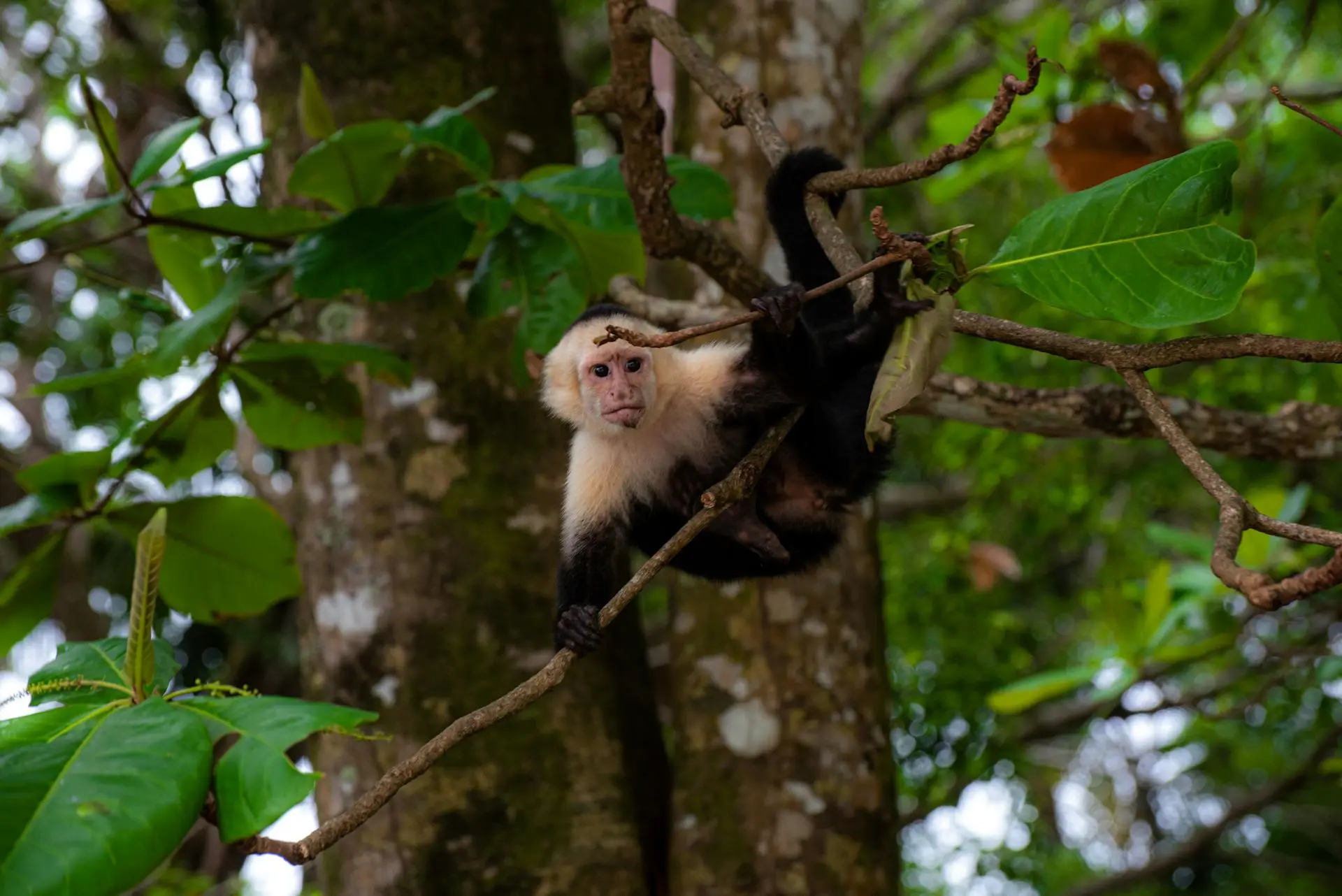
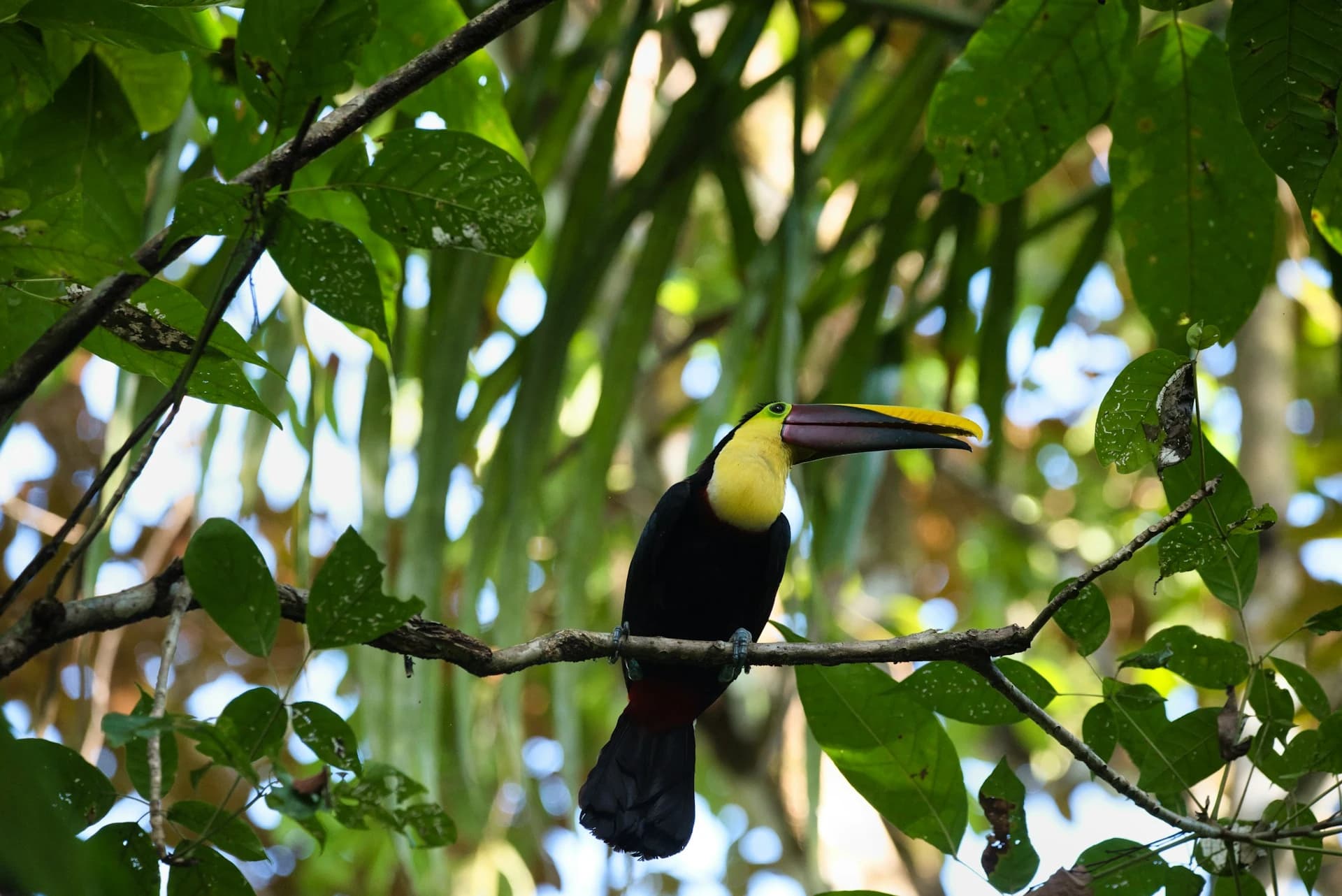
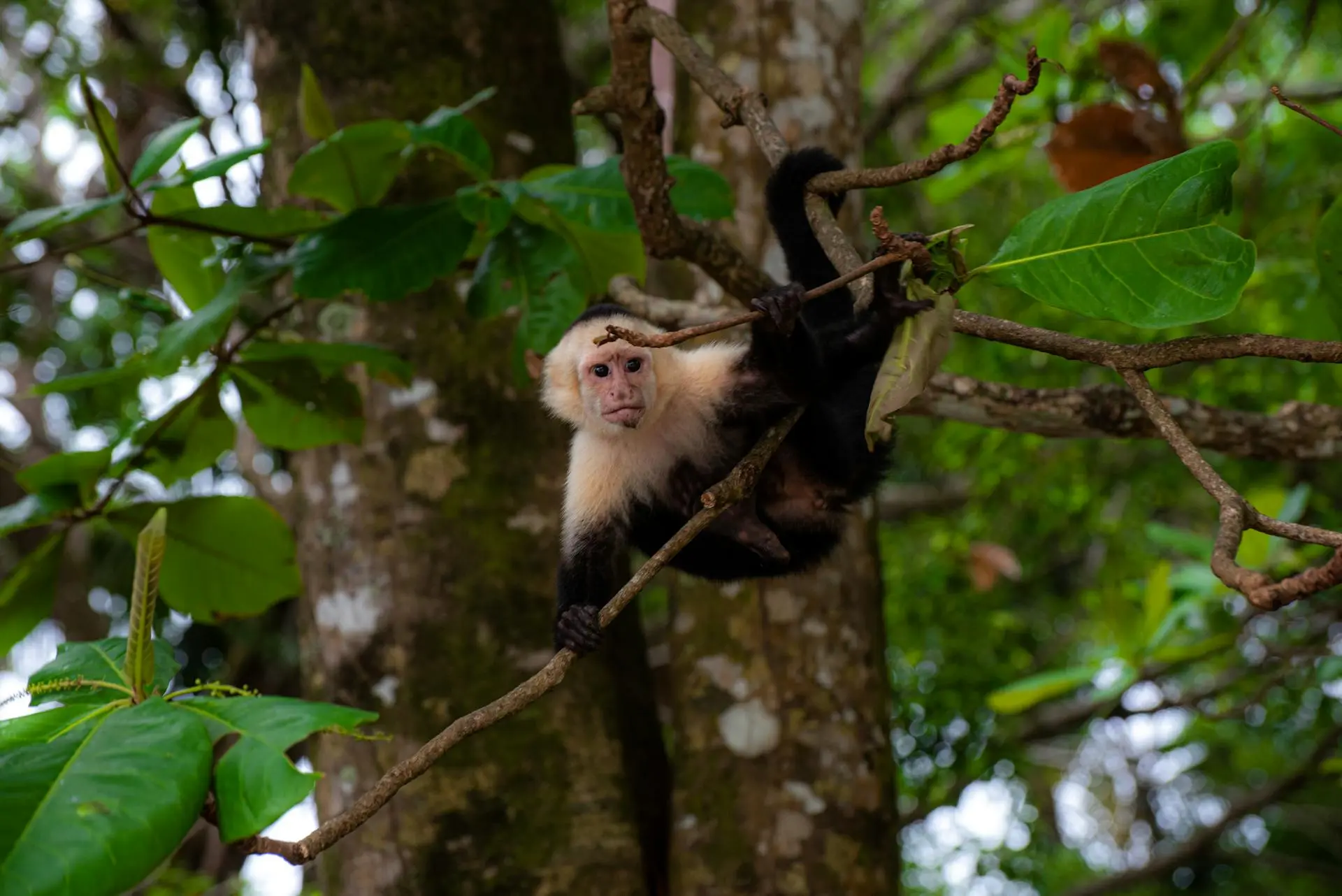
The green season keeps the forest vibrant and wildlife active. Sloths, monkeys, iguanas, and toucans are out on the mornings, and a guided national park tour early in the day is excellent. Birdwatching stays strong, and the veranillo's brighter mornings make for better photography.
Green-Season Rain and Summer Crowds in July
July's two planning factors are the rain, even with the veranillo, and the summer-holiday crowds. Neither is a reason to avoid the month, but both shape the trip.
Rain, Veranillo or Not
When the veranillo lands, July can feel almost dry; when it does not, the standard green-season pattern returns: bright mornings, afternoon storms. Either way, the safe plan is the same, front-load outdoor activities into the morning and keep the afternoon flexible. The rain-proof mangrove tour, chocolate tour, and night walk are the afternoon and evening fallbacks.
Summer Crowds
North American and European school holidays make July busier than May and June. The national park is more popular, and whale tours and top small-group experiences fill faster, so book those a little further ahead. Reserve your park ticket through SINAC once your dates are set, and remember the park is closed every Tuesday. Crowds and prices still sit comfortably below the dry-season and Semana Santa peaks.
Manuel Antonio Park Nature Guided Tour with a Nature Specialist
The activity we would book first in July, whatever the weather. A certified naturalist leads a small group along the park's flat, mostly paved main trail and finds the wildlife you would walk straight past on your own, from both species of sloth to capuchins, toucans and snakes, then sets up a spotting scope so everyone gets a clear look and a photo. At 4.8 stars across more than 4,300 reviews it is the highest-volume tour in the area, it suits every age and fitness level, and it ends at the park beaches where you can stay on afterward.
Book NowThe Best Activities in Manuel Antonio in July
Everything is open in July, and the veranillo widens the window for outdoor plans. The table below rates each activity for the month.
| Activity | July Rating | Best Time of Day | Notes |
|---|---|---|---|
| National Park Tour | 9/10 | Early morning | Lush and active; reserve SINAC ticket ahead in summer |
| Snorkeling & Sailing | 8/10 | Morning or afternoon | Clearer on veranillo days; chance of whales offshore |
| Birdwatching | 9/10 | Early morning | High green-season bird activity |
| Surf Lessons | 8/10 | Morning | Solid south swell; calmer at dawn |
| Mangrove Tour | 9/10 | Morning | Sheltered estuary; rain rarely a factor |
| Night Tour | 9/10 | Evening | Frogs and nocturnal wildlife at their most active |
| Waterfall Tours (Nauyaca) | 8/10 | Morning | Full water volume; greener, muddier trails |
| Naranjo River Rafting | 8/10 | Morning | Good green-season flow on the lower river |
| Ziplining | 8/10 | Morning | Runs rain or shine; canopy gives cover |
| Chocolate Tour | 8/10 | Afternoon | Covered; an easy rainy-afternoon pick |
| ATV Tour | 7/10 | Morning | Muddy and fun; go early before any rain |
| Horseback Riding | 7/10 | Morning | Greener trails; can be muddy |
Best in July
The national park tour, birdwatching, and the mangrove tour stay at green-season strength, and the night walk remains excellent. The new addition is whale watching, building offshore as the southern season opens, best pursued on a dedicated trip toward Marino Ballena or a sailing tour on a calm day.
Easy Picks When It Rains
On showery afternoons, the sheltered mangrove tour, the covered chocolate tour, and the evening night walk all run regardless of the weather.
More July Activities Worth Knowing About
These July-friendly experiences do not have their own dedicated guides on this site yet, but all are well established and suited to the month.
Marino Ballena and Uvita Whale Watching
About an hour south of Manuel Antonio, Marino Ballena National Park near Uvita is the central Pacific's prime whale-watching base. The southern humpback season generally opens in July, so a half-day boat trip becomes a worthwhile addition, often combined with the park's Whale's Tail sandbar at low tide. Sightings build through the season into the August-to-October peak.
Manuel Antonio Beaches (Espadilla and Biesanz)
Playa Espadilla and the sheltered Biesanz Bay are warm and inviting, and on veranillo days they get some of the best beach weather of the green season. Mornings are quietest; afternoons may bring cloud or a shower depending on the dry spell.
Rainmaker Conservation Park
Rainmaker is a private rainforest reserve inland from Quepos with hanging bridges, trails, and waterfalls. The green season keeps it lush and the waterfalls full, and the canopy offers cover from a passing shower. A quieter alternative to the national park.
Quepos and Marina Pez Vela
The marina is the departure point for whale-watching trips, sailing tours, and sportfishing, and its restaurants make an easy evening out. July is when the marina starts to feel a little livelier with summer-holiday visitors.
From Our Experience
What we consistently see is that July is the green-season month travelers are happiest they chose: the veranillo often hands them a run of sunny days the wet season is not supposed to have, and the whales returning give the trip a headline moment that May and June cannot. The catch is that the dry spell is a tendency, so we still plan mornings first.
Tips for Visiting Manuel Antonio in July
- Aim for mid-July if you want the veranillo: the dry spell most often settles in around the middle of the month, giving the best odds of sunny days, though its timing varies year to year.
- Add a whale-watching trip: the southern humpback season generally opens in July, so a half-day trip toward Marino Ballena, or a calm-day sailing tour, becomes worthwhile for the first time since winter.
- Still front-load your days: veranillo or not, mornings are the reliable window. Schedule the park, birding, waterfalls, and surf early and keep afternoons flexible.
- Book a little further ahead than in May or June: summer holidays lift demand, so reserve the park ticket, whale tours, and top small-group experiences earlier. The park is closed every Tuesday.
- Keep rain-proof options ready: the mangrove tour, chocolate tour, and night walk run regardless of the weather and cover any showery afternoon.
- Snorkel on the dry days: visibility is best during veranillo stretches when runoff eases, so be flexible with timing.
- Plan your transfer from San José around the morning: the drive is roughly 3 hours and easier before any afternoon rain. Our San José to Manuel Antonio guide covers private transfers, shuttles, and the public bus.
- Came from June, or considering it? Our Manuel Antonio in June guide covers the quieter, cheaper green-season month just before the veranillo and the whales arrive.
- Heading into August? Our Manuel Antonio in August guide covers humpback whale season in full swing, a lush forest, and quieter trails late in the month.
- Want the wider summer picture? Our Manuel Antonio in summer guide covers June through August, the veranillo, and which tours hold up best to afternoon rain.
- Planning around the seasons? Our Manuel Antonio rainy season guide covers the mid-season veranillo, which makes July drier than the months either side of it.
- Planning the whole year? See our complete guide to the best month to visit Manuel Antonio, with every month scored and compared.
How We Put This Guide Together
The Costa Rica Day Trip team built this guide from seasonal weather patterns, national park access rules, whale-season timing, operator availability windows, and verified traveler review patterns across every major Manuel Antonio activity category. July is the green season's brightest month, so we focused on the factors that genuinely change with it: the veranillo dry spell, the return of humpback whales, and the summer-holiday crowds. Ratings reflect documented seasonal conditions rather than a best-case picture. This guide was reviewed and updated in May 2026. Green-season conditions and the timing of the veranillo and whale sightings vary year to year, so we recommend confirming tour availability and whale-watching schedules close to your dates. Every activity linked here has its own dedicated guide with operator comparisons and real review data.
Frequently Asked Questions
Is Manuel Antonio good in July?+
Yes, and many travelers consider it the best of the green-season months. The veranillo dry spell often gives July the sunniest weather of the wet season, the forest stays lush and active, prices are still moderate, and humpback whales return to the coast. The tradeoffs are the summer-holiday crowds, which are heavier than May and June, and the veranillo's year-to-year variability.
What is the weather like in Manuel Antonio in July?+
July is warm and humid, with highs around 31°C (88°F) and lows near 23°C (73°F). It usually has less rain than June thanks to the veranillo, a mid-year dry spell that eases the afternoon storms for a stretch, often around mid-month. On veranillo days you get full sun; otherwise the standard green-season pattern of bright mornings and afternoon rain applies. The Pacific stays warm at 28 to 29°C.
Can you see whales in Manuel Antonio in July?+
Yes. July generally opens the southern-hemisphere humpback whale season on Costa Rica's central and south Pacific, the first whale window since the northern season ended in winter. Sightings build through the season toward an August-to-October peak. The prime base is Marino Ballena National Park near Uvita, about an hour south, where dedicated whale-watching trips run; some sailing tours near Quepos also begin to encounter them.
What is the veranillo in Manuel Antonio?+
The veranillo, also called the little summer or canícula, is a mid-year dry spell on Costa Rica's Pacific coast when the rains ease for a stretch, often around the middle of July. In most years it delivers a run of brighter, drier days unusual for the wet season, which makes July the green-season month with the best odds of sun. Its exact timing and strength vary year to year, so it is a strong tendency rather than a guarantee.
Is July expensive in Manuel Antonio?+
Moderately. Prices rise from the May and June green-season lows because of North American and European summer holidays, with mid-range hotels around $160 per night and a bit higher in peak summer weeks. Even so, July stays well below the dry-season and Semana Santa peaks. Tour prices are broadly stable year-round; book whale tours and small-group experiences a little further ahead than in the quietest months.
What is the best week to visit Manuel Antonio in July?+
Mid-July is the sweet spot for weather, since the veranillo dry spell most often settles in around the middle of the month, and the whale season is underway. It is also the busiest stretch due to summer holidays. If you prefer fewer people, early July is slightly quieter while still offering good green-season conditions and the start of whale watching.
What activities are best in Manuel Antonio in July?+
The guided national park tour, birdwatching, the Damas Island mangrove tour, and the night walk are all at green-season strength, and surf lessons benefit from a solid south swell. The standout addition is whale watching as the southern season opens, best on a dedicated trip toward Marino Ballena. For showery afternoons, the mangrove tour, chocolate tour, and night walk run regardless of the weather.
Does it rain a lot in Manuel Antonio in July?+
Usually less than the surrounding green-season months, thanks to the veranillo. July averages around 15 rainy days, and on veranillo stretches you can get several full sunny days in a row. When the dry spell is weak, the standard pattern returns: bright mornings and afternoon storms. Either way, planning outdoor activities for the morning keeps the rain from affecting your day.
Affiliate note: Some links on this page are affiliate links. If you book through them, we may earn a small commission at no additional cost to you.