Summer in Manuel Antonio is green season: the rainforest at its most alive, thinner crowds, lower lodging prices, and a sunny mid-year dry spell in July, balanced against warm humidity and afternoon rain. Here is what to actually expect.
What You Should Know
- For North American and European travelers, 'summer' means June through August. In Costa Rica's central Pacific that is green season (locals call the December to April dry season 'verano'), so expect a lush rainforest, sunny mornings, and afternoon rain rather than all-day sun.
- Many years bring a 'veranillo' (little summer): a mini dry spell of reduced rain that often lands in July. It is not guaranteed, but July frequently delivers the driest, brightest weather of the summer window on the Pacific coast.
- Manuel Antonio National Park is closed every Tuesday. Entrance is about $20 per person and must be reserved online through the SINAC system (acceso.sinac.go.cr); the daily cap of 600 visitors sells out ahead in busy weeks, so book your ticket as soon as your dates are set.
- Summer is one of the better-value windows of the year: lodging rates run lower than the December to April peak, crowds are thinner, and wildlife is active. The tradeoffs are humidity and afternoon downpours, heaviest as the season moves toward September and October.
Manuel Antonio in Summer: The Honest Picture
⭐ Best summer month for Manuel Antonio: July. The veranillo dry spell often brings the brightest skies of the summer window, wildlife is active, and lodging still sits below dry-season peak rates.
Yes, Manuel Antonio is a good place to visit in summer, as long as you understand what summer here actually is. June through August falls in Costa Rica's green season, when the central Pacific rainforest is at its lushest, the wildlife is active, crowds are thinner than the December to April peak, and lodging prices are lower. The tradeoff is humidity and afternoon rain, which are real features of the season rather than minor footnotes.
The terminology trips up a lot of travelers. In Costa Rica, locals call the dry season (December through April) "verano," which translates literally to summer. But when an English-speaking visitor searches for "Manuel Antonio in summer," they almost always mean their own calendar summer: June, July, and August. Those months are green season on this coast. The good news is that green season in Manuel Antonio is far more forgiving than the label suggests, especially in June and July.
In our view, summer is underrated for Manuel Antonio if you plan around the rhythm of the day rather than the postcard version. Mornings are typically bright and the best window for the national park, beaches, and outdoor tours. Rain tends to arrive in the afternoon, often as a heavy but short tropical downpour, and many of the area's best tours (mangroves, night walks, ziplining) are unaffected by it. This guide covers what the weather is really like month by month, what the national park and beaches are like in green season, the full list of summer activities and how each holds up to the rain, and how prices and crowds compare to the rest of the year.
Why Green Season Is the Quiet Highlight of Summer
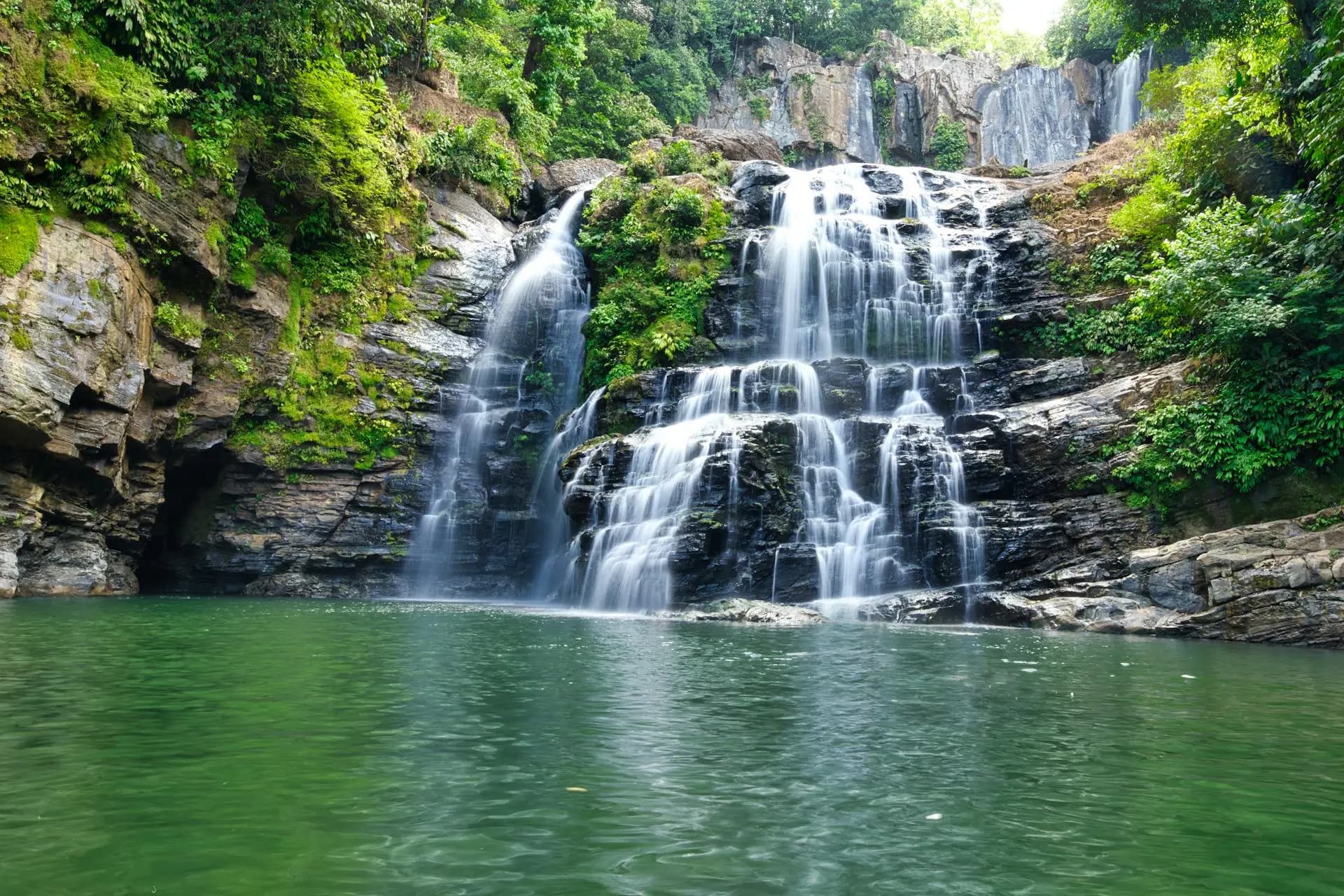
The strongest argument for visiting Manuel Antonio in summer is the green season itself. Once the rains return in May, the forest transforms: dry-season brown gives way to dense, saturated green, rivers and waterfalls run full, and amphibian and bird activity picks up noticeably. For a destination whose entire appeal is rainforest and wildlife, this is the forest at its most photogenic and most alive.
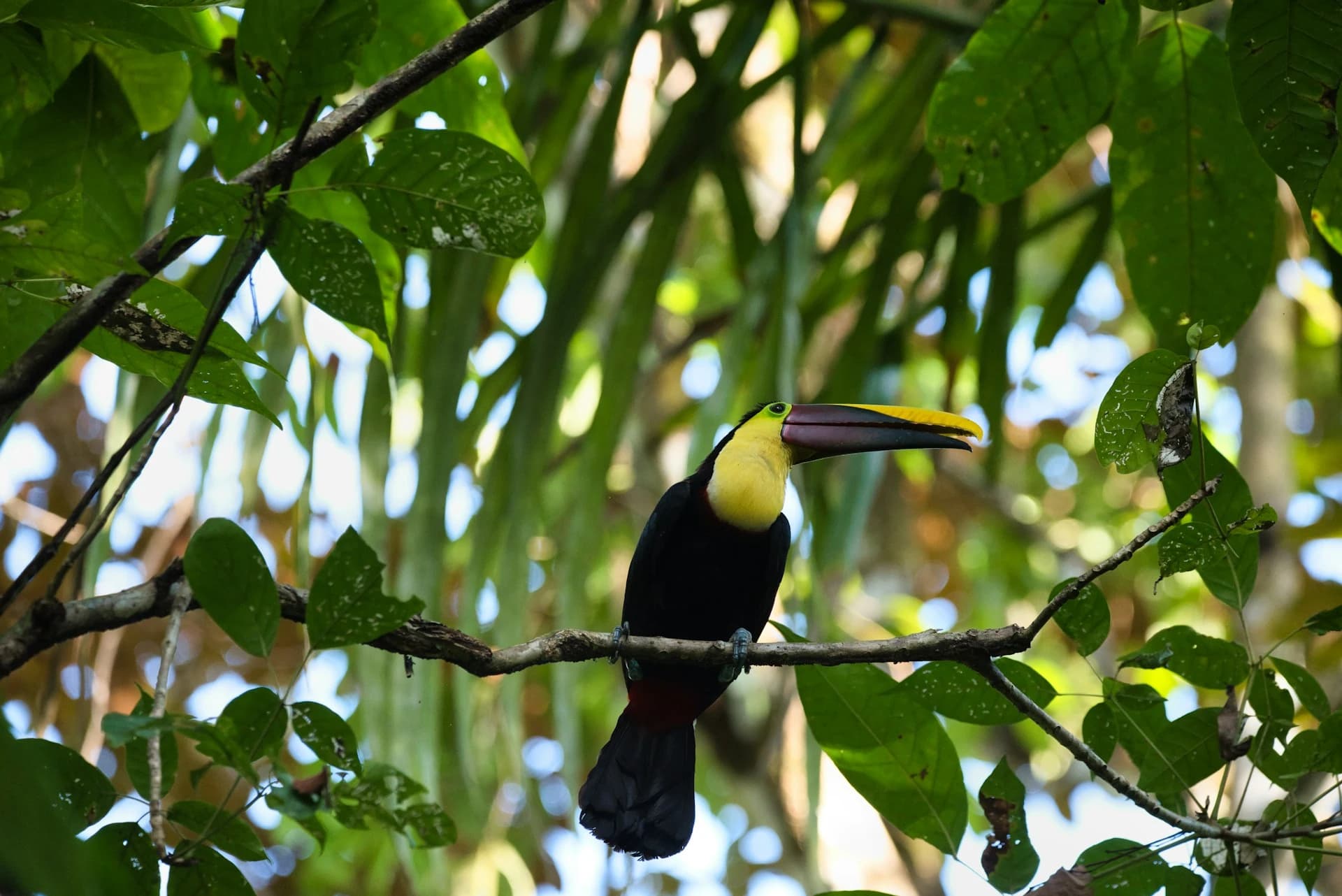
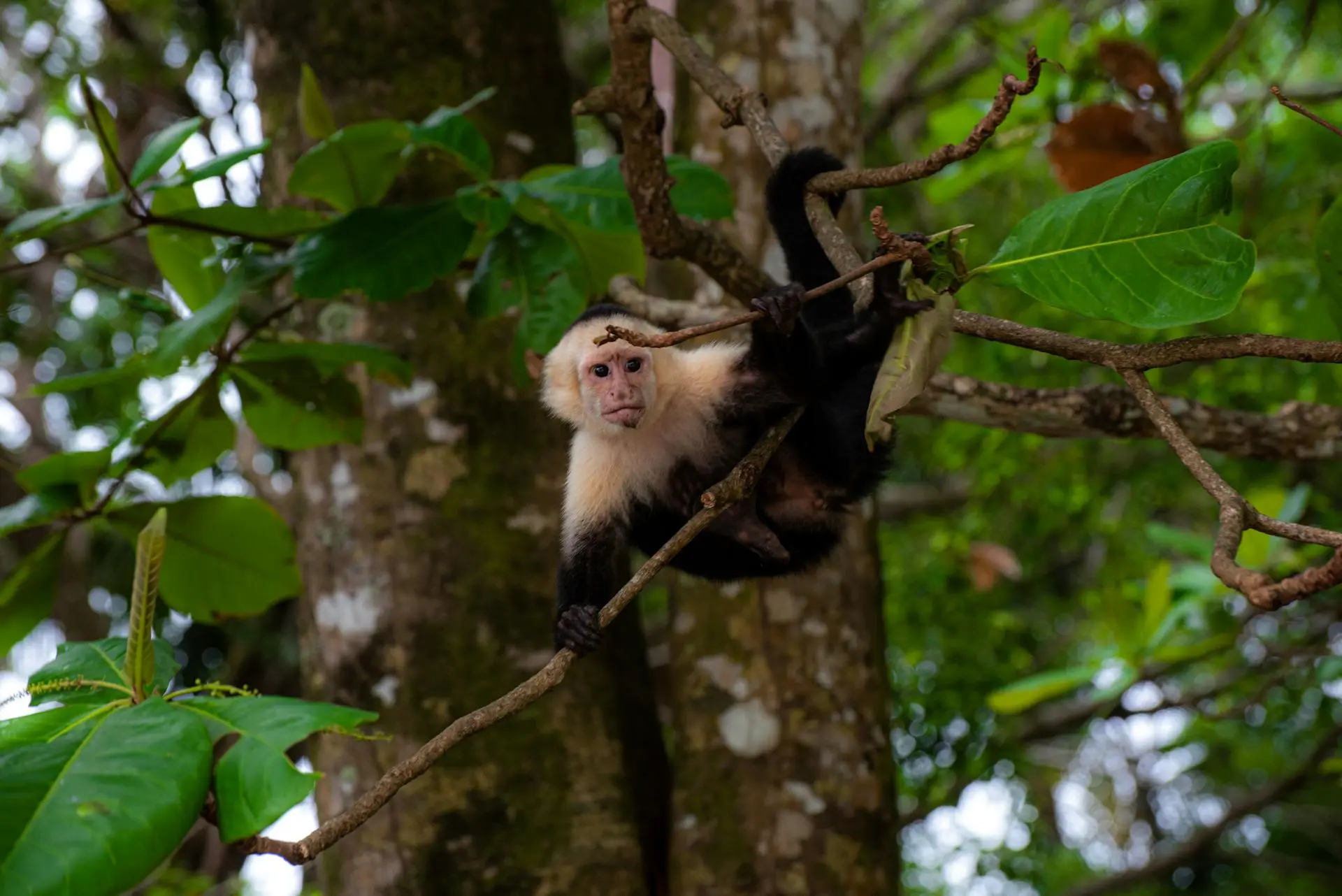
Wildlife does not leave in the wet months. The sloths, white-faced capuchin and squirrel monkeys, iguanas, and birds that make a guided national park tour worthwhile are present year-round, and many species are more active in green season. Bird activity in particular peaks during these months, which is why birdwatching tours hold up well in summer. Night tours also come into their own: frogs, insects, and nocturnal mammals are most active in the humid months, and the guided night walk runs regardless of daytime weather.
The second argument is value and space. Summer crowds are lighter than the December to April high season, the national park's main trail is quieter outside the busiest July weeks, and lodging rates are meaningfully lower. The combination of fewer people, lower prices, and a forest in full leaf is the trade you make in exchange for accepting some afternoon rain. For many travelers, that is a trade worth making.
Manuel Antonio Weather in Summer: June, July, and August
Temperature and Humidity
Manuel Antonio is warm and humid year-round, and summer is no exception. Daytime highs typically sit between 30 and 32°C (86 to 90°F), with overnight lows around 23 to 24°C (73 to 75°F). The bigger factor than raw temperature is humidity, which is high through the green season and makes the air feel warmer and heavier than the number suggests. Mornings are the most comfortable window for outdoor activity; by early afternoon the combination of heat, humidity, and sun is draining. Any outdoor tour works better starting early.
The Pacific stays warm, around 28 to 29°C (82 to 84°F), so swimming and water activities are comfortable throughout summer.
Rain and the July Veranillo
Afternoon rain is the defining feature of green season. A typical summer day starts bright and clouds build through midday, with showers or a heavier downpour arriving from roughly early afternoon onward. Most rain is concentrated in the afternoon and evening and often clears, rather than setting in for the whole day. June and July are moderate; the rain becomes heavier and more persistent as the season moves toward September and October.
July often brings the "veranillo," sometimes called the little summer or canícula: a mid-green-season dry spell when the rains ease for a stretch of days or weeks. It is a regional pattern rather than a guarantee, and its timing shifts year to year, but it is the reason July frequently delivers the brightest weather of the summer window on this coast.
Average Rainfall by Month
The figures below are approximate long-term averages for the Quepos and Manuel Antonio area on Costa Rica's central Pacific (historical climate data via Costa Rica's Instituto Meteorológico Nacional). Totals vary year to year, and the high rainy-day counts reflect that most days see some rain, usually a concentrated afternoon downpour rather than all-day rain.
| Month | Avg Rainfall | Rainy Days | Notes |
|---|---|---|---|
| June | ~300 mm (12 in) | ~23 | Green season established; mostly afternoon rain |
| July | ~255 mm (10 in) | ~21 | Often the driest summer month (veranillo) |
| August | ~320 mm (13 in) | ~24 | Rain building again toward late season |
| September | ~450 mm (18 in) | ~26 | Start of the wettest stretch of the year |
For comparison, the December to April dry season averages well under 100 mm in its driest months, which is the gap that defines the two seasons here.
What This Means for Planning
Front-load each day. Schedule the national park, beaches, snorkeling, rafting, and other outdoor activities for the morning, and keep the afternoon flexible for rain. Tours that run rain or shine (mangroves, night walks, ziplining, chocolate and cooking experiences) are the natural choices for the afternoon. Pack a lightweight rain layer and quick-dry clothing rather than planning around staying dry all day.
| Month | Weather | Rain | Crowds | Prices | Best For |
|---|---|---|---|---|---|
| June | Warm, humid, lush | Moderate afternoons | Light | Lower | Value + green-season scenery |
| July | Often brightest (veranillo) | Often eases mid-month | Moderate (summer holidays) | Moderate | Best overall summer month |
| August | Warm, humid, green | Building again | Light to moderate | Lower | Wildlife + quieter trails |
| September | Wettest stretch begins | Heaviest | Lightest | Lowest | Budget travelers with flexibility |
Summer vs Dry Season in Manuel Antonio: Which Is Better?
The best time to visit Manuel Antonio depends entirely on what you want from the trip. Neither season is objectively better; they are different trades. Summer (the May to November green season) gives you a lush forest, active wildlife, lower prices, and thinner crowds in exchange for afternoon rain and higher humidity. The dry season (December to April, which locals call "verano") gives you reliable sun, the clearest ocean visibility, and the easiest logistics in exchange for peak prices and the busiest trails of the year.
| Factor | Summer / Green Season (Jun–Aug) | Dry Season (Dec–Apr) |
|---|---|---|
| Weather | Bright mornings, afternoon rain; July often driest | Reliable sun most of the day |
| Crowds | Thinner (busier in July holidays) | Peak crowds; park cap fills daily |
| Prices | Lower lodging rates | Highest rates of the year |
| Forest & wildlife | Lush; bird and amphibian activity peaks | Drier, thinner foliage; wildlife still active |
| Snorkeling visibility | Reduced after rain (river runoff) | Clearest water of the year |
| Surfing | Bigger south swells; better for intermediates | Cleaner, calmer beginner conditions |
| Trails | Greener but muddier | Dry and firm underfoot |
| Best for | Value, wildlife, fewer people | Beach, snorkeling, guaranteed sun |
So When Should You Go?
If your priority is guaranteed sun, the clearest water for snorkeling, and a pure beach trip, the dry season (especially January through March) is the safer bet, and you accept higher prices and bigger crowds for it. If your priority is the rainforest at its most alive, lower costs, and fewer people, summer green season is genuinely excellent, and July is the standout month thanks to the veranillo. The wildlife that draws most people to Manuel Antonio is present and active in both seasons, so for a national-park-and-tours trip rather than a beach-only trip, summer rarely disappoints. The months we would think hardest about are September and October, the wettest of the year; the prices are the lowest you will find, but the rain is heaviest and least predictable.
The National Park and Beaches in Summer
Manuel Antonio National Park is the centerpiece of any trip, and it operates throughout green season. The practical rules matter more than the weather here: the park is closed every Tuesday, entrance is about $20 per person reserved in advance through the SINAC online system, and a daily cap of 600 visitors limits access in the busiest weeks. A guided park tour is the difference between walking past wildlife and actually seeing it; the guides carry scopes and know where the sloths and birds are. Morning entry (the park opens around 7am) is best in summer for two reasons: wildlife is most active at dawn, and you are walking the trails before the afternoon rain arrives.
What Green Season Does to the Trails
Summer trails are greener and can be muddy, especially after a heavy afternoon downpour the day before. Closed-toe shoes with grip are worth more than sandals in these months. The upside is a fuller, more atmospheric forest and, outside peak July weeks, a quieter main trail than you would find in the December to April high season.
Beaches in Summer
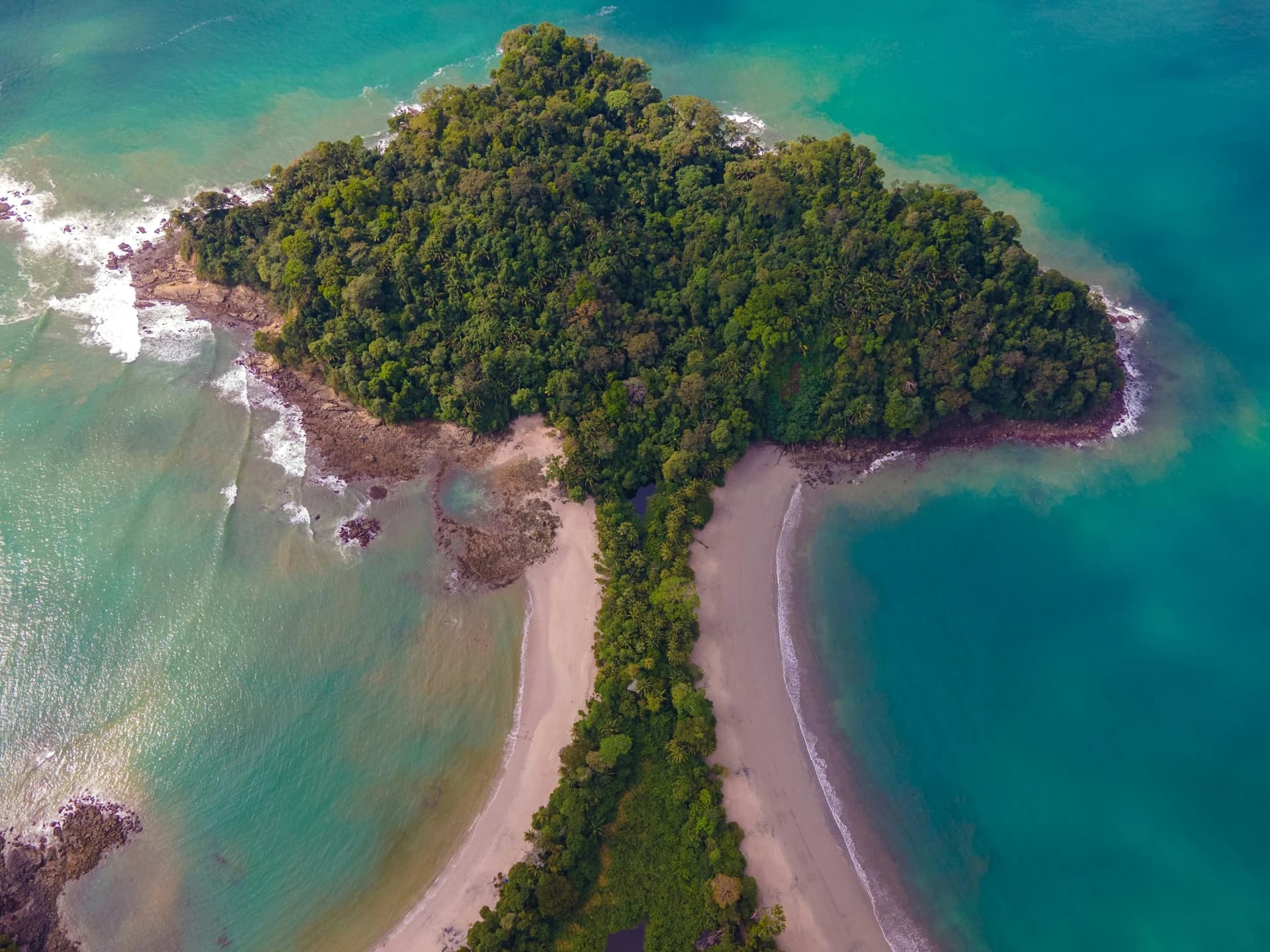
Playa Manuel Antonio inside the park and Playa Espadilla just outside it are swimmable and warm through summer. Mornings are calmer and brighter; afternoons bring more cloud and the chance of rain. For snorkeling, manage expectations in green season: Biesanz Bay is the most sheltered local spot, but visibility is best in the December to March dry season, and summer river runoff after heavy rain can cloud the water. Our Manuel Antonio snorkeling guide covers when it is worth doing and when to skip it. If you surf, green season brings larger south and southwest swells that suit intermediate surfers, while beginners still get good morning sessions before the wind and rain build; see our surf lessons guide for the details.
Manuel Antonio Park Nature Guided Tour with a Nature Specialist
The activity we would book first in the green summer months, rain or shine. A certified naturalist leads a small group along the park's flat, mostly paved main trail and finds the wildlife you would walk straight past on your own, from both species of sloth to capuchins, toucans and snakes, then sets up a spotting scope so everyone gets a clear look and a photo. At 4.8 stars across more than 4,300 reviews it is the highest-volume tour in the area, it suits every age and fitness level, and it ends at the park beaches where you can stay on afterward.
Book NowThe Best Activities in Manuel Antonio This Summer
The full Manuel Antonio activity calendar is open in summer. The key variable is how each experience handles afternoon rain, so the table below rates each one for the green season and notes the best time of day to do it.
| Activity | Summer Rating | Best Time of Day | Notes |
|---|---|---|---|
| National Park Tour | 10/10 | Early morning | Closed Tuesdays; reserve SINAC ticket ahead |
| Birdwatching | 9/10 | Early morning | Bird activity peaks in green season |
| Night Tour | 9/10 | Evening | Frogs and nocturnal wildlife most active when humid |
| Mangrove Tour | 9/10 | Morning | Sheltered estuary; unaffected by rain |
| Ziplining | 8/10 | Morning | Runs rain or shine; forest canopy gives cover |
| Waterfall Tours | 8/10 | Morning | Falls run full in green season; trails muddier |
| Naranjo River Rafting | 8/10 | Morning | Higher water levels; book ahead |
| Chocolate Tour | 8/10 | Afternoon | Mostly covered; good rainy-afternoon pick |
| Cooking Class | 8/10 | Afternoon | Indoors; reliable regardless of weather |
| Horseback Riding | 7/10 | Morning | Best before afternoon rain; trails can be muddy |
| ATV Tour | 7/10 | Morning | Muddy and fun in green season; go early |
| Surf Lessons | 7/10 | Morning | Bigger green-season swells; calmer at dawn |
| Snorkeling | 6/10 | Morning | Runoff can cloud water; best on dry stretches |
Best Bets When It Rains
- Damas Island Mangrove Tour: The sheltered estuary is unaffected by rain, and overcast, humid conditions often bring wildlife (crocodiles, monkeys, herons, kingfishers) into easier view. One of the most weather-proof half-days in the area.
- Guided Night Walk: Runs after dark regardless of the day's weather, and the humid green-season air is exactly when frogs and nocturnal species are most active.
- Chocolate Tour and Cooking Class: Mostly covered or indoors, both make excellent rainy-afternoon plans without giving up the local, hands-on experience.
Best in the Morning Sun
- National Park Tour: The single best use of a bright summer morning. Wildlife is active at dawn and you finish before the afternoon rain. Reserve the SINAC ticket as soon as your date is fixed and remember the park is closed Tuesdays.
- Waterfall Tours: Falls are at their fullest in green season. Trails are muddier, so grip matters, but the payoff is bigger water and lush surroundings.
- Ziplining: The canopy provides natural cover, and guests who ride through light green-season rain consistently describe it as atmospheric rather than unpleasant.
Is Manuel Antonio Cheaper in Summer? Prices and Crowds
Summer sits in the value half of the Manuel Antonio calendar. Green season (May through November) runs below the December to April dry-season peak for lodging, and June, August, and September are among the quieter, lower-priced stretches of the year. The forest is at its most lush during exactly the months when fewer people are visiting, which is the core appeal of traveling here in summer.
Where July Is the Exception
July is the one summer month that bucks the quiet-season pattern. North American and European school holidays push family travel into July, and the veranillo dry spell makes it an attractive window, so the national park's main trail and the best-rated tours fill faster than in June or August. If your dates land in July, book the national park ticket and any small-group tours earlier than you would otherwise.
Tour Pricing
Tour prices for most Manuel Antonio activities stay broadly consistent year-round; the savings in summer come primarily from lodging, not from tour costs. The practical advantage in green season is availability: outside peak July weeks, it is easier to get a spot on a top-rated tour a few days out than during the December to April high season. Even so, the most popular options (the guided park tour, rafting, and the waterfall trips) are worth booking 2 to 3 days ahead, and earlier in July.
From Our Experience
What we consistently see is that travelers who treat mornings as their main event and leave afternoons loose have a far better green-season trip than those who pack tours into the afternoon. The weather rewards an early start, and the area has enough rain-proof options that a wet afternoon never has to mean a wasted one.
Tips for Visiting Manuel Antonio in Summer
- Reserve your national park ticket as soon as your dates are set: Entry is capped at 600 visitors per day and sold only through the SINAC online system, and the park is closed every Tuesday. In July especially, the cap is a real constraint. Book the ticket first, then build the rest of the trip around it.
- Do outdoor activities in the morning: The national park, beaches, rafting, waterfalls, and ATV tours are all better before the afternoon rain. Aim for the earliest departure available; mornings are brighter, cooler, and the wildlife is most active at dawn.
- Keep afternoons flexible and rain-proof: Mangrove tours, night walks, chocolate tours, and cooking classes all run rain or shine. Slotting these into the afternoon means an afternoon downpour costs you nothing.
- Pack for humidity and rain, not just heat: A lightweight rain shell, quick-dry clothing, and closed-toe shoes with grip handle green season far better than beachwear alone. Trails get muddy after heavy rain.
- Manage snorkeling expectations: Visibility is a dry-season strength. In summer, river runoff after heavy rain can cloud the water, so treat snorkeling as a nice-if-conditions-allow add-on rather than a centerpiece. See our snorkeling guide for the conditions to look for.
- Travel insurance is worth more in late summer: September and October are the wettest months on this coast, and heavy rain can occasionally affect river crossings and road conditions. If you are traveling late in the season with no flexibility, a policy covering trip disruption is worth the cost.
- Plan your transfer from San José around the weather: The drive from the capital is roughly 3 hours, and afternoon rain can slow the mountain and coastal stretches. Our San José to Manuel Antonio guide covers private transfers, shared shuttles, and the public bus.
- Want the full activity list? Our things to do in Manuel Antonio guide compares every major activity and tour with real review data, so you can match the right experiences to your dates.
How We Put This Guide Together
The Costa Rica Day Trip team built this guide from seasonal weather patterns, national park access rules, operator availability windows, and verified traveler review patterns across every major Manuel Antonio activity category. Green season is the most condition-dependent time to visit, so we prioritized accuracy over a best-case picture: every claim about rain, the veranillo, crowds, and seasonal timing reflects documented patterns rather than the sunniest version of events. This guide was reviewed and updated in May 2026. Green-season conditions vary year to year, and the veranillo dry spell shifts in timing and length, so we recommend confirming tour availability and your national park ticket in the weeks before your trip. Every activity linked here has its own dedicated guide with operator comparisons and real review data.
Frequently Asked Questions
Is Manuel Antonio good to visit in summer?+
Yes, with the right expectations. June through August is green season on Costa Rica's central Pacific, meaning a lush rainforest, active wildlife, thinner crowds, and lower lodging prices than the December to April peak. The tradeoff is humidity and afternoon rain. Mornings are usually bright and best for the national park and outdoor tours, while many other tours run rain or shine. July often brings the veranillo, a mid-season dry spell that makes it the brightest summer month.
What is the weather like in Manuel Antonio in July?+
July is green season but often the driest, brightest summer month thanks to the veranillo (little summer), a mid-year dry spell when rains ease for a stretch. Daytime highs sit around 30 to 32°C (86 to 90°F) with high humidity, and the sea stays warm at about 28 to 29°C. Mornings are typically clear; any rain tends to come in the afternoon. The veranillo's timing varies year to year, so it is a strong pattern rather than a guarantee.
Does it rain all day in Manuel Antonio in summer?+
No. In June, July, and August, days usually start bright, clouds build through midday, and showers or a heavier downpour arrive from early afternoon onward, often clearing rather than lasting all day. Rain becomes heavier and more persistent later in the season, in September and October. Planning outdoor activities for the morning and keeping afternoons flexible is the key to a good green-season trip.
Is Manuel Antonio National Park open in summer?+
Yes. The park operates throughout green season, but it is closed every Tuesday year-round. Entrance is about $20 per person and must be reserved in advance through the SINAC online system, with a daily cap of 600 visitors that fills up in busy weeks, particularly in July. Morning entry is best in summer: wildlife is most active at dawn and you finish the trails before the afternoon rain.
Is Manuel Antonio cheaper in summer?+
Generally yes. Green season lodging runs below the December to April dry-season peak, and June, August, and September are among the quieter, lower-priced stretches of the year. July is the exception: North American and European school holidays and the veranillo dry spell push demand up, so the national park and top tours fill faster. Tour prices themselves stay broadly consistent year-round; the savings come mainly from accommodation.
What is the best thing to do in Manuel Antonio when it rains?+
The Damas Island mangrove tour, the guided night walk, and indoor or covered experiences like chocolate tours and cooking classes all run rain or shine. The sheltered mangrove estuary is unaffected by rain, and overcast, humid conditions often bring wildlife into easier view. Night tours actually benefit from green-season humidity, when frogs and nocturnal species are most active.
When is the best time to visit Manuel Antonio?+
It depends on your priorities. The December to April dry season gives the most reliable sun, the clearest snorkeling visibility, and the best pure-beach conditions, at peak prices and with the biggest crowds. The May to November green season (which includes the June to August summer window) gives a lush forest, peak wildlife activity, lower prices, and thinner crowds, in exchange for afternoon rain. For a wildlife-and-tours trip rather than a beach-only trip, both seasons work well; July is the standout summer month thanks to the veranillo dry spell, while September and October are the wettest.
Can you see wildlife in Manuel Antonio in the green season?+
Yes, and arguably more than in dry season. Sloths, white-faced capuchin and squirrel monkeys, iguanas, and birds are present year-round, and many species are more active in the humid green-season months. Bird activity peaks in summer, and nocturnal wildlife is at its most active at night. A guided national park, birdwatching, or night tour is the best way to actually spot it.
Affiliate note: Some links on this page are affiliate links. If you book through them, we may earn a small commission at no additional cost to you.