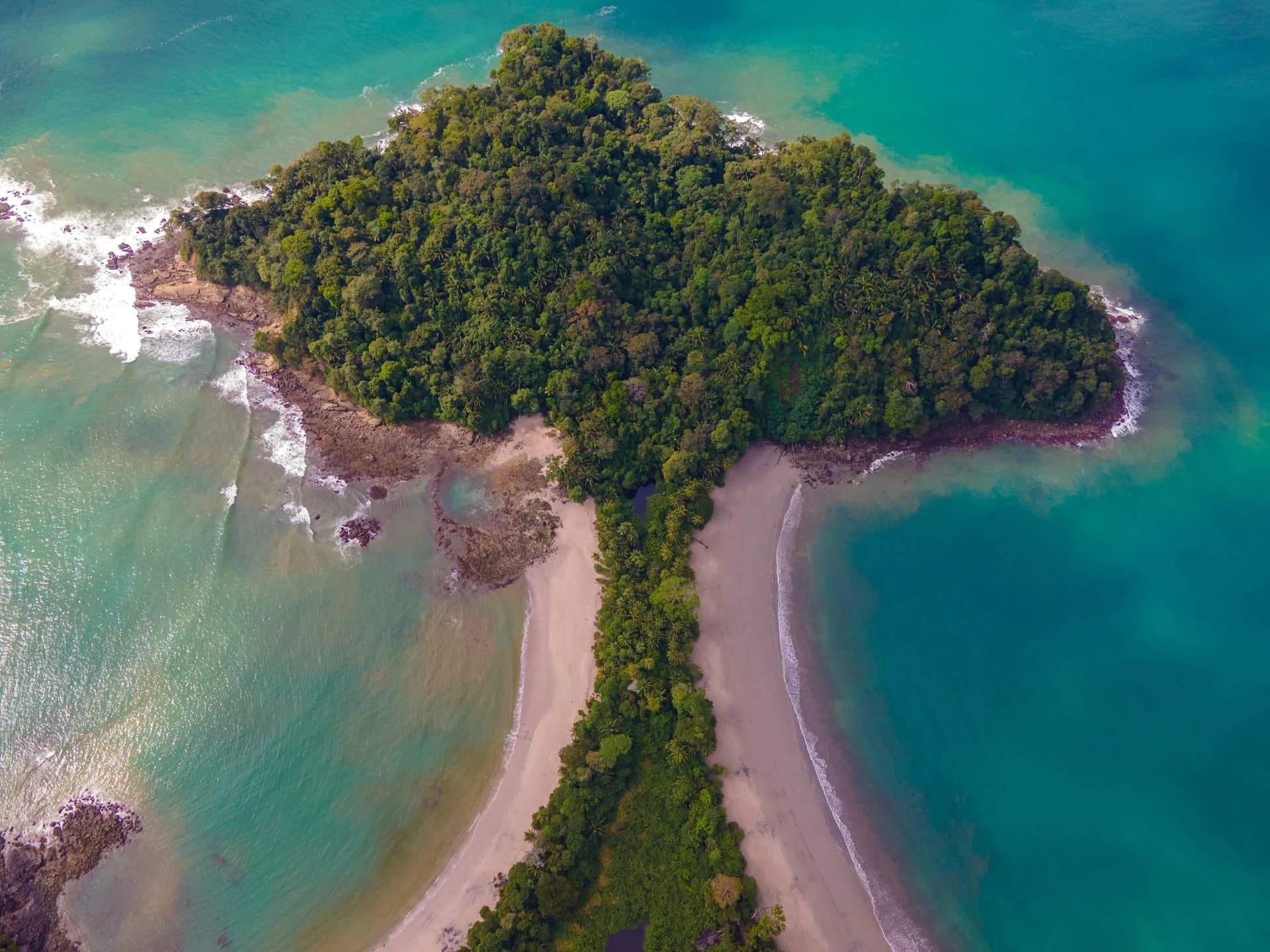
January is peak dry season in Manuel Antonio: the sunniest, driest weather of the year, the clearest water for snorkeling, and passing humpback whales, set against the highest crowds and prices on the calendar. Here is what to expect and how to plan around it.
What You Should Know
- January is peak dry season in Manuel Antonio: the driest, sunniest weather of the year, the best snorkeling visibility, and the clearest national park days, paired with the highest crowds and prices of the calendar.
- Book early. The national park caps entry at 600 visitors per day through the SINAC system, and top-rated tours sell out weeks ahead in January; reserve the park ticket and any small-group tours before you arrive.
- The main tradeoff is cost and company: hotels, tours, and the park are at their busiest and priciest, and the stretch from late December through about January 5 is the single most crowded and expensive window of the year.
- A non-obvious bonus: northern humpback whales pass the central Pacific roughly December through February, so January boat and sailing tours carry a chance of a whale sighting that the green-season months do not.
Manuel Antonio in January: The Honest Picture
⭐ Best January window: the second half of the month (about January 8 to 31). New Year crowds and peak holiday rates have eased, the weather is at its driest and sunniest, and the national park is calmer than during the holiday week.
| Factor | January Rating |
|---|---|
| Weather | 10/10: driest, sunniest month |
| Crowds | 3/10: busiest month of the year |
| Prices | 2/10: peak-season rates |
| Wildlife & National Park | 9/10: dry trails, active mornings |
| Snorkeling | 9/10: best visibility of the year |
| Surf | 6/10: smaller, cleaner swell; beginner-friendly |
| Rain | 10/10: essentially dry |
| Families | 9/10: easy conditions, everything open |
| Couples | 9/10: sunny beaches and sunset sails |
💰 Average January hotel prices (Manuel Antonio/Quepos, mid-range):
New Year week (through ~Jan 5): ~$300/night · Rest of January: ~$190/night
Rough mid-range estimates; rates vary by property and booking lead time.
January is the best month of the year to visit Manuel Antonio for weather, and the most expensive and crowded. This is the heart of the Pacific dry season: sunny days, the lowest rainfall of the year, dry and firm trails, and the clearest ocean water for snorkeling. If your priority is reliable sun and easy conditions, January delivers like no other month. The catch is that everyone else knows it too.
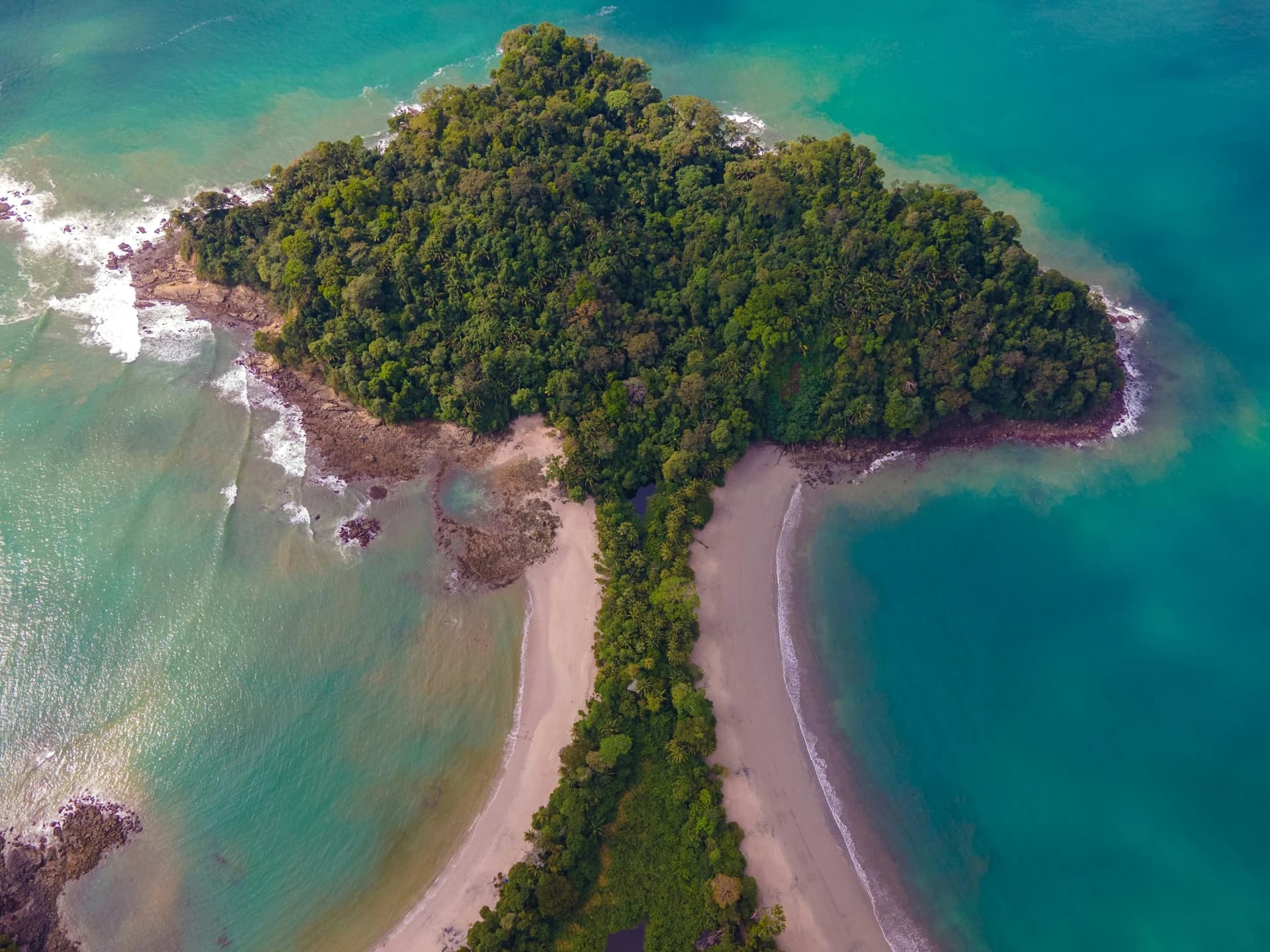
Visiting Manuel Antonio in January means trading money and elbow room for near-guaranteed weather. Hotel rates sit at their annual peak, the national park reaches its 600-person daily cap on the busiest days, and the beaches and main trail are at their most crowded. In return you get the postcard version of Costa Rica's central Pacific: green forest meeting white-sand beaches under blue skies, with wildlife easy to spot on dry-season mornings.
We'd lean toward January for first-time visitors, families, and anyone who wants to build a trip around the beach and the national park without weather risk. The honest tradeoff is that you pay peak prices and share the park with more people; if value and quiet matter more than guaranteed sun, the green-season months are gentler on both. This guide covers the weather week by week, what the dry season does for wildlife and snorkeling, the humpback whales that pass in January, the activities that shine this month, and how to handle the peak-season booking crunch.
Who January suits best:
- First-time visitors: the most reliable weather of the year makes January the safest month to see Manuel Antonio at its best, with little risk of a washed-out day.
- Beach trips: warm, calm, clear water and dependable sun are exactly what a beach-focused trip wants, and snorkeling visibility is at its annual peak.
- Budget travelers: less ideal. January sits at the year's highest rates; the green-season months are far gentler on cost for the same wildlife.
- Quiet vacations: less ideal. This is the busiest month of the year, with the national park near its daily cap and beaches and trails at their fullest.
Manuel Antonio Weather in January
| Metric | January |
|---|---|
| Avg High | 31°C (88°F) |
| Avg Low | 23°C (73°F) |
| Water Temp | 28–29°C (82–84°F) |
| Rain Days | ~5 |
| Humidity | Moderate |
| Wind | Low to moderate |
| Rain Level | Low (peak dry season) |
Temperature and Humidity
January sits in the middle of the dry season, with daytime highs around 31°C (88°F) and overnight lows near 23°C (73°F). Humidity is moderate, noticeably lower than the green-season months, which makes the heat more comfortable than the raw number suggests. Mornings are bright and pleasant; midday sun is strong, so the middle of the day is best spent in the water or in shade. This close to the equator the sun is intense year-round, so reef-safe sunscreen and water matter even on a mild January day.
Rain Pattern
January is one of the driest months of the year on the central Pacific. Rain is infrequent, and when it comes it is usually brief. Most days are fully dry from morning to night, the opposite of the green-season pattern of afternoon downpours. This is why January is the easiest month to plan a packed itinerary: you rarely have to work around the weather.
Sea and Outdoor Conditions
The Pacific is warm at 28 to 29°C (82 to 84°F), and the dry season brings the clearest water of the year, which is why snorkeling visibility peaks from December through March. Surf is generally smaller and cleaner than in green season, which suits beginners taking morning lessons. Trails in the national park and on waterfall and zipline tours are dry and firm rather than muddy, making the hiking easier underfoot.
Manuel Antonio in January: Crowds and Prices
January is the most expensive and most crowded month in Manuel Antonio, but it is not uniform; the experience changes a lot from the first week to the last.
- January 1 to 5 (New Year peak): The single busiest and priciest stretch of the year, overlapping the Christmas and New Year holiday. Hotels book out months ahead, the national park fills to its cap daily, and restaurants and tours run at capacity. Reserve everything well in advance, or avoid this window entirely.
- January 6 to 15 (post-holiday high): Crowds ease as holiday travelers head home, but this is still firmly peak season with high rates and a busy park. A good balance of excellent weather and slightly more breathing room.
- January 16 to 31 (peak season settled): The most comfortable part of the month. Weather is at its driest and sunniest, rates remain high but below the holiday peak, and the park, while busy, is more manageable, especially on early-morning entries.
Expect mid-range Manuel Antonio hotels to run around $300 per night during the New Year week and roughly $190 per night through the rest of January, with beachfront and boutique properties well above that. Tour prices are broadly stable year-round; the peak-season premium shows up in lodging and availability, not in tour rates. The savings lever in January is timing within the month, not the tours you choose.
Is January the Best Time to Visit Manuel Antonio?
January is one of the best months to visit Manuel Antonio, and for pure weather it is hard to beat. Whether it is the single best month depends on how you weigh sunshine against crowds and cost. The dry season runs December through April, and the months sit close together on weather but spread out on crowds and price.
January vs Other Months (Dry Season)
| Month | Weather | Crowds | Prices | Overall |
|---|---|---|---|---|
| December | 9/10: dry season begins | 3/10: holiday surge late month | 2/10: Christmas/New Year peak | Excellent weather, holiday crush late in the month |
| January | 10/10: driest, sunniest | 3/10: busiest month | 2/10: peak rates | Peak conditions at peak cost |
| February | 10/10: dry, sunny, low humidity | 4/10: busy but post-holiday | 3/10: high | Best all-around month for most travelers |
| March | 9/10: hot and reliably dry | 4/10: busy | 3/10: high | Hot, dry, dependable sun |
| April | 8/10: hottest; first rains possible late | 6/10: eases after Semana Santa | 5/10: shoulder begins | Dry-season value as crowds thin |
January vs February
This is the closest call of the dry season. The weather is nearly identical: both months are sunny, dry, and warm. The difference is the crowd. January carries the tail of the holiday season, while February sits clear of it, so February tends to feel slightly calmer and prices ease a little. We'd give February the edge for travelers who want the same weather with marginally fewer people, and January the edge for the humpback whale window and the absolute driest start-of-year conditions.
So, When Should You Visit?
For guaranteed sun and the best snorkeling visibility, any month from December through April works, and February is the most common pick as the best all-around month. January is a very close second, with the bonus of passing humpback whales, at the cost of the year's highest crowds and prices. If value matters more than peak conditions, the green-season months (especially the July veranillo) trade some weather certainty for far fewer people and lower prices; our Manuel Antonio in summer guide covers that side of the calendar.
Peak Dry Season: Wildlife, Snorkeling, and Humpback Whales
January's signature draw is the dry season itself. The combination of sun, low rain, and clear water makes this the best month for the two things most people come to Manuel Antonio for: wildlife and the ocean.
Wildlife at Its Most Visible
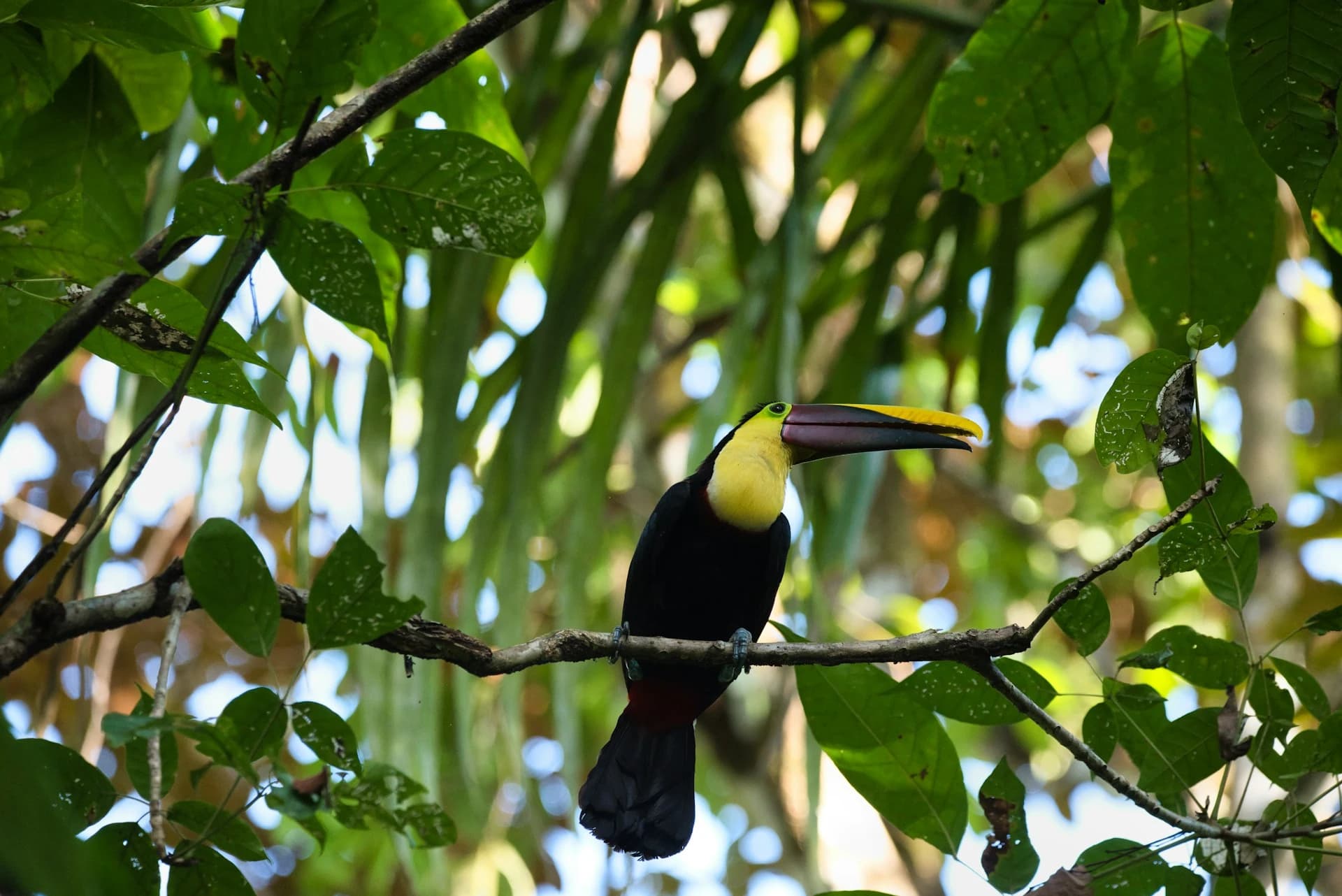
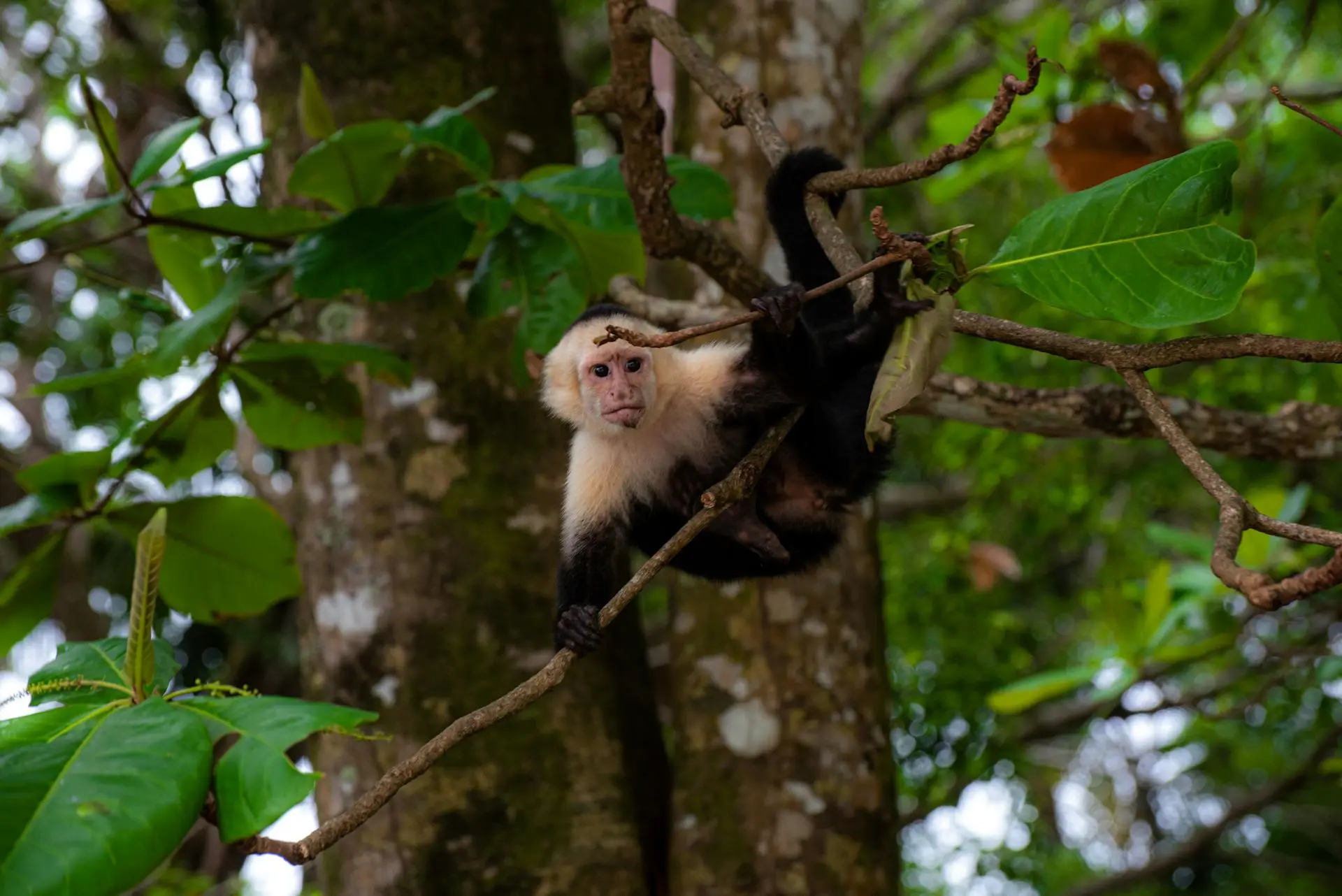
Dry-season mornings are excellent for wildlife. Sloths, white-faced capuchin and squirrel monkeys, iguanas, and toucans are active and easier to spot when the canopy is not dripping, and firmer trails make a guided national park tour more comfortable. A guide with a scope is still the difference between walking past wildlife and actually seeing it. Birdwatching is also strong this month, with dry, clear mornings delivering active viewing.
The Year's Best Snorkeling Visibility
January falls inside the December-to-March window when snorkeling visibility is at its best. Biesanz Bay and the boat-based snorkeling and sailing tours from Marina Pez Vela have their clearest water of the year, before green-season river runoff returns. We'd give snorkeling the edge in January over almost any other month.
Can You See Whales in Manuel Antonio in January?
A less-known January bonus is humpback whales. Northern-hemisphere humpbacks pass the central Pacific roughly December through February, so boat tours and sailing trips this month carry a chance of a sighting the green-season calendar does not offer. The prime viewing is concentrated south toward Marino Ballena near Uvita, about an hour from Manuel Antonio, where dedicated day trips run during the season.
The January Tradeoff: Crowds and the Peak-Season Booking Crunch
The downside of January is not the weather; it is everyone else. This is the busiest and most expensive month of the year, and the access constraints that come with it are real. Planning ahead is the difference between a smooth trip and a frustrating one.
The National Park Is the Pinch Point
Entry to Manuel Antonio National Park is capped at 600 visitors per day, tickets are sold only through the SINAC online system, and they regularly sell out weeks ahead in January. The park is also closed every Tuesday year-round. Buy your park ticket as soon as your dates are set, and book a guided tour in parallel rather than after.
Top Tours and Hotels Book Out
Top-rated small-group tours fill quickly in January, and same-day availability on the best options is unreliable. The Nauyaca waterfall trips and Naranjo River rafting are particular sell-outs, and hotels for the New Year week book out months in advance. We'd reserve the park ticket, lodging, and any must-do tours before locking in the rest of the itinerary.
How to Soften It
If you want dry-season weather with fewer people and lower prices, the bookends of the dry season (late November and April) deliver similar conditions with noticeably less pressure. Within January itself, the second half of the month is calmer than the holiday-driven first week. Early-morning park entries and weekday tour dates also help you sidestep the heaviest crowds.
Manuel Antonio Park Nature Guided Tour with a Nature Specialist
The activity we would book first in January, whatever the weather. A certified naturalist leads a small group along the park's flat, mostly paved main trail and finds the wildlife you would walk straight past on your own, from both species of sloth to capuchins, toucans and snakes, then sets up a spotting scope so everyone gets a clear look and a photo. At 4.8 stars across more than 4,300 reviews it is the highest-volume tour in the area, it suits every age and fitness level, and it ends at the park beaches where you can stay on afterward.
Book NowThe Best Activities in Manuel Antonio in January
Everything is open in January, and the dry season suits almost all of it. The table below rates each activity for the month and notes the best time of day to do it.
| Activity | January Rating | Best Time of Day | Notes |
|---|---|---|---|
| National Park Tour | 10/10 | Early morning | Dry trails, active wildlife; reserve SINAC ticket early |
| Snorkeling & Sailing | 9/10 | Morning or afternoon | Clearest water of the year (Dec–Mar); chance of whales |
| Birdwatching | 9/10 | Early morning | Dry mornings, active and clear viewing |
| Naranjo River Rafting | 9/10 | Morning | El Chorro canyon section runs Dec 15–May 15 |
| Waterfall Tours (Nauyaca) | 8/10 | Morning | Lower water volume but firm trails and best cliff jumping |
| Ziplining | 8/10 | Morning | Dry, firm platforms; reliable sun |
| Mangrove Tour | 8/10 | Morning | Year-round; wildlife unaffected by season |
| ATV Tour | 8/10 | Morning | Dry, dusty trails; firmer than green season |
| Horseback Riding | 8/10 | Morning | Dry trails; comfortable conditions |
| Night Tour | 8/10 | Evening | Runs year-round; drier walking in dry season |
| Chocolate Tour | 8/10 | Afternoon | Mostly covered; reliable in any weather |
| Surf Lessons | 7/10 | Morning | Smaller, cleaner swell; good for beginners |
Best in January
The national park tour, snorkeling and sailing, and birdwatching are at their annual best this month, driven by dry trails and the clearest water of the year. Naranjo rafting earns a January edge because the El Chorro canyon section, with its cliff jumping, only runs in the dry-season window (roughly December 15 to May 15).
Reliable in Any Weather
The Damas Island mangrove tour, the guided night walk, and the chocolate tour run well year-round and make easy additions to a January itinerary, though in the dry season you rarely need a rain backup at all.
More January Activities Worth Knowing About
These January-friendly experiences do not have their own dedicated guides on this site yet, but all are well established and at their best in the dry season.
Manuel Antonio Beaches (Espadilla and Biesanz)
Playa Espadilla, the long public beach just outside the park, and the sheltered Biesanz Bay are at their best in January: calm, clear, warm water and reliable sun. Mornings are quieter; by midday the main beach fills with day visitors. No booking required, and a beach afternoon pairs naturally with an early park morning.
Marino Ballena and Uvita Whale Watching
About an hour south of Manuel Antonio, Marino Ballena National Park near Uvita is the central Pacific's prime whale-watching base. Northern humpbacks pass roughly December through February, so January is a viable window for a half-day boat trip, often combined with the park's famous Whale's Tail sandbar at low tide.
Rainmaker Conservation Park
Rainmaker is a private rainforest reserve inland from Quepos with hanging bridges, trails, and waterfalls. Dry-season footing makes the bridge-and-trail circuit comfortable in January, and it is a quieter, less-trafficked alternative to the national park for a wildlife and forest walk.
Quepos and Marina Pez Vela
The town of Quepos and its marina are where most boat tours, sportfishing charters, and sunset sails depart. Sportfishing is at its dry-season prime in January, and the marina's waterfront restaurants make an easy evening out. No tour required to wander the marina and town.
From Our Experience
What we consistently see is that travelers who lock in their national park date and ticket first, then build the trip around it, have a far smoother January than those who sort out flights and lodging and leave the park for last. In peak season the park cap, not the weather, is the thing most likely to derail a day.
Tips for Visiting Manuel Antonio in January
- Buy the SINAC park ticket the moment your dates are set: entry is capped at 600 visitors per day, sold only through the SINAC online system, and it sells out weeks ahead in January. Remember the park is closed every Tuesday.
- Enter the park at opening (around 7am): wildlife is most active, temperatures are coolest, and you are ahead of the mid-morning crowds that build quickly in peak season.
- Book lodging early for the New Year week: the late-December-to-January-5 window books out months in advance and carries the highest rates of the year. The second half of January is easier on both availability and price.
- Do wildlife early and the beach midday: dry-season mornings are best for the park and tours, while the strong midday sun is the right time for the water at Espadilla or Biesanz.
- Snorkel this month if it is on your list: visibility peaks December through March, so January is one of the best windows of the year for Biesanz Bay and the boat-based snorkeling and sailing tours.
- Pack reef-safe sunscreen and hydrate: the equatorial sun is intense even in comfortable dry-season temperatures, and reef-safe sunscreen is the responsible choice on snorkeling trips.
- Plan your transfer from San José around the morning: the drive is roughly 3 hours, and an early start gets you to the coast with time to settle in. Our San José to Manuel Antonio guide covers private transfers, shared shuttles, and the public bus.
- Want similar weather for less? Late November and April sit at the edges of the dry season with comparable conditions and noticeably fewer people and lower prices than January.
- Came from December? Our Manuel Antonio in December guide covers the dry-season start, the returning whales, and the Christmas and New Year holiday peak.
- Considering February instead? Our Manuel Antonio in February guide covers the month many call the best of the dry season: the same sunny weather as January with the holiday crowds gone.
- Visiting at a different time of year? Our Manuel Antonio in summer guide covers the June-to-August green season, the July veranillo dry spell, and which tours hold up best to afternoon rain.
- Planning around the seasons? Our Manuel Antonio dry season guide covers peak dry season on the central Pacific, with only about five rain days and the most reliable beach weather of the year.
- Planning the whole year? See our complete guide to the best time to visit Manuel Antonio, with every month scored and compared.
How We Put This Guide Together
The Costa Rica Day Trip team built this guide from seasonal weather patterns, national park access rules, operator availability windows, and verified traveler review patterns across every major Manuel Antonio activity category. January is the peak of the dry season, so we focused on the two things that genuinely change with the month: the weather and the booking crunch. Ratings reflect documented seasonal conditions rather than a best-case picture. This guide was reviewed and updated in May 2026. Conditions and prices vary year to year, so we recommend confirming tour availability and securing your national park ticket through SINAC well before your trip, especially for travel during the New Year holiday week. Every activity linked here has its own dedicated guide with operator comparisons and real review data.
Frequently Asked Questions
Is Manuel Antonio good in January?+
Yes. January is the heart of the dry season and the best month for weather: sunny days, very little rain, the clearest snorkeling visibility of the year, and dry, firm trails for wildlife viewing in the national park. The tradeoff is that it is the busiest and most expensive month, with the New Year holiday week the priciest and most crowded stretch of all. Plan and book early and January is hard to beat.
What is the weather like in Manuel Antonio in January?+
January is warm, sunny, and dry. Daytime highs run around 31°C (88°F) with overnight lows near 23°C (73°F), humidity is moderate, and rain is infrequent and usually brief. The Pacific stays warm at 28 to 29°C (82 to 84°F). Most days are fully dry, which makes January the easiest month of the year to plan a packed itinerary without working around the weather.
Can you see whales in Manuel Antonio in January?+
Yes. Northern-hemisphere humpback whales pass Costa Rica's central Pacific roughly December through February, so January boat and sailing tours carry a real chance of a sighting. The prime viewing is concentrated south toward Marino Ballena National Park near Uvita, about an hour from Manuel Antonio, where dedicated half-day whale-watching trips run during the season, often combined with the Whale's Tail sandbar.
How crowded is Manuel Antonio in January?+
Very. January is the busiest month of the year, and the late-December-to-January-5 New Year window is the single most crowded stretch. The national park regularly hits its 600-visitor daily cap, and beaches, restaurants, and tours run near capacity. Crowds ease through the month, with the second half (January 16 to 31) noticeably more comfortable than the holiday week while keeping the same excellent weather.
Is January expensive in Manuel Antonio?+
Yes. January sits at the peak-season price level. Mid-range hotels run roughly $190 per night through most of the month and around $300 per night during the New Year week, with beachfront and boutique properties higher. Tour prices stay broadly consistent year-round, so the peak-season premium shows up in lodging and availability rather than in tour rates. For similar weather at lower cost, late November and April are gentler.
What is the best week to visit Manuel Antonio in January?+
The second half of the month, roughly January 16 to 31. By then the New Year crowds have cleared and holiday rates have eased, while the weather is still at its driest and sunniest and the national park is more manageable, especially on early-morning entries. The first five days of January overlap the holiday peak and are the most crowded and expensive of the year.
What activities are best in Manuel Antonio in January?+
The guided national park tour, snorkeling and sailing trips, and birdwatching are at their annual best, thanks to dry trails and the clearest water of the year. Naranjo River rafting has an added January draw because the El Chorro canyon section runs only in the dry season (about December 15 to May 15). Waterfall tours, ziplining, ATV, horseback riding, and mangrove and night tours all run well this month too.
Do I need to book Manuel Antonio National Park in advance in January?+
Yes, and earlier than in other months. The park caps entry at 600 visitors per day and sells tickets only through the SINAC online reservation system, and in January they routinely sell out weeks ahead. The park is also closed every Tuesday. Buy your ticket as soon as your dates are set, and book any guided tour in parallel; top-rated small-group tours and New Year week hotels also fill far in advance.
Affiliate note: Some links on this page are affiliate links. If you book through them, we may earn a small commission at no additional cost to you.