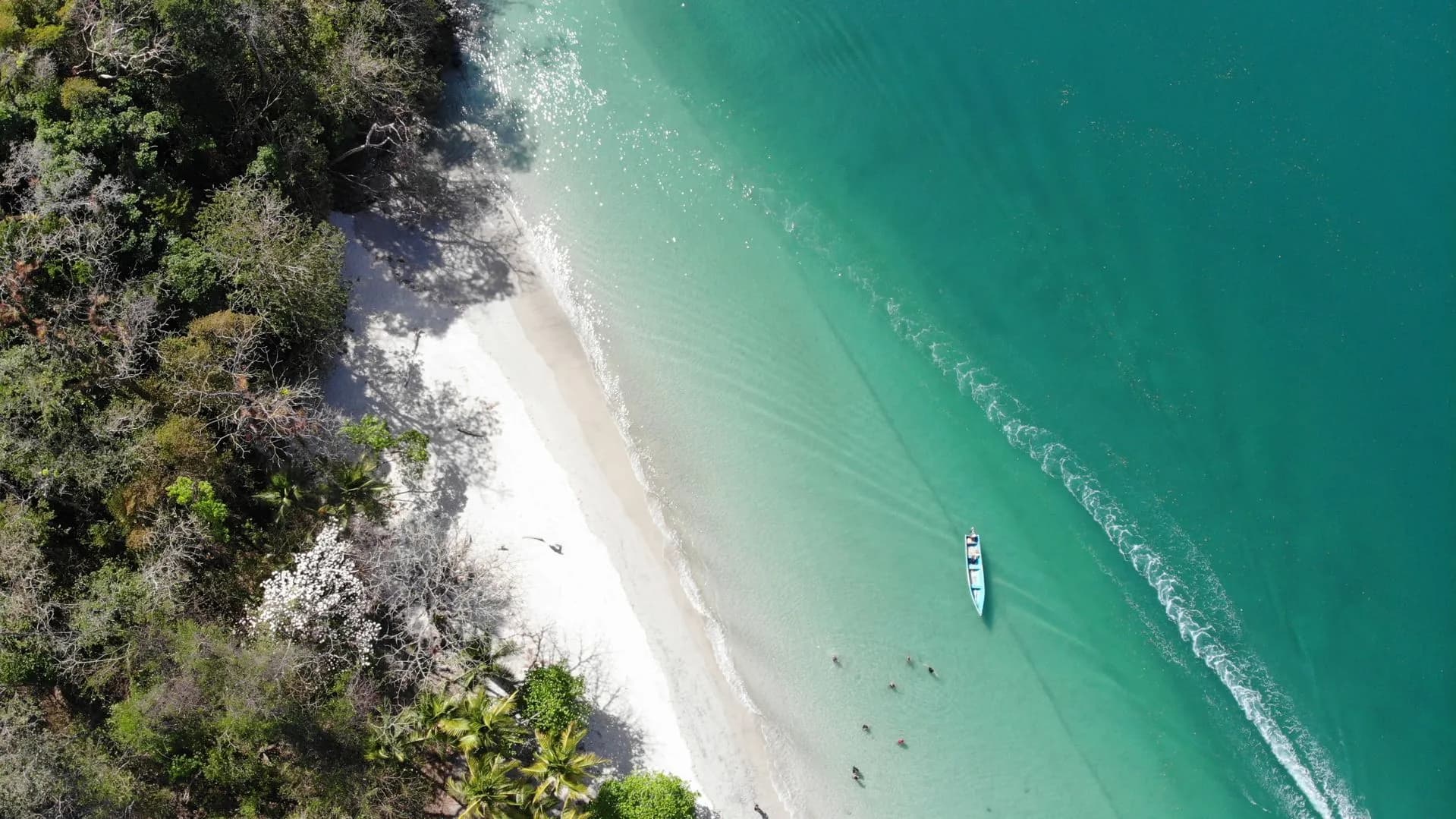
March is the hottest, driest stretch of the dry season in Manuel Antonio: reliable sun, excellent wildlife and snorkeling, and one big timing factor, the Semana Santa beach crowds at the end of the month. Here is what to expect.
What You Should Know
- March is the hottest and driest stretch of the dry season in Manuel Antonio: reliable sun, almost no rain, dry firm trails for wildlife, and snorkeling visibility still at the end of its clearest window.
- The one date that changes March is Semana Santa (Holy Week), which falls at the very end of the month in 2026 (roughly March 29 to April 5). Costa Rican families flood the beaches, and lodging and the park book out.
- The main tradeoff is heat and, late in the month, crowds. Midday sun is strong, so mornings for activity and middays for the water is the rule, more so than in January or February.
- Whale watching is between seasons: the northern humpbacks have largely left by March and the southern season does not start until about July, so March is a gap month for whales.
Manuel Antonio in March: The Honest Picture
⭐ Best March window: the first three weeks (about March 1 to 22). The weather is reliably dry and sunny, crowds sit at normal high-season levels, and you are ahead of the Semana Santa domestic travel peak that lands at the end of the month.
| Factor | March Rating |
|---|---|
| Weather | 9/10: hot and reliably dry |
| Crowds | 4/10: busy; Semana Santa spike late month |
| Prices | 3/10: high season; Semana Santa premium |
| Wildlife & National Park | 9/10: dry trails, active mornings |
| Snorkeling | 9/10: still the clear-water window |
| Surf | 6/10: small, clean swell; beginner-friendly |
| Rain | 10/10: driest stretch of the year |
| Families | 8/10: great weather, but heat and Semana Santa crowds |
| Couples | 8/10: sunny and dry; hot and busiest at month's end |
💰 Average March hotel prices (Manuel Antonio/Quepos, mid-range):
Most of March: ~$190/night · Semana Santa (late Mar): ~$240/night
Rough mid-range estimates; rates vary by property and booking lead time.
March is the driest, sunniest part of the year in Manuel Antonio, and the hottest. It carries all the strengths of the dry season, reliable sun, dry trails, and clear water for snorkeling, with one extra factor to plan around: the heat builds through the month, and the Semana Santa holiday lands at the end. For most of March, conditions are excellent; the timing question is whether your dates run into Holy Week.
Visiting Manuel Antonio in March means high season with a domestic twist. International visitors keep the park and tours busy all month, and then in the final stretch Costa Rican families travel for Semana Santa, packing the beaches and filling hotels. Away from that week, March is a sunny, dependable month that simply runs a few degrees hotter than January and February.
We'd lean toward March for travelers who want guaranteed dry weather and can either avoid or plan ahead for Semana Santa. The honest tradeoffs are the heat, which makes midday demanding, and the late-month crowds. This guide covers the weather week by week, how March compares to the other dry-season months, what the heat and the Semana Santa peak mean for planning, and the activities that shine this month.
Who March suits best:
- Sun seekers: if you want the lowest chance of rain all year, March (with February) is as dependable as it gets.
- Beach and water trips: warm, clear water and the year's last stretch of peak snorkeling visibility make the heat easy to escape.
- Budget and quiet travelers: less ideal, and least of all during Semana Santa, when prices and crowds spike; green-season months are far cheaper and calmer.
- Heat-sensitive travelers: plan around it. March middays are strong, so build the day around early starts and midday water time.
Manuel Antonio Weather in March
| Metric | March |
|---|---|
| Avg High | 33°C (91°F) |
| Avg Low | 23°C (73°F) |
| Water Temp | 28–29°C (82–84°F) |
| Rain Days | ~3 |
| Humidity | Low |
| Wind | Low to moderate |
| Rain Level | Very low (driest stretch) |
Temperature and Humidity
March is the hottest month of the dry season, with daytime highs around 33°C (91°F) and overnight lows near 23°C (73°F). Humidity stays low, which keeps the heat manageable in the shade and in the breeze, but direct midday sun is intense. The practical effect is that March rewards an early start more than any other dry-season month: mornings are comfortable, and the middle of the day is best spent in the water or out of the sun.
Rain Pattern
March is one of the driest months of the year, often rivaling February for the least rain. Showers are rare and brief when they happen, and most days are completely dry from morning to night. You essentially never have to plan a March day around the weather, which is part of why it stays a popular month despite the heat.
Sea and Outdoor Conditions
The Pacific is warm at 28 to 29°C (82 to 84°F), and March sits at the tail of the December-to-March window of clearest water, so snorkeling visibility is still very good before the green-season runoff returns later in spring. Surf is small and clean, good for beginners. Trails in the national park and on waterfall, ATV, and zipline tours are dry and firm, though dusty by late dry season.
Manuel Antonio in March: Crowds and Prices
March is a high-season month with a clear split: steady international crowds for most of it, then a sharp domestic surge for Semana Santa at the end.
- March 1 to 22 (high season, steady): Busy but normal for the dry season. Excellent weather, the park and tours at their usual high-season pace, and availability similar to February outside Valentine's week. This is the calmest, most comfortable stretch of the month.
- March 23 to 28 (pre-Semana Santa build): Crowds and rates begin climbing as the holiday approaches and early travelers arrive. Book lodging and the park ahead if your dates fall here.
- March 29 onward (Semana Santa): In 2026 Holy Week runs roughly March 29 to April 5. Costa Rican families travel domestically and the central Pacific beaches are at their busiest of the year. Hotels and the national park book out well in advance, and some local services keep reduced hours on the holiest days (Thursday and Friday).
Expect mid-range Manuel Antonio hotels to run around $190 per night through most of March, climbing toward $240 or more during Semana Santa, with beachfront and boutique properties higher. Tour prices stay broadly stable year-round; the premium is in lodging and availability, sharply so during Holy Week.
Is March a Good Time to Visit Manuel Antonio?
Yes, March is a good time to visit Manuel Antonio, with two caveats: the heat and Semana Santa. For most of the month it delivers the dry season's reliable sun and clear water; the main decision is whether your dates run into Holy Week, and how well you handle midday heat.
March vs Other Months (Dry Season)
| Month | Weather | Crowds | Prices | Overall |
|---|---|---|---|---|
| December | 9/10: dry season begins | 3/10: holiday surge late month | 2/10: Christmas/New Year peak | Excellent weather, holiday crush late in the month |
| January | 10/10: driest, sunniest | 3/10: busiest month | 2/10: peak rates | Peak conditions at peak cost |
| February | 10/10: dry, sunny, low humidity | 4/10: busy but post-holiday | 3/10: high | Best all-around month for most travelers |
| March | 9/10: hot and reliably dry | 4/10: busy; Semana Santa late | 3/10: high | Hot, dry, dependable; mind Holy Week |
| April | 8/10: hottest; first rains possible late | 6/10: eases after Semana Santa | 5/10: shoulder begins | Dry-season value as crowds thin |
March vs February
February and March are close: both are sunny and dry, with February a touch cooler and less humid and March a little hotter. The bigger difference is the calendar. February sits clear of major holidays, while March ends in the Semana Santa peak. We'd give February the slight edge for comfort and predictability; March wins if you want the driest possible weather and your dates avoid Holy Week. Our Manuel Antonio in February guide covers that month in detail.
So, When Should You Visit?
For sun and snorkeling, December through April all work, and February is the most common pick as the best all-around month, with March a strong, slightly hotter alternative outside Holy Week. If you want lower prices and far fewer people and can accept afternoon rain, the green-season months (especially the July veranillo) are the trade; our Manuel Antonio in summer guide covers that side of the calendar.
Peak Dry Season: Hot, Dry, and Wildlife at Its Most Visible
March's draw is the dry season at full strength: the year's lowest rainfall, dependable sun, and dry trails. The heat is the price of admission, but the wildlife and the water are at their best for it.
Wildlife on Dry, Firm Trails
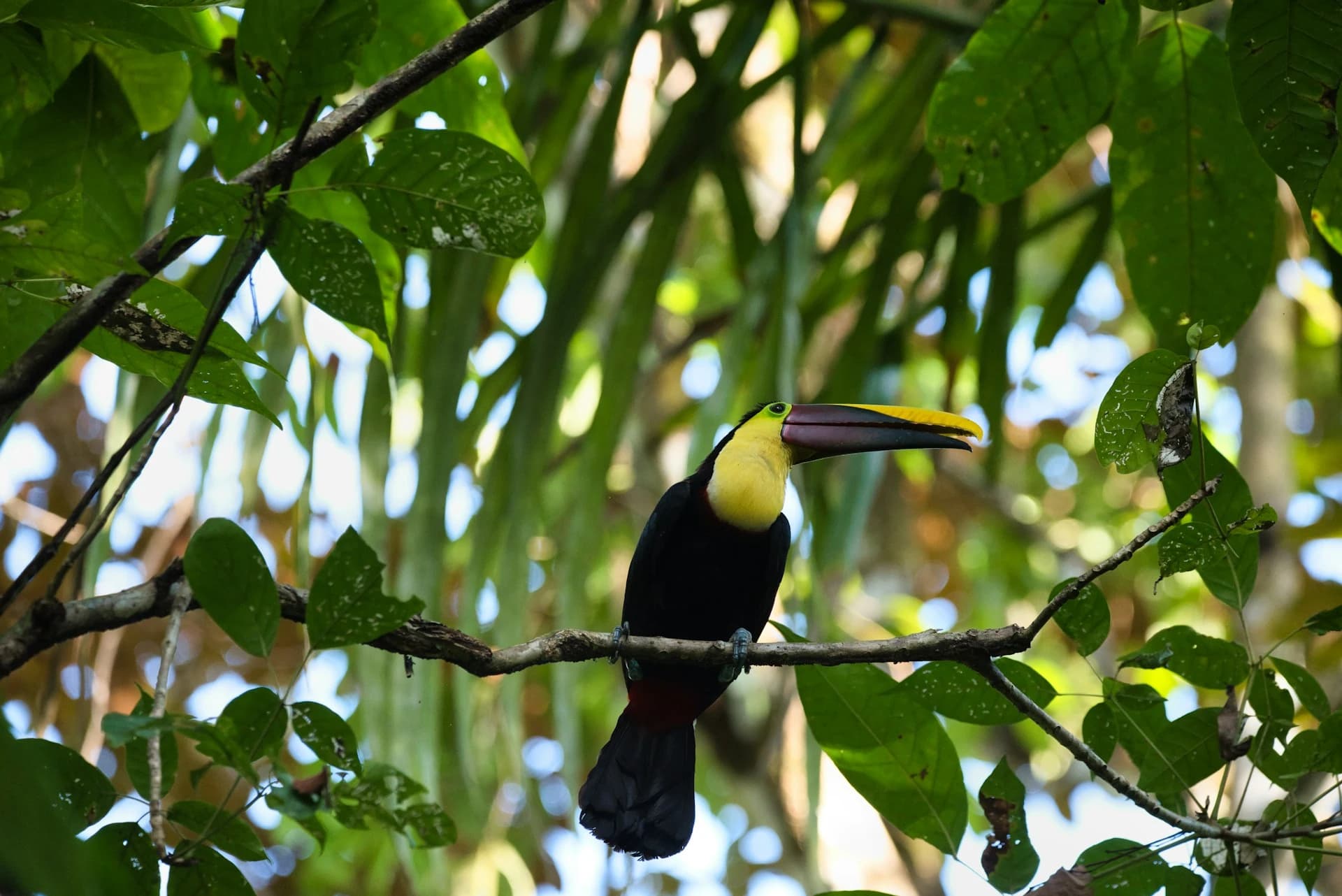
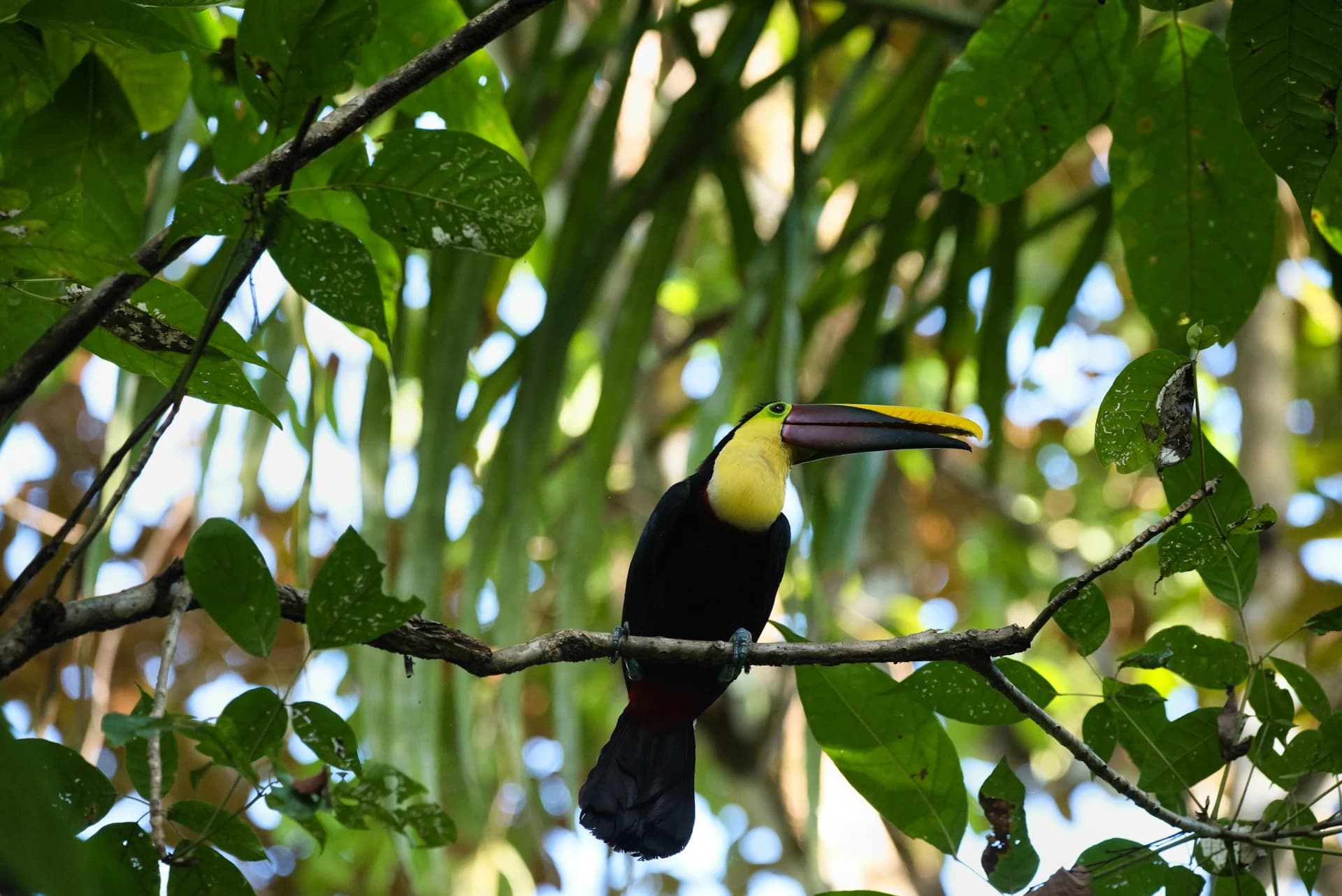
Dry-season mornings are excellent for wildlife. Sloths, white-faced capuchin and squirrel monkeys, iguanas, and toucans are active early, and the firm, dry trails make a guided national park tour comfortable, as long as you go early before the heat peaks. A guide with a scope is still the difference between walking past wildlife and actually seeing it. Birdwatching stays strong, with clear, dry mornings.
Snorkeling Before the Window Closes
March sits at the end of the December-to-March stretch of clearest water, so snorkeling visibility is still very good. Biesanz Bay and the boat-based snorkeling and sailing tours from Marina Pez Vela are at their last reliably clear point of the dry season, and a sailing trip is also one of the better ways to beat the March heat. We'd prioritize the water this month.
Can You See Whales in Manuel Antonio in March?
Not reliably. The northern-hemisphere humpbacks that pass the central Pacific from December largely depart by the end of February, and the southern-hemisphere season does not begin until about July. That leaves March in a gap with no dependable whale watching. Boat and sailing tours still run for the reef, the coastline, and frequent dolphin sightings; if humpbacks are your goal, plan for the July-to-October window instead.
Semana Santa and the Heat: What to Plan Around in March
March has two things to plan around that the earlier dry-season months do not: the Semana Santa holiday at the end of the month, and the strongest heat of the season. Neither is a reason to skip March, but both change how you should structure the trip.
Semana Santa (Holy Week)
In 2026, Semana Santa runs roughly March 29 to April 5. It is Costa Rica's biggest domestic travel week, and the central Pacific beaches near Manuel Antonio are among the most popular destinations. Expect packed beaches, fully booked hotels, heavy road traffic on the way in and out, and the national park at its daily cap. Some businesses reduce hours on Holy Thursday and Good Friday, and alcohol sales are sometimes restricted on those days. If you are visiting during this window, book lodging and your park tour well in advance and build in patience for traffic. If you would rather avoid the crush, target the first three weeks of March.
The Heat
March is the hottest month of the dry season. The fix is simple but it matters: do outdoor activities early, and treat midday as water-and-shade time. Morning park visits, early ATV and horseback tours, and afternoon snorkeling or sailing are the pattern that works. Hydration and reef-safe sunscreen matter more in March than in any other dry-season month.
Manuel Antonio Park Nature Guided Tour with a Nature Specialist
The activity we would book first in March, whatever the weather. A certified naturalist leads a small group along the park's flat, mostly paved main trail and finds the wildlife you would walk straight past on your own, from both species of sloth to capuchins, toucans and snakes, then sets up a spotting scope so everyone gets a clear look and a photo. At 4.8 stars across more than 4,300 reviews it is the highest-volume tour in the area, it suits every age and fitness level, and it ends at the park beaches where you can stay on afterward.
Book NowThe Best Activities in Manuel Antonio in March
Everything is open in March, and the dry season suits almost all of it; the main adjustment is timing around the heat. The table below rates each activity for the month and notes the best time of day.
| Activity | March Rating | Best Time of Day | Notes |
|---|---|---|---|
| National Park Tour | 9/10 | Early morning | Go at opening to beat the heat; reserve SINAC ticket early |
| Snorkeling & Sailing | 9/10 | Morning or afternoon | Still-clear water and the best way to beat the heat |
| Birdwatching | 9/10 | Early morning | Clear, dry mornings; finish before midday heat |
| Naranjo River Rafting | 9/10 | Morning | El Chorro canyon section runs Dec 15–May 15 |
| Waterfall Tours (Nauyaca) | 8/10 | Morning | Firm trails and cooling pools; lower water volume |
| ATV Tour | 8/10 | Early morning | Dry, dusty trails; go early before the heat |
| Ziplining | 8/10 | Morning | Dry, firm platforms; shaded canopy helps |
| Mangrove Tour | 8/10 | Morning | Year-round; shaded estuary on hot days |
| Horseback Riding | 7/10 | Early morning | Dry trails; little shade, so go early |
| Night Tour | 8/10 | Evening | Cooler after dark; runs year-round |
| Chocolate Tour | 8/10 | Afternoon | Mostly shaded; comfortable in the heat |
| Surf Lessons | 7/10 | Morning | Small, clean swell; cooler early sessions |
Best in March
The national park tour, snorkeling and sailing, and birdwatching stay at the top of the list, with snorkeling and sailing earning extra appeal as the best way to cool off. Naranjo rafting keeps its dry-season edge because the El Chorro canyon section, with its cliff jumping, runs only from about December 15 to May 15.
Reliable and Comfortable in the Heat
The shaded Damas Island mangrove tour, the cooler-after-dark guided night walk, and the mostly shaded chocolate tour are the easiest options on a hot March day, and all run well year-round.
More March Activities Worth Knowing About
These March-friendly experiences do not have their own dedicated guides on this site yet, but all are well established and suited to the dry season.
Manuel Antonio Beaches (Espadilla and Biesanz)
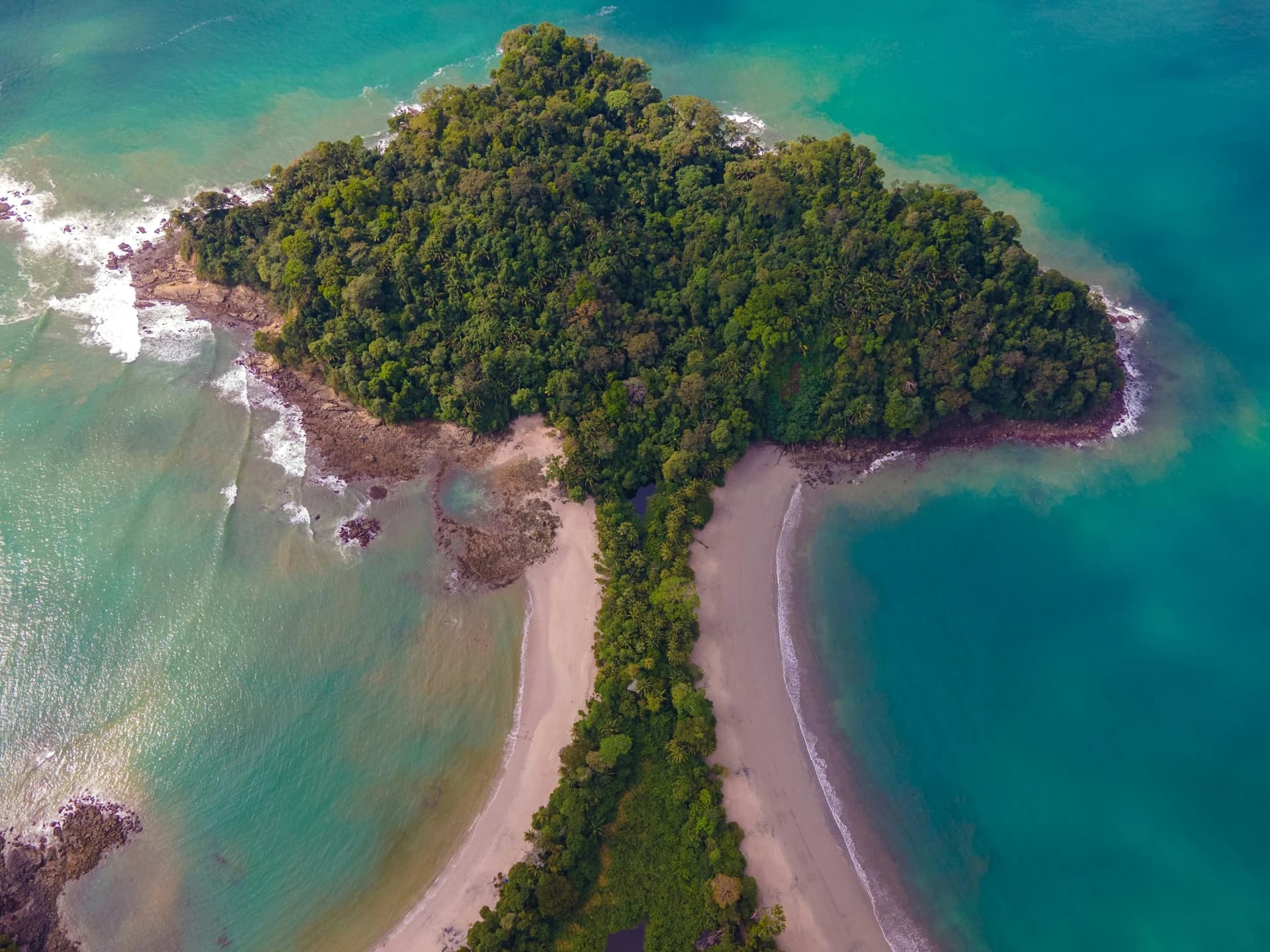
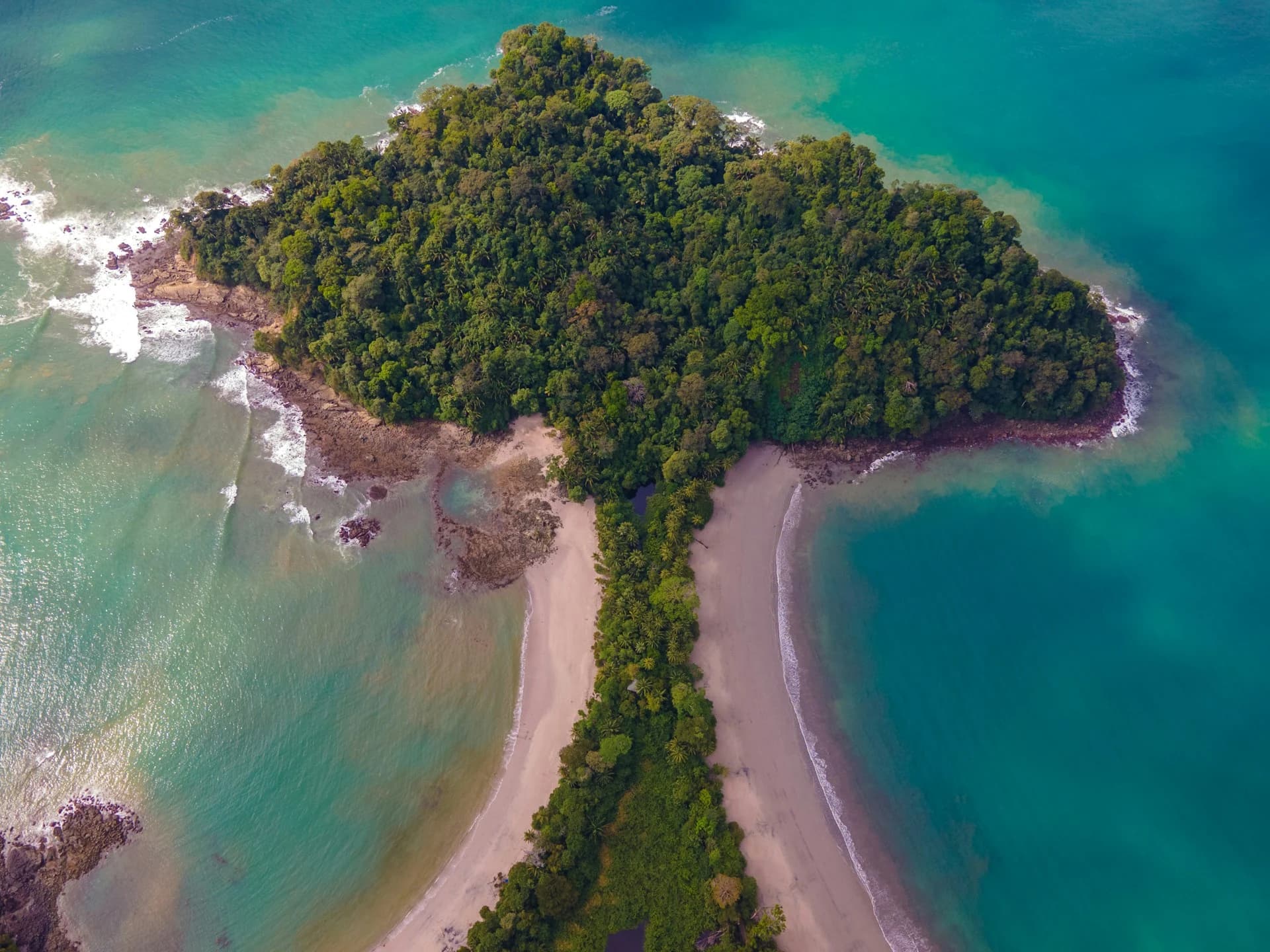
Playa Espadilla, the long public beach just outside the park, and the sheltered Biesanz Bay are warm, calm, and clear in March, and they are the natural midday escape from the heat. Mornings are quieter; midday and Semana Santa both fill the main beach. No booking required, and a beach afternoon pairs naturally with an early park morning.
Rainmaker Conservation Park
Rainmaker is a private rainforest reserve inland from Quepos with hanging bridges, trails, and waterfalls. The forest canopy keeps it cooler than open trails, which is welcome in March, and it is a quieter, less-trafficked alternative to the national park for a wildlife and forest walk.
Quepos and Marina Pez Vela
The town of Quepos and its marina are where most boat tours, sportfishing charters, and sunset sails depart. Sportfishing is at its dry-season prime in March, and the marina's waterfront restaurants make an easy evening out once the day cools. No tour required to wander the marina and town.
Sunset Sails and Sportfishing
Late-afternoon sunset sails are one of the best uses of a hot March day, trading the midday heat for sea breeze and a cocktail at golden hour. Offshore sportfishing also peaks in the dry season, with calm seas and reliable departures from Marina Pez Vela.
From Our Experience
What we consistently see is that March separates cleanly into two trips: the easy, sunny three weeks at the start of the month, and Semana Santa at the end, which is a different experience entirely. Travelers who know which one their dates fall into, and book accordingly, are rarely caught out.
Tips for Visiting Manuel Antonio in March
- Check whether your dates hit Semana Santa: in 2026 Holy Week is roughly March 29 to April 5. If they do, book lodging and your park ticket far ahead and plan for traffic and packed beaches. If you can, target the first three weeks of March instead.
- Start outdoor activities early: March is the hottest dry-season month, so the national park, ATV, horseback, and waterfall tours are all far better at or near opening, before the midday sun peaks.
- Use the water to beat the heat: snorkeling, sailing, and beach time are the natural midday and afternoon plans, and snorkeling visibility is still very good at the end of its clearest window.
- Reserve the SINAC park ticket once your dates are set: entry is capped at 600 visitors per day, sold only through the SINAC online system, and busy March days, especially Semana Santa, sell out. The park is closed every Tuesday.
- Don't plan a March trip around whales: the northern humpback season ends by about February and the southern season starts around July, so March has no reliable whale watching. Sailing tours still deliver reef snorkeling and dolphins.
- Hydrate and use reef-safe sunscreen: the equatorial sun is at its strongest of the dry season in March, and reef-safe sunscreen is the responsible choice on snorkeling trips.
- Plan your transfer from San José around the morning, and around Semana Santa traffic: the drive is roughly 3 hours and far busier during Holy Week. Our San José to Manuel Antonio guide covers private transfers, shared shuttles, and the public bus.
- Came from February, or considering it? Our Manuel Antonio in February guide covers the cooler, less humid month many rate the best of the dry season, clear of any major holiday.
- Heading into April? Our Manuel Antonio in April guide covers the dry season's last weeks: the Semana Santa peak, then shoulder-season value and the first green-season showers.
- Visiting at a different time of year? Our Manuel Antonio in summer guide covers the June-to-August green season, the July veranillo dry spell, and which tours hold up best to afternoon rain.
- Planning around the seasons? Our Manuel Antonio dry season guide covers the driest and hottest stretch of the year, and what that means for midday heat on exposed beaches.
- Planning the whole year? See our complete guide to the best month to visit Manuel Antonio, with every month scored and compared.
How We Put This Guide Together
The Costa Rica Day Trip team built this guide from seasonal weather patterns, national park access rules, the Costa Rican holiday calendar, operator availability windows, and verified traveler review patterns across every major Manuel Antonio activity category. March is the hottest, driest stretch of the dry season, so we focused on the two factors that genuinely change with the month: the heat and the Semana Santa peak. Ratings reflect documented seasonal conditions rather than a best-case picture. This guide was reviewed and updated in May 2026. Conditions, prices, and the exact Holy Week dates vary year to year, so we recommend confirming tour availability and securing your national park ticket through SINAC before your trip, especially for travel during Semana Santa. Every activity linked here has its own dedicated guide with operator comparisons and real review data.
Frequently Asked Questions
Is Manuel Antonio good in March?+
Yes. March is the driest, sunniest stretch of the year, with great wildlife viewing on firm trails and still-clear water for snorkeling. The two things to plan around are the heat, which is the strongest of the dry season, and Semana Santa (Holy Week) at the end of the month, when Costa Rican families pack the beaches and lodging books out. For most of March, away from Holy Week, conditions are excellent.
What is the weather like in Manuel Antonio in March?+
March is hot, sunny, and very dry. Daytime highs run around 33°C (91°F) with overnight lows near 23°C (73°F), humidity is low, and rain is rare, often the least of any month. The Pacific stays warm at 28 to 29°C (82 to 84°F). The main planning factor is heat: mornings are comfortable, but midday sun is intense, so build the day around early activity and midday water time.
Can you see whales in Manuel Antonio in March?+
Not reliably. The northern-hemisphere humpback whales that pass the central Pacific from December largely leave by the end of February, and the southern-hemisphere season does not start until about July. That makes March a gap month for whale watching. Boat and sailing tours still run for reef snorkeling and frequent dolphin sightings; for humpbacks, plan for the July-to-October window instead.
What is Semana Santa like in Manuel Antonio?+
Semana Santa (Holy Week) is Costa Rica's biggest domestic travel week, and in 2026 it falls roughly March 29 to April 5. The central Pacific beaches near Manuel Antonio are among the most popular destinations, so expect packed beaches, fully booked hotels, heavy road traffic, and the national park at its daily cap. Some businesses reduce hours on Holy Thursday and Good Friday. Book far ahead if you visit then, or target the first three weeks of March to avoid the crush.
Is March expensive in Manuel Antonio?+
Yes, it is a high-season month. Mid-range hotels run roughly $190 per night through most of March, climbing toward $240 or more during Semana Santa, with beachfront and boutique properties higher. Tour prices stay broadly consistent year-round, so the premium is in lodging and availability, and it spikes sharply during Holy Week. For lower prices with similar weather, April after Semana Santa and the green season are cheaper.
What is the best week to visit Manuel Antonio in March?+
The first three weeks, roughly March 1 to 22, before the Semana Santa build. You get the dry season's reliable sun and clear water at normal high-season crowd levels, without the Holy Week surge that lands at the end of the month. If you are specifically traveling for the holiday atmosphere, the Semana Santa week itself is lively but very busy and should be booked far in advance.
What activities are best in Manuel Antonio in March?+
The guided national park tour, snorkeling and sailing, and birdwatching are at the top, with snorkeling and sailing especially appealing as a way to beat the heat. Naranjo River rafting keeps a dry-season draw because the El Chorro canyon section runs only from about December 15 to May 15. Waterfall, ATV, horseback, zipline, mangrove, and night tours all run well; in March, schedule the outdoor ones for early morning.
Is Manuel Antonio too hot in March?+
March is the hottest month of the dry season, with highs around 33°C (91°F), but it is manageable with the right schedule. Humidity is low, mornings and evenings are comfortable, and the sea breeze helps on the coast. The key is to do outdoor activities early and treat midday as water-and-shade time. Snorkeling, sailing, and beach afternoons turn the heat into an asset rather than a problem.
Affiliate note: Some links on this page are affiliate links. If you book through them, we may earn a small commission at no additional cost to you.