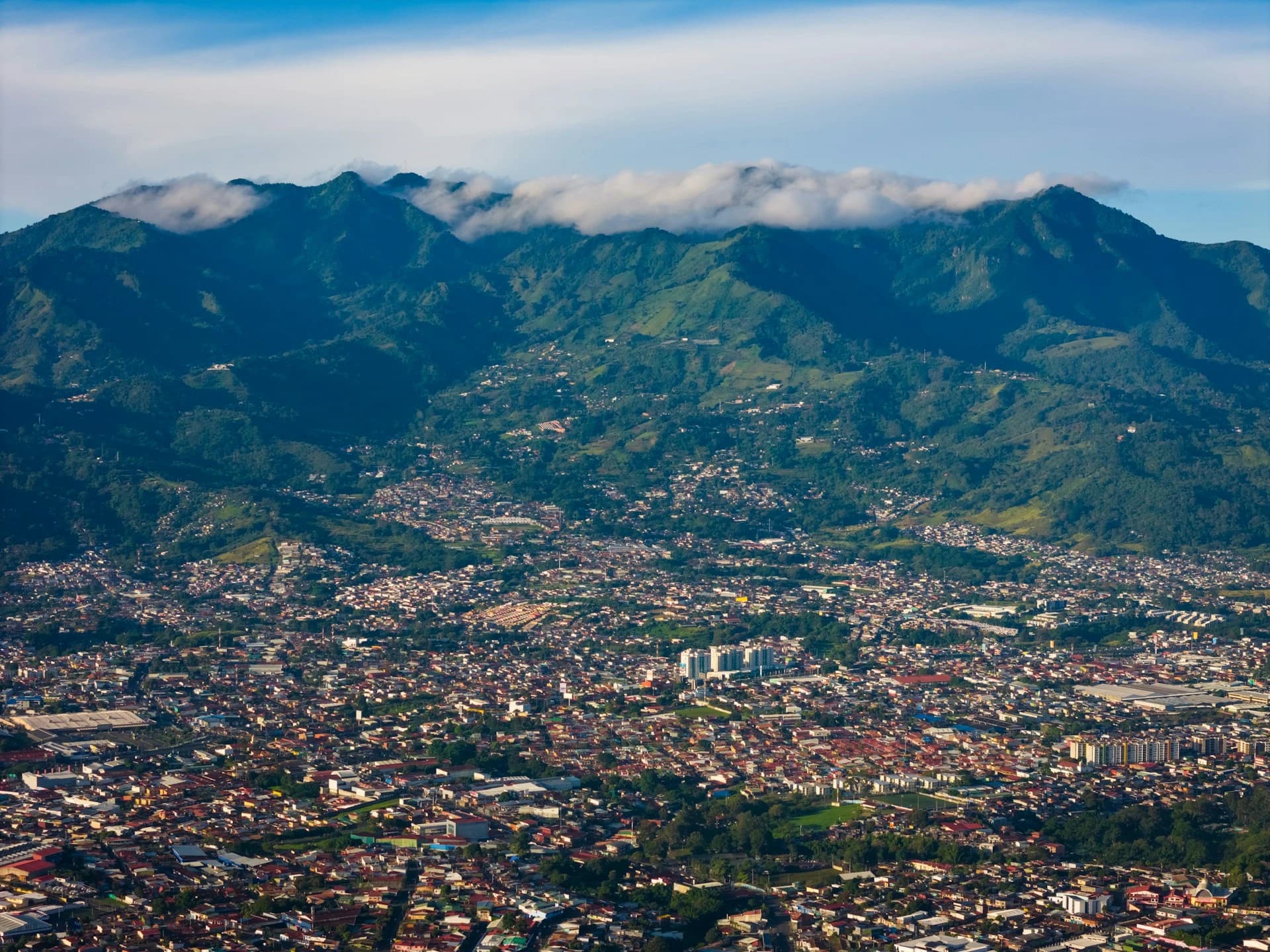
The best time to visit San José, Costa Rica depends less on the city than on the day trips you plan from it: the dry season brings clear volcano mornings and dry trails, while the green season brings afternoon rain, fuller waterfalls and bigger rapids. Here is how each month compares.
What You Should Know
- San José has two seasons. The dry season (December to April) brings sunny days and the clearest mornings at the Poás and Irazú craters. The green season (May to November) brings bright mornings and rain on most afternoons, with September and October the wettest months.
- The temperature barely changes. At the official station in Pavas, on the city's west side, average highs stay between about 29°C and 31.5°C and lows between about 15.5°C and 17°C in every month, so the rain, not the heat, decides your month.
- Most visitors use San José as a base for day trips, and those follow their own weather. The volcano summits are cold and often cloudy by late morning, and the Caribbean slope, where the Pacuare River and Tortuguero sit, has its relative dry spells in February to March and September to October.
- Costa Rican holidays shape the city as much as the weather. During Holy Week (21 to 28 March 2027) and between Christmas and New Year, many josefinos leave for the coast; in our check, the city's most-reviewed food walk showed no availability on 24 and 25 December or 1 January.
Best Time to Visit San José, Costa Rica: The Short Answer
⭐ The short answer: For the most reliable weather and the clearest volcano views, visit San José in the dry season, January to March, with February the pick of the year. For a quieter green-season trip with decent weather odds, July is the standout, thanks to the midsummer dip in the rain. September and October are the wettest months, and the best time to pair San José with the Caribbean side.
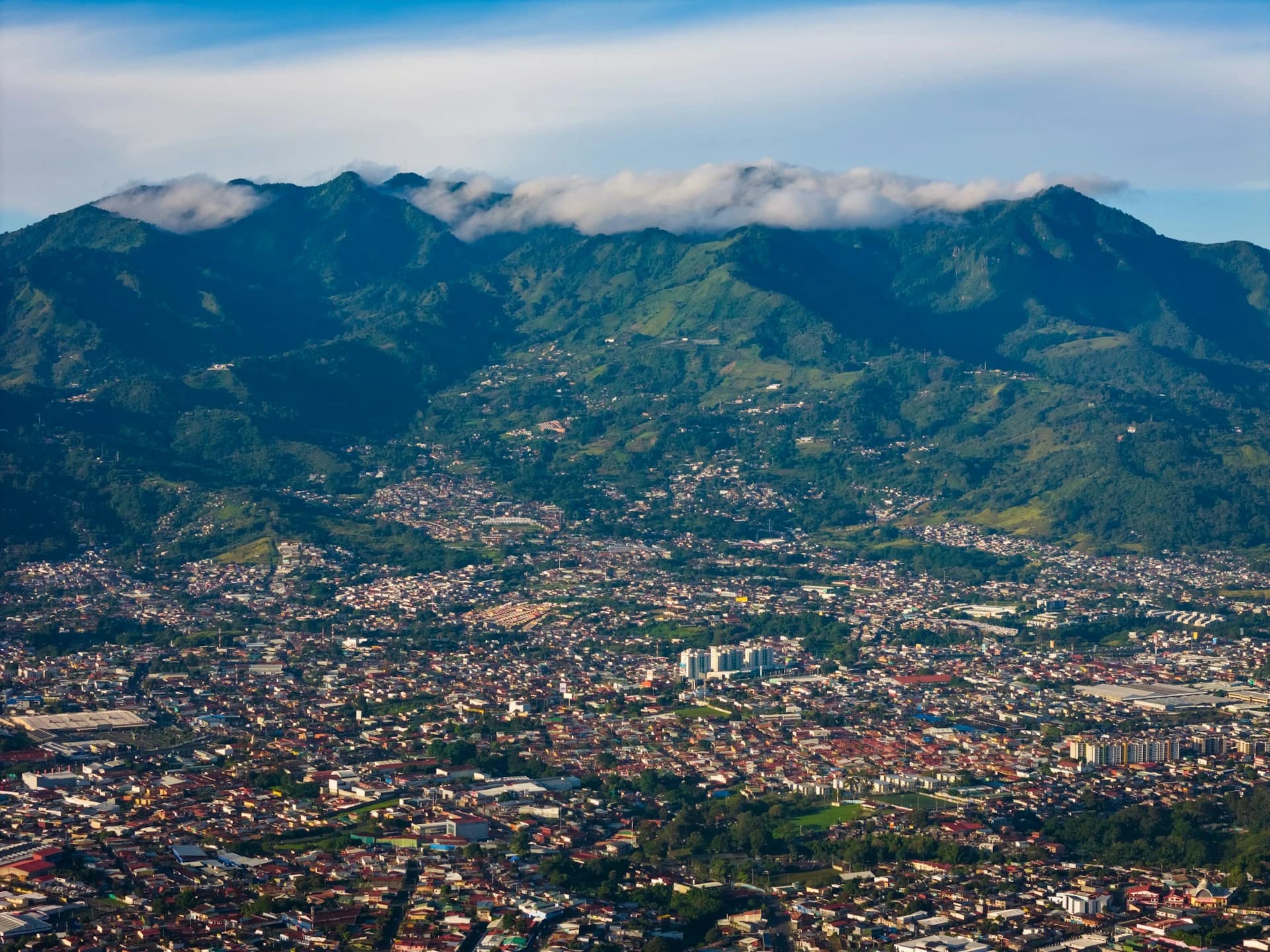
The best time to visit San José, Costa Rica comes down to how much of your trip happens outside the city. The capital sits in the Central Valley at about 1,170 metres, and its mild climate barely changes with the calendar. What changes is the rain. From December to April, days are dry and sunny, and the morning views from the Poás Volcano and Irazú crater rims have their best odds. From May to November, mornings are usually bright and the rain arrives in the afternoon, which suits a city walk or a coffee tour before lunch far better than a long drive to a viewpoint.
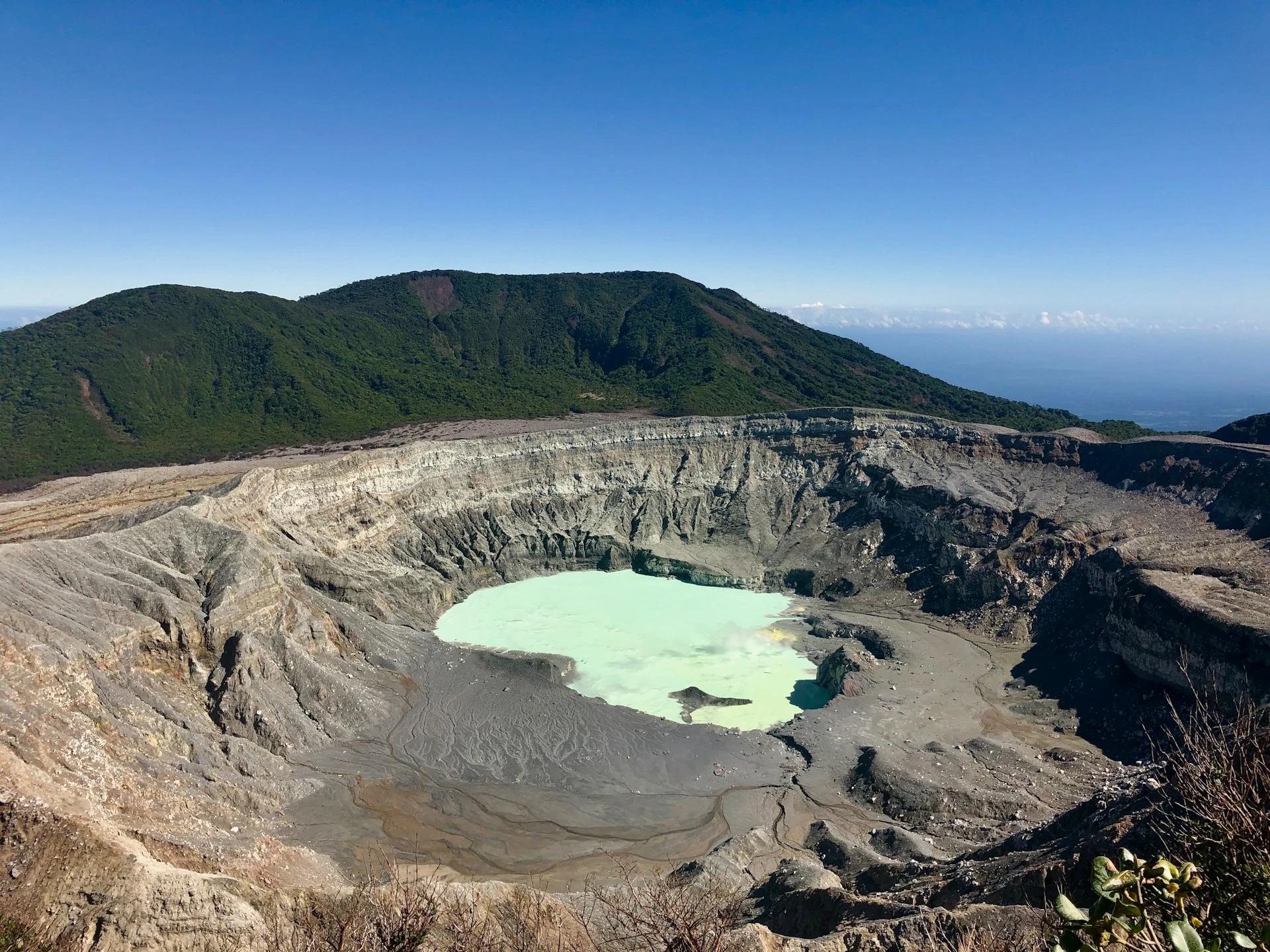
That is why we score the months by what you can do from San José, not by the city alone. A green-season afternoon in the city is easy to plan around, with museums, markets and cafés a few blocks apart. A cloudy crater after a two-hour drive is harder to fix, and Poás now allows only 20 minutes at the viewpoint, as our Poás Volcano rules guide explains.
The calendar matters too. Costa Rica's long school break runs from December into February, foreign visitors peak in the same months, and the big holiday weeks (Holy Week and Christmas to New Year) empty the city while the beaches fill. If you are still deciding what to book, our best things to do in San José guide ranks everything in and around the capital.
Best Time to Visit San José by Traveler Type
The fastest way to find your month: pick the row that describes your trip. Each recommendation is explained further down.
| Traveler | Best Months |
|---|---|
| First-time visitors | January–March (outside Holy Week) |
| Volcano crater views | January–April, on an early start |
| Coffee harvest | November–January |
| White-water rafting | Year-round; keep a spare day in the wetter months |
| City walks & museums | Any month; mornings from May to November |
| Festivals & culture | September (Independence Day), December (Festival de la Luz, Tope) |
| Caribbean day trips | February–March, September–October |
| Fewest crowds | May, June, September, October |
What Is the Best Month to Visit San José, Costa Rica?
If we had to pick one month, February is the best month to visit San José. It sits in the heart of the dry season: the official station in Pavas averages about 14 mm of rain on only one or two days, the morning air over the Central Valley is at its clearest, and every day trip from the city runs in its easiest conditions, from the Poás and Irazú crater rims to the trails at Arenal and Manuel Antonio. February also falls in one of the Caribbean slope's relative lulls in the rain, which helps a Pacuare or Tortuguero day. The catch is that it is peak season, so book popular day trips and your Poás slot before you land.
Close behind are January and March. January is just as dry, though the school holidays and the New Year week keep it busy. March is the warmest month of the dry season, and in 2027 it carries Holy Week (21 to 28 March), when the city quietens while the coast fills. Book anything at the beach well ahead that week, and expect many businesses in the city to close on Holy Thursday and Good Friday.
Scoring every month on weather, crowds and how well the day trips run, February (9/10) leads, followed by January and March (8.5/10) and December (8/10), which loses points only to the Christmas closures. April (7.5/10) is the dry-season finale, with showers returning late in the month, and July (7/10) is the best green-season month. September and October (5.5/10) score lowest because they are the wettest months, though they are also the quietest and the best time for the Caribbean coast.
Our take (the morning rule): In San José, the time of day matters almost as much as the month. Volcano summits cloud over as the morning warms up in every season, and green-season rain usually waits for the afternoon. Put your crater visit and any long drive first thing, and keep the city's museums, markets and cafés for the afternoon.
San José's Two Seasons: Dry vs Green
San José has long-running official weather records, so the figures on this page are World Meteorological Organization climate normals for 1991 to 2020 at Tobías Bolaños airport in Pavas (997 m), the official station within San José itself. Costa Rica's National Meteorological Institute (IMN) describes the same pattern for the whole Central Valley in its regional climate study: a dry period from December to March, a rainy one from May to October, and April and November as transition months.
The dry season runs from December to April. January to March average only about 11 to 14 mm of rain a month, on one or two days, with highs of about 29 to 31°C and cool nights of about 15.5°C. The trade winds blow across the valley through most of the day, the skies are at their clearest and the volcano summits have their best odds of a clear morning. April is the warmest month, with highs near 31.5°C, and the first showers return, about 68 mm on seven days. It is also high season, with the Costa Rican school break running from December into February.
The green season runs from May to November. Rain falls on 12 to 22 days a month, usually after a sunny morning, and builds to the wettest months, September (about 296 mm) and October (about 290 mm). Two short breaks soften it. Around 23 to 25 June, the IMN describes a brief pause known as the veranillo de San Juan, and from roughly mid-July to early August the canícula brings fewer and shorter showers, which is why July (about 150 mm) is the driest green-season month. Both vary from year to year; the IMN announced in 2025 that the veranillo would not appear that year, as El Observador reported. November dries out week by week toward December.
Our take (pack for three climates): A single day trip from San José can take you from a warm city morning to a cold, wet crater rim and back. SINAC gives the Poás summit an average of about 12°C, so pack a warm layer and a rain jacket in every season, even when the city is sunny.
| Season | Months | Weather | Volcanoes & Day Trips | Crowds | Best For |
|---|---|---|---|---|---|
| Dry season | Dec–Apr | Sunny; 11–14 mm a month Jan–Mar; warmest in Mar–Apr | Clearest crater mornings; dry trails; lower rivers | Busiest; school break Dec–Feb; Holy Week and Christmas closures | First-timers, volcanoes, Pacific day trips |
| Green season | May–Nov | Bright mornings, afternoon rain; wettest Sep–Oct | Cloudier summits; fuller waterfalls; bigger rapids | Quietest, except the July school break | City walks, coffee farms, rafting, quiet trips |
The Best Time to Visit San José by What Matters Most
There is no single best month, only the best month for your priority. Find the row that matches what you care about most.
| If your priority is… | Best window | Why |
|---|---|---|
| Reliable dry weather | January – March | About 11 to 14 mm of rain a month at the San José station, on one or two days. |
| Volcano crater views | January – April | The best odds of a clear morning at Poás and Irazú, though early starts matter more than the month. |
| Coffee harvest | November – January | Guests visiting the farms in these months describe pickers in the fields and beans at every stage. |
| Bigger rapids | Outside March & April | Guests rafting in March and April describe lower, tamer water; after heavy rain the river can run too high, so keep a spare day. |
| Green season with the best odds | July | The canícula brings fewer and shorter showers; about 150 mm against 296 mm in September. |
| Festivals | September, December | Lantern parades on 14 September; the Festival de la Luz and the Tope in December. |
| Fewest crowds | May, June, September, October | Green-season months away from the school breaks. |
| Caribbean coast | February – March, September – October | The IMN's two relative dry spells on the Caribbean side. |
Our pick for a first trip is February if you want the surest weather, or early December if you want the dry season starting with festive streets and fewer foreign visitors than in January. If quiet matters most, July gives you the best green-season weather, and September is the month to add a Caribbean day.
San José Month by Month: At a Glance
Here is the whole year in one view, with our overall score for each month. Rainfall is the 1991 to 2020 average at the San José (Pavas) station.
| Month | Overall | Weather | Volcanoes & Day Trips | Crowds & Events | Headline |
|---|---|---|---|---|---|
| January | 8.5/10 | Dry; about 11 mm, 1 rain day; highs ~29°C | Clear crater mornings; coffee harvest ending | School break and peak foreign season; New Year closures | Reliable sun; book ahead |
| February | 9/10 | Driest stretch; about 14 mm, 1–2 rain days | Every day trip in its easiest conditions | Busy, school break ends | Our pick for the surest weather |
| March | 8.5/10 | Dry and warm; highs ~31°C | Clear mornings; lower, tamer rapids | Holy Week 21–28 March 2027: city quiet, coast full | Great outside Holy Week |
| April | 7.5/10 | Warmest; showers return, about 68 mm | Good crater odds early in the month | Quiet after Easter | Dry-season finale |
| May | 6.5/10 | Green season begins; about 244 mm | Summits cloud over sooner; waterfalls fill | Low season | Quiet, green and fresh |
| June | 6/10 | Frequent afternoon rain; possible veranillo ~23–25 June | Mornings for volcanoes; fuller rivers | One of the quietest months | Plan around afternoons |
| July | 7/10 | Canícula dip; about 150 mm | Best green-season crater odds | Mid-year school break | Brightest green-season month |
| August | 6.5/10 | Rain returns; about 201 mm | Good waterfall and rafting days | Romería to Cartago ~1–2 August | Culture and quiet |
| September | 5.5/10 | Wettest; about 296 mm, 22 rain days | Caribbean side in a relative dry spell | Independence Day 15 September | Lantern parades and Tortuguero |
| October | 5.5/10 | Very wet; about 290 mm | Morning-only volcano days; Caribbean lull | Quietest of the year | Low season; plan for rain |
| November | 6.5/10 | Drying out; about 135 mm | Coffee harvest begins; full waterfalls | Quiet until late month | Shoulder month before the rush |
| December | 8/10 | Dry season begins; about 25 mm | Clear mornings return; harvest in full swing | Festival de la Luz, Tope; Christmas closures | Early December is the sweet spot |
ℹ️ Overall scores are our editorial summary, weighing the weather, crowds, events and how well the main day trips from San José run that month. If one factor matters most to you, use the priority table above instead.
San José Seasonality Calendar at a Glance
The same year as a quick visual scan. More ⭐ is better in every column.
| Month | Dry Days | Volcano Views | City Walks | Rafting | Caribbean Trips | Festivals | Quiet |
|---|---|---|---|---|---|---|---|
| Jan | ⭐⭐⭐⭐⭐ | ⭐⭐⭐⭐⭐ | ⭐⭐⭐⭐⭐ | ⭐⭐⭐⭐ | ⭐⭐ | ⭐⭐ | ⭐⭐ |
| Feb | ⭐⭐⭐⭐⭐ | ⭐⭐⭐⭐⭐ | ⭐⭐⭐⭐⭐ | ⭐⭐⭐⭐ | ⭐⭐⭐⭐ | ⭐ | ⭐⭐ |
| Mar | ⭐⭐⭐⭐⭐ | ⭐⭐⭐⭐⭐ | ⭐⭐⭐⭐ | ⭐⭐⭐ | ⭐⭐⭐⭐ | ⭐⭐⭐ | ⭐⭐⭐ |
| Apr | ⭐⭐⭐⭐ | ⭐⭐⭐⭐ | ⭐⭐⭐⭐ | ⭐⭐⭐ | ⭐⭐⭐ | ⭐⭐ | ⭐⭐⭐⭐ |
| May | ⭐⭐ | ⭐⭐⭐ | ⭐⭐⭐ | ⭐⭐⭐⭐ | ⭐⭐⭐ | ⭐ | ⭐⭐⭐⭐⭐ |
| Jun | ⭐⭐ | ⭐⭐ | ⭐⭐⭐ | ⭐⭐⭐⭐⭐ | ⭐⭐ | ⭐ | ⭐⭐⭐⭐⭐ |
| Jul | ⭐⭐⭐ | ⭐⭐⭐ | ⭐⭐⭐⭐ | ⭐⭐⭐⭐ | ⭐⭐ | ⭐ | ⭐⭐⭐ |
| Aug | ⭐⭐ | ⭐⭐ | ⭐⭐⭐ | ⭐⭐⭐⭐⭐ | ⭐⭐⭐ | ⭐⭐⭐ | ⭐⭐⭐⭐ |
| Sep | ⭐ | ⭐⭐ | ⭐⭐⭐ | ⭐⭐⭐⭐ | ⭐⭐⭐⭐⭐ | ⭐⭐⭐⭐⭐ | ⭐⭐⭐⭐⭐ |
| Oct | ⭐ | ⭐⭐ | ⭐⭐⭐ | ⭐⭐⭐⭐ | ⭐⭐⭐⭐⭐ | ⭐ | ⭐⭐⭐⭐⭐ |
| Nov | ⭐⭐⭐ | ⭐⭐⭐ | ⭐⭐⭐⭐ | ⭐⭐⭐⭐ | ⭐⭐⭐ | ⭐ | ⭐⭐⭐⭐ |
| Dec | ⭐⭐⭐⭐ | ⭐⭐⭐⭐ | ⭐⭐⭐⭐⭐ | ⭐⭐⭐ | ⭐⭐ | ⭐⭐⭐⭐⭐ | ⭐⭐ |
ℹ️ Dry days and volcano views belong to the dry season, while quiet streets, full rivers and the Caribbean's best spells belong to the green season. That split is why no month earns top marks in every column.
Best Time to Visit San José for Your Trip Type
The right month also depends on who is travelling and what they want from the trip.
Couples
For dry days and festive evenings, early December is hard to beat: the dry season has usually arrived, and the Festival de la Luz parade takes over the city centre on Saturday 12 December 2026, on a new route from the Plaza de la Democracia to Paseo Colón, according to Teletica. For a quieter, greener trip, July works well, with an afternoon food walk through the markets and a morning at a coffee farm.
Families
Costa Rica's long school break runs from December into February and the mid-year break falls in July (6 to 17 July in 2026; the 2027 dates had not been announced when we checked), so those weeks bring the most local families to the parks and attractions. Foreign families with flexible dates get easy conditions in February and early April: dry weather, everything open and quieter weekdays. The ziplines near San José run all year, but book the morning slot from May to November, when the afternoon rain usually arrives.
Volcano and nature lovers
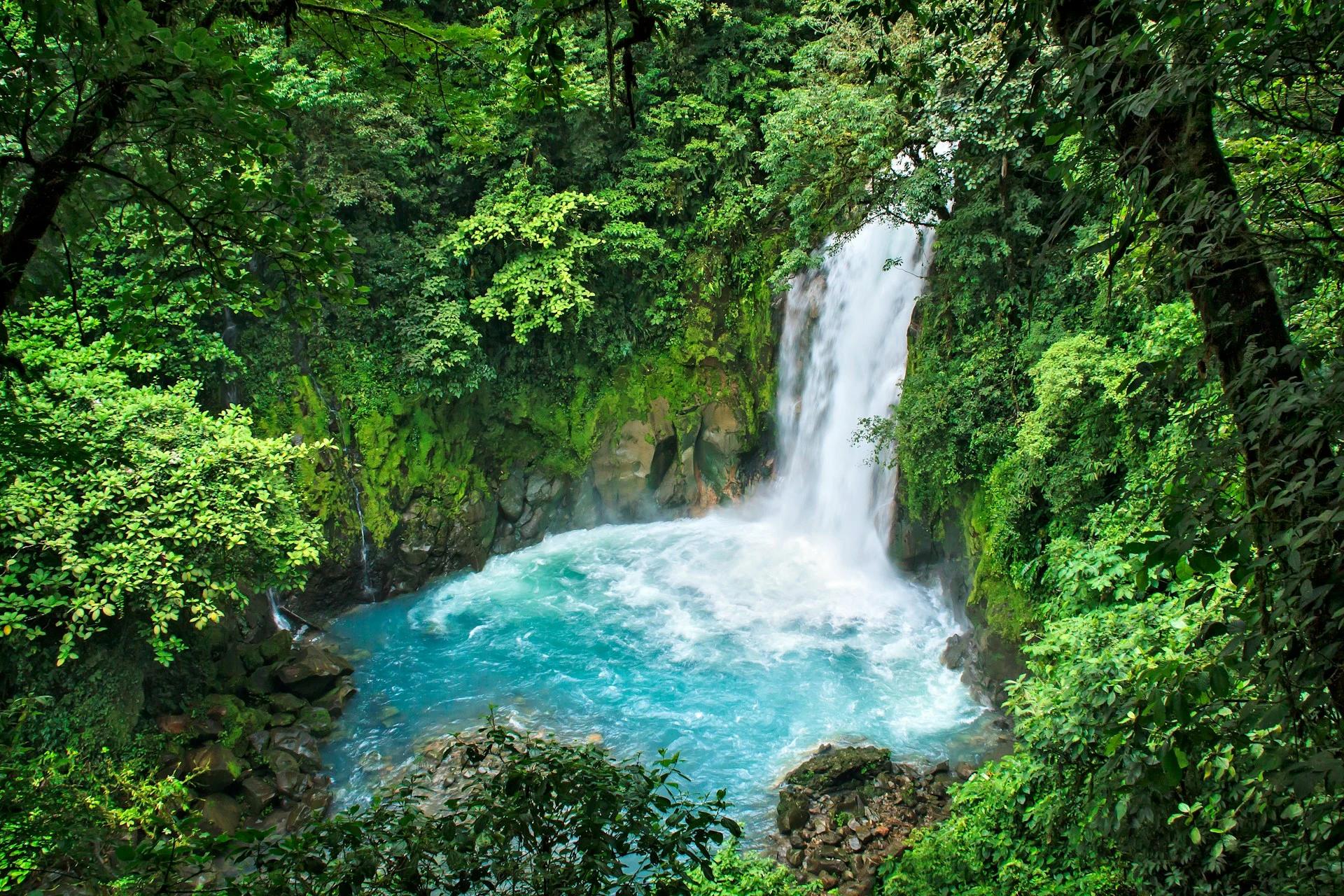
Go between January and April for the best odds at the Poás and Irazú craters, and take the earliest start you can in any month. Poás runs on timed online tickets, helmets and a 20-minute limit at the viewpoint, which makes an early slot more valuable than ever; our Poás rules guide has the details. In the green season, the payoff is the forest: La Paz Waterfall Gardens and the Orosi Valley are at their greenest, and the falls run fuller after the rains.
Adventure travelers
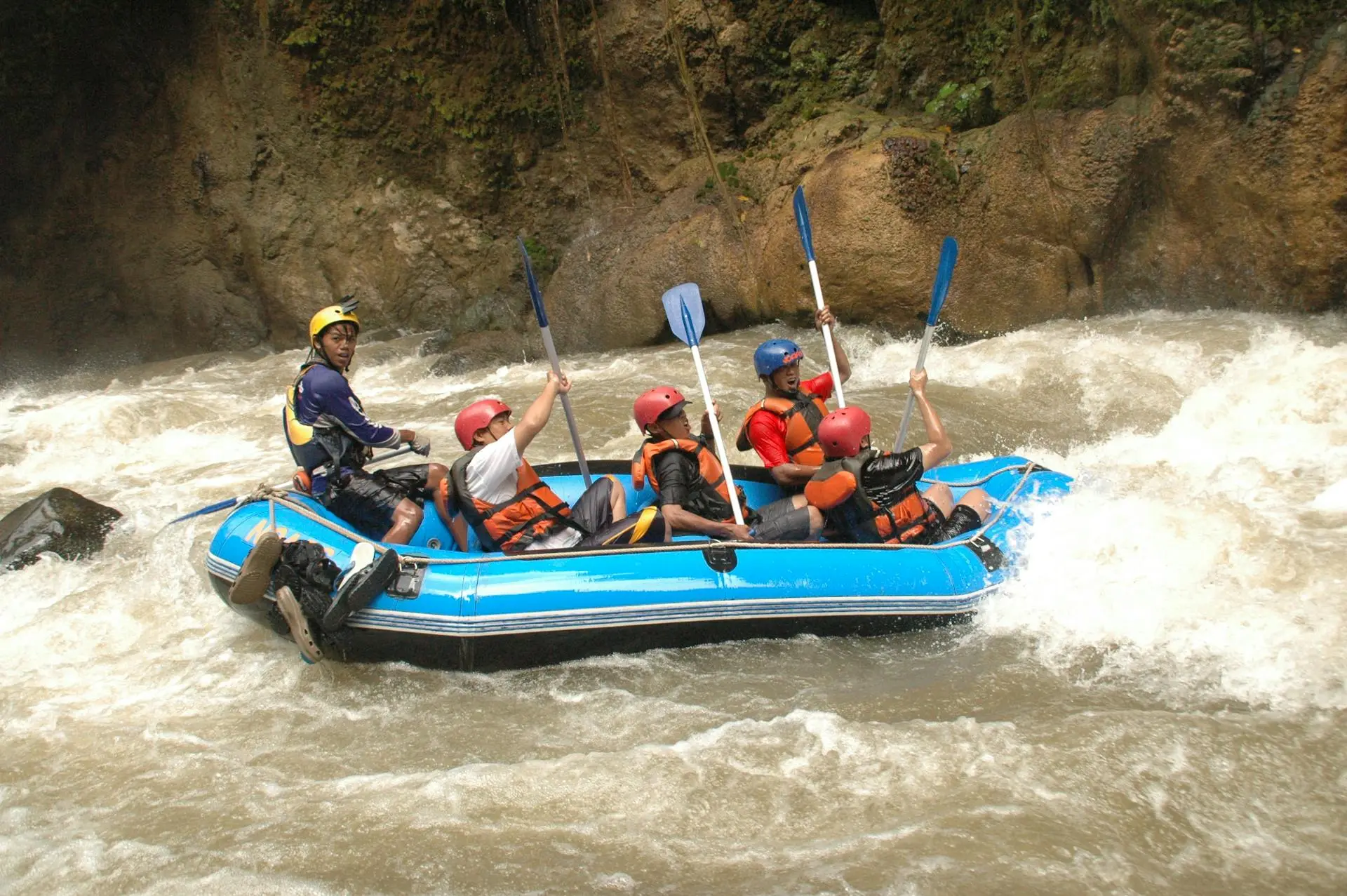
Rafting on the Pacuare River runs all year, but the river follows the Caribbean slope's weather, not San José's. Guests in March and April describe low, shallow water and tamer rapids, while after heavy rain operators can move groups to a calmer river such as the Pejibaye. If big water is the goal, avoid March and April, and in the wetter months keep a spare day in your plans.
San Jose Urban Tours: Bites and Sights Walking Food Tour
The one San José experience that works in every month. It runs Monday to Saturday all year, the walk between the Central and Borbón markets, the Cathedral and the National Theatre is short, and much of the time is spent indoors tasting fruit, a tamal and an empanada you make yourself, so green-season rain barely touches it. With a 4.8 rating from more than 1,900 reviews, it is the most-reviewed tour in our San José comparison, and the 10:00 and 11:30 starts fit neatly around an afternoon shower.
Book NowBest Time to Visit San José by Activity
Most San José trips are built around day trips, and each one has its own best window. Here is how the season affects the things people most often plan from the capital.
| Activity | Best Months | Why |
|---|---|---|
| Poás Volcano | Jan–Apr; early slots all year | Best odds of a clear crater; clouds build as the morning warms, and the viewpoint limit is 20 minutes. |
| Irazú & the Orosi Valley | Jan–Apr | Clearest summit mornings; guests describe cloud rolling in by late morning in any month. |
| La Paz Waterfall Gardens | Year-round; fuller falls May–Nov | The falls run fuller after the rains; trails are wet and the rain can be heavy. |
| Coffee tours | Nov–Jan | Harvest season: guests describe pickers in the fields and beans at every stage of processing. |
| Pacuare rafting | Year-round; lowest water Mar–Apr | Lower, tamer rapids in March and April; high water after heavy rain can move groups to another river. |
| Ziplines | Dec–Apr; mornings May–Nov | Dry platforms and long views; in the green season, book the first slot of the day. |
| City walks & food tours | Any month | Short distances and indoor markets; in the green season, start in the morning or carry an umbrella. |
| Arenal, Manuel Antonio & Tortuguero | Dec–Apr (Arenal, Manuel Antonio); Sep–Oct, Feb–Mar (Tortuguero) | The long day trips follow their own regions' weather; see the section below. |
Our take (the rainy-day plan): Keep one city day loose in the green season. If the forecast for the summit is poor, swap the volcano for a morning food walk and the museums, then move the crater to the next clear morning. Poás tickets are for a set date and time, so book with free cancellation where you can.
Day Trips from San José by Season
San José is the hub for most organised day trips in Costa Rica, and the season decides which ones are worth the drive. The Central Valley trips are short; the long ones head to regions with their own climate, so check each destination's weather as well as the capital's.
| Day trip | Best in | Why |
|---|---|---|
| Poás, Irazú & coffee farms (Central Valley) | Dry season; early start in any month | Short drives, so you can reach the crater before the cloud. In the green season, the morning is the only reliable window. |
| Pacuare rafting & Tortuguero (Caribbean slope) | Feb–Mar and Sep–Oct | The IMN's Caribbean climate study puts its relative dry spells in these months, with the heaviest rain in December to January and July. |
| Arenal & La Fortuna (Northern Zone) | Feb–Apr | The clearest volcano and driest trails; see our best time to visit La Fortuna guide. |
| Manuel Antonio, Jacó & Tortuga Island (Central Pacific) | Dec–Apr | Sunny, calm days on the coast; see our Manuel Antonio and Jacó timing guides. |
The long day trips mean around 12 hours away, with early pickups, so the weather at the destination matters more than in the city. The Arenal full-day trip runs daily, while the Manuel Antonio day trip we compare runs only on Mondays, Thursdays and Saturdays. If a two-hour drive each way feels like too much, it is often better to move on and stay a night or two: our San José to Manuel Antonio and San José to La Fortuna guides cover the transfers, and our day tours from San José guide compares the organised trips.
For a base, our best hotels in San José guide compares the city's neighbourhoods, and our hotels near San José airport guide helps if you land late or leave early, which many travelers do at the start and end of a Costa Rica trip.
Our take (the green-season swap): When the Pacific coast is at its wettest in September and October, the Caribbean side is in one of its relative dry spells. That makes those months the right time to point a San José day trip east, toward the Pacuare or Tortuguero, rather than west.
When to Avoid San José (and How to Work Around It)
No month is off-limits, but a few periods carry real downsides worth planning around.
- Holy Week (21 to 28 March 2027): Costa Ricans take their main beach holiday this week, so the city goes quiet and the coast fills. Holy Thursday (25 March) and Good Friday (26 March) are national holidays, and many shops and offices close. The day tours we checked still had departures, but book anything at the beach well ahead.
- Christmas to New Year: the city's food walk and the Poás full-day tour we checked had no availability on 25 December or 1 January. The days around Christmas are festive, with the Tope from Plaza Víquez to La Sabana announced for 26 December 2026, as CRHoy reported, but plan around the closures.
- Peak rain (September and October): rain falls on about 20 days a month, and the volcano summits are often in cloud by mid-morning. Work around it with early starts, city days in the afternoon, and a Caribbean day trip in place of a Pacific one.
- Afternoons in the green season: from May to November, the heaviest rain usually comes after lunch. Plan long drives and outdoor sights for the morning where you can.
- Weekend Poás slots in high season: with the park's daily cap cut to 1,064 visitors, tickets can be harder to get on weekends and holidays. Book your slot, or a tour that includes it, before you travel.
Every downside here has a workaround, whether it is a one-week shift away from a holiday, a morning-first plan for the rain or a weekday instead of a weekend. None is a reason to skip San José.
Our Take
The travelers who get the most from San José plan their mornings around the volcanoes and the long drives, and keep the city for the afternoons. Pick the dry season if crater views matter most, the green season if quiet and green forest matter more, and check the Costa Rican holiday calendar before booking either.
Tips for Timing Your San José Trip
- Pick the season by your day trips: dry season (December to April) for volcano views and Pacific beaches; green season (May to November) for quiet, waterfalls, bigger rapids and the Caribbean's September lull.
- Start early in every month: crater views and green-season weather are both best before late morning, so take the earliest Poás slot or tour pickup you can.
- Book Poás before you travel: tickets are sold only online for a set date and time, with a 20-minute limit at the viewpoint. Our Poás Volcano rules guide walks through the booking.
- Time a coffee tour for the harvest: November to January gives you pickers in the fields; see our coffee tour guide.
- Pack for the mountains: a warm layer and a rain jacket belong in your bag on any volcano day, even in the dry season.
- Watch the holiday weeks: Holy Week (21 to 28 March 2027) and Christmas to New Year bring closures in the city and full beaches on the coast.
- Catch a festival: the lantern parades on the evening of 14 September and Independence Day on 15 September cost nothing to watch, and the Festival de la Luz lights up the centre in December.
- Plan the whole visit: our best things to do in San José guide ranks the city's experiences and day trips, and our best time to visit Monteverde and Tamarindo guides help if you are heading on from the capital.
What We'd Choose
If we were booking our own San José trip, here is the month we'd pick against a single goal:
- First trip to San José: February, for the driest weather and the easiest conditions on every day trip.
- Volcano views: January to March, with an early Poás slot and an Irazú morning on separate days.
- Festive city: early December, for the Festival de la Luz and the start of the dry season.
- Green season with the best weather odds: July, during the canícula, though the mid-year school break brings local families.
- Culture and the Caribbean: September, for the Independence Day lantern parades and a Tortuguero or Pacuare day in the Caribbean's relative dry spell.
ℹ️ These are our editorial picks, weighing weather, crowds, events and how well each month suits the main day trips. Your best month depends on which of these goals matters most for your trip.
Where to Stay in San José
Staying in San José or planning a trip? Here are three well-reviewed hotels, with live prices from our booking system. Rooms at the best-rated hotels are usually the first to go, especially in peak season and over holidays, so it's worth locking in your stay before availability fills up.
Compare Live San José Hotel Prices
Live rates for a three-night stay for two adults, checking in about a month from now. Change the dates at checkout and book with instant email confirmation.
- Instant confirmation by email
- Live rates, not brochure prices
- Free cancellation on selected rates


Gran Hotel Costa Rica, Curio Collection By Hilton
The 1930 landmark on Plaza de la Cultura, next door to the National Theatre, restored under Hilton's Curio Collection. The most characterful room in this comparison at a mid-range rate.
Book now on:


Hilton San Jose La Sabana
One of the newest full-service towers in the city, on the edge of La Sabana park. The second-highest rate in this comparison, and the fullest set of hotel facilities behind it.
Book now on:
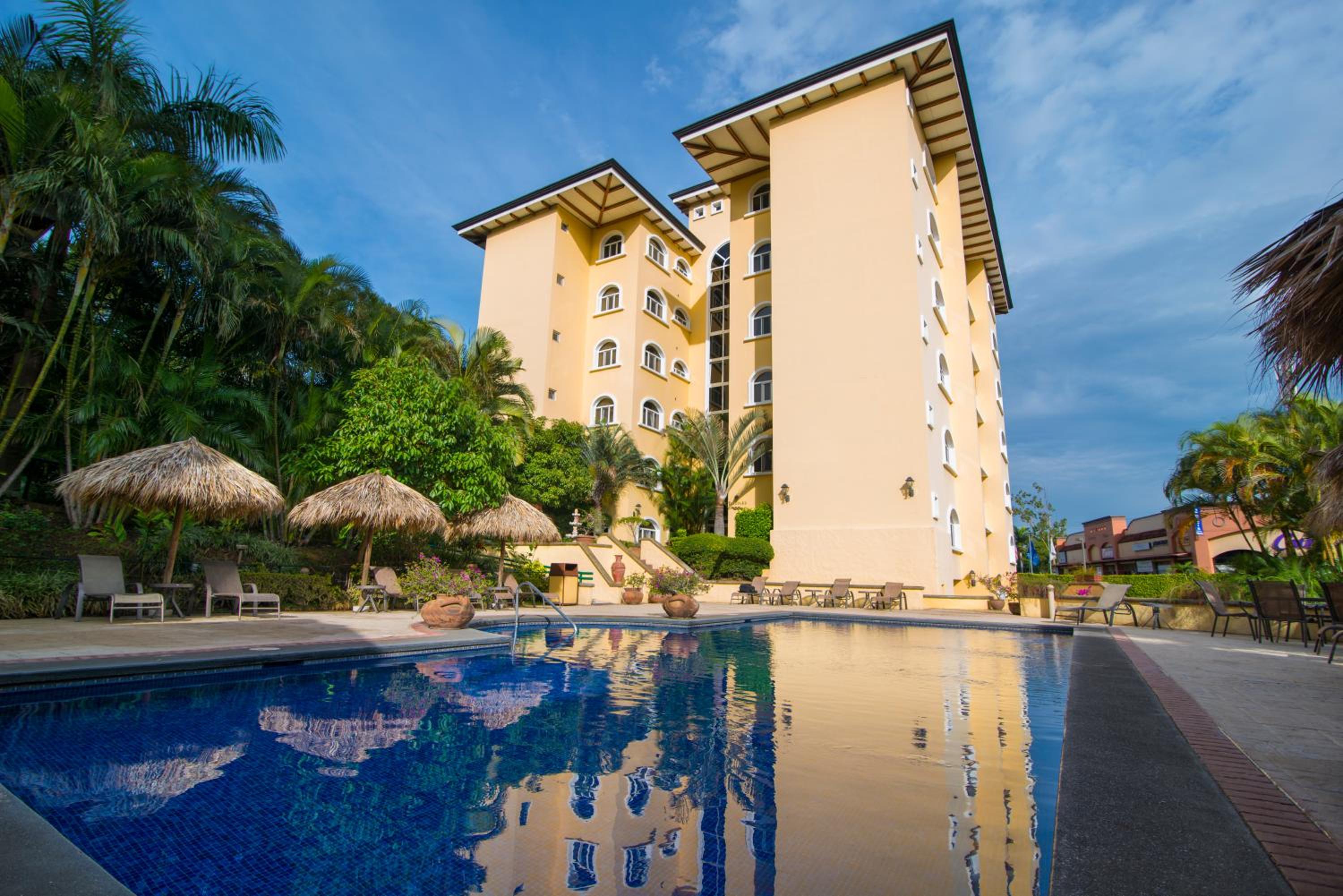

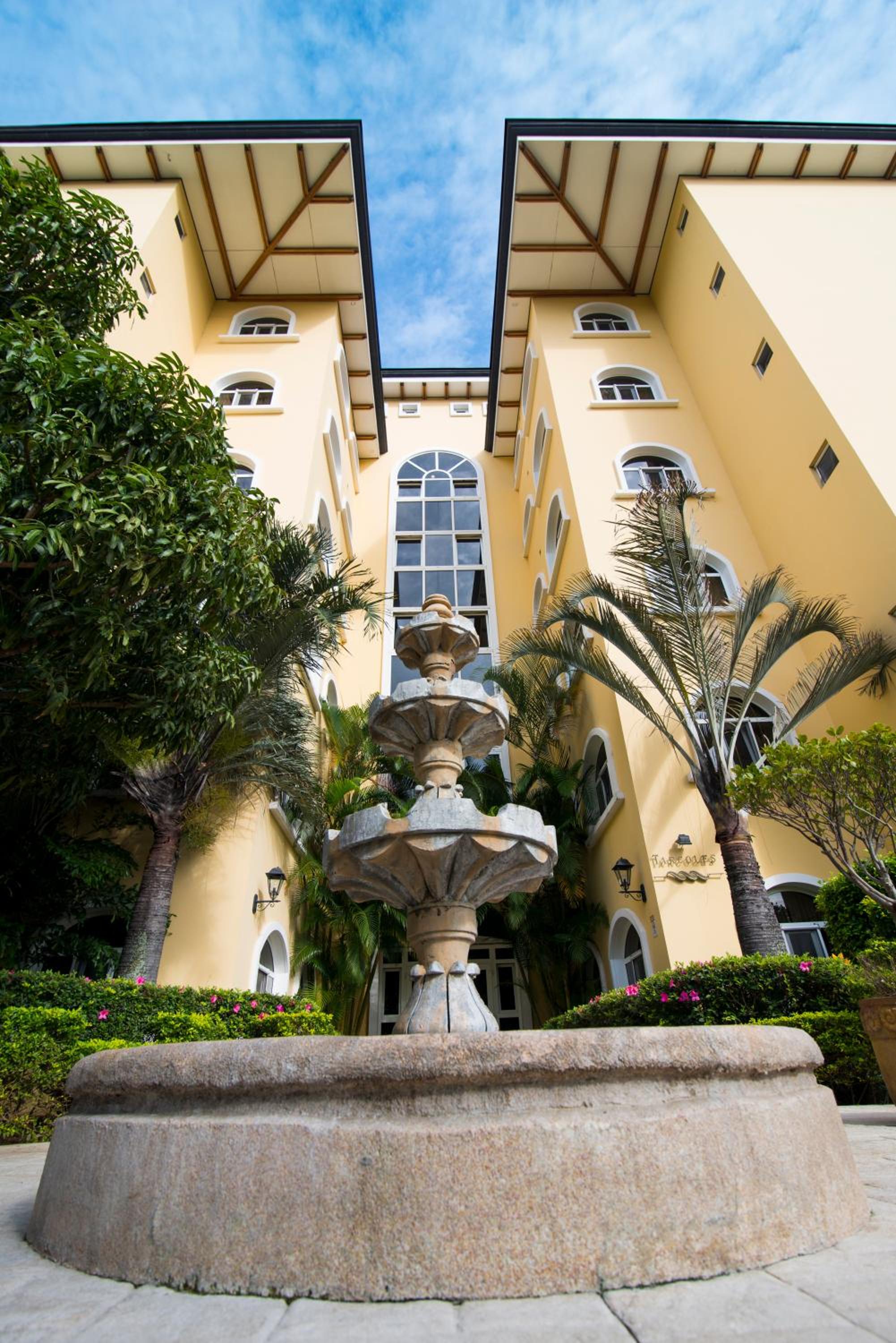
Apartotel & Suites Villas del Rio
Apartments with kitchens and a garden pool on the Escazu side, and the largest review base on this list at over 1,200 stays. Families and anyone staying a week land here.
Book now on:
Estimated nightly rate for a 3-night stay, 2 adults. Final price on Expedia or Booking.com.Room only. Local taxes and fees are added at checkout and can add roughly 20%.
How We Put This Guide Together
The Costa Rica Day Trip team built this guide from official climate records and our San José and day-trip guides. Rainfall, rain days and temperatures are World Meteorological Organization climate normals for 1991 to 2020 at Tobías Bolaños airport in Pavas, the official station within San José, published by NOAA's National Centers for Environmental Information. The seasonal pattern, the veranillo de San Juan and the canícula come from the climate studies of Costa Rica's National Meteorological Institute (IMN) for the Central Valley and the Caribbean slope; both dry spells vary from year to year. Volcano, coffee and rafting timing comes from SINAC's park information and from guest reviews on the tours we track; holiday and festival dates come from the Costa Rican calendar and published announcements for 2026 and 2027. Tour prices, schedules, ratings and review counts were checked live on November 9, 2026, including holiday dates. Conditions vary from year to year and Poás can close at short notice, so confirm tour schedules, park status and the weather outlook in the days before your trip.
Frequently Asked Questions
When is the best time to visit San José, Costa Rica?+
For the most reliable weather and the clearest volcano views, visit in the dry season, December to April, with January to March the driest months and February the pick. For a quieter green-season trip, July has the best weather odds thanks to the canícula. September and October are the wettest months, but also the quietest and the best time for day trips to the Caribbean side.
What is the best month to visit San José, Costa Rica?+
February is the best single month. The San José station averages about 14 mm of rain on one or two days, the morning air is at its clearest, and every day trip from the city, from Poás to the Pacific coast, runs in its easiest conditions. January and March are close behind, though March 2027 includes Holy Week.
When is the rainy season in San José, Costa Rica?+
The green (rainy) season runs from May to November, with September (about 296 mm) and October (about 290 mm) the wettest months. Mornings are usually bright and the rain builds in the afternoon. A short pause called the veranillo de San Juan can appear around 23 to 25 June, and the canícula brings fewer showers from roughly mid-July to early August.
How hot is San José, Costa Rica?+
San José's temperature barely changes through the year. At the official station in Pavas, average highs run from about 29°C to 31.5°C and lows from about 15.5°C to 17°C, with March and April the warmest months. The volcano summits nearby are much colder; SINAC gives the Poás summit an average of about 12°C.
When is the best time to see the Poás Volcano crater?+
The dry season, January to April, gives the best odds, but the time of day matters more than the month: clouds tend to build on the summit as the morning warms up. Book the earliest timed ticket you can, or an early-start tour, since visitors now get up to 20 minutes at the viewpoint.
Is San José, Costa Rica worth visiting in the rainy season?+
Yes, if you plan around the mornings. Green-season rain usually arrives in the afternoon, so volcano visits, coffee farms and ziplines work well early, while the markets, museums and food walks fill the afternoon. You also get the quietest months, fuller waterfalls and more water in the rivers for rafting.
What festivals are in San José, Costa Rica?+
Independence Day on 15 September, with lantern parades the evening before, is the cultural highlight of the year. In December, the Festival de la Luz parade is set for 12 December 2026, and the Tope horse parade was announced for 26 December 2026. On 1 to 2 August, pilgrims walk from San José and across the country to Cartago for the Romería.
When should I avoid visiting San José, Costa Rica?+
Avoid Holy Week (21 to 28 March 2027) and Christmas to New Year if you want everything open, since many businesses close and some tours do not run on 25 December or 1 January. September and October bring the most rain, so plan early starts if you visit then.
Affiliate note: Some links on this page are affiliate links. If you book through them, we may earn a small commission at no additional cost to you.