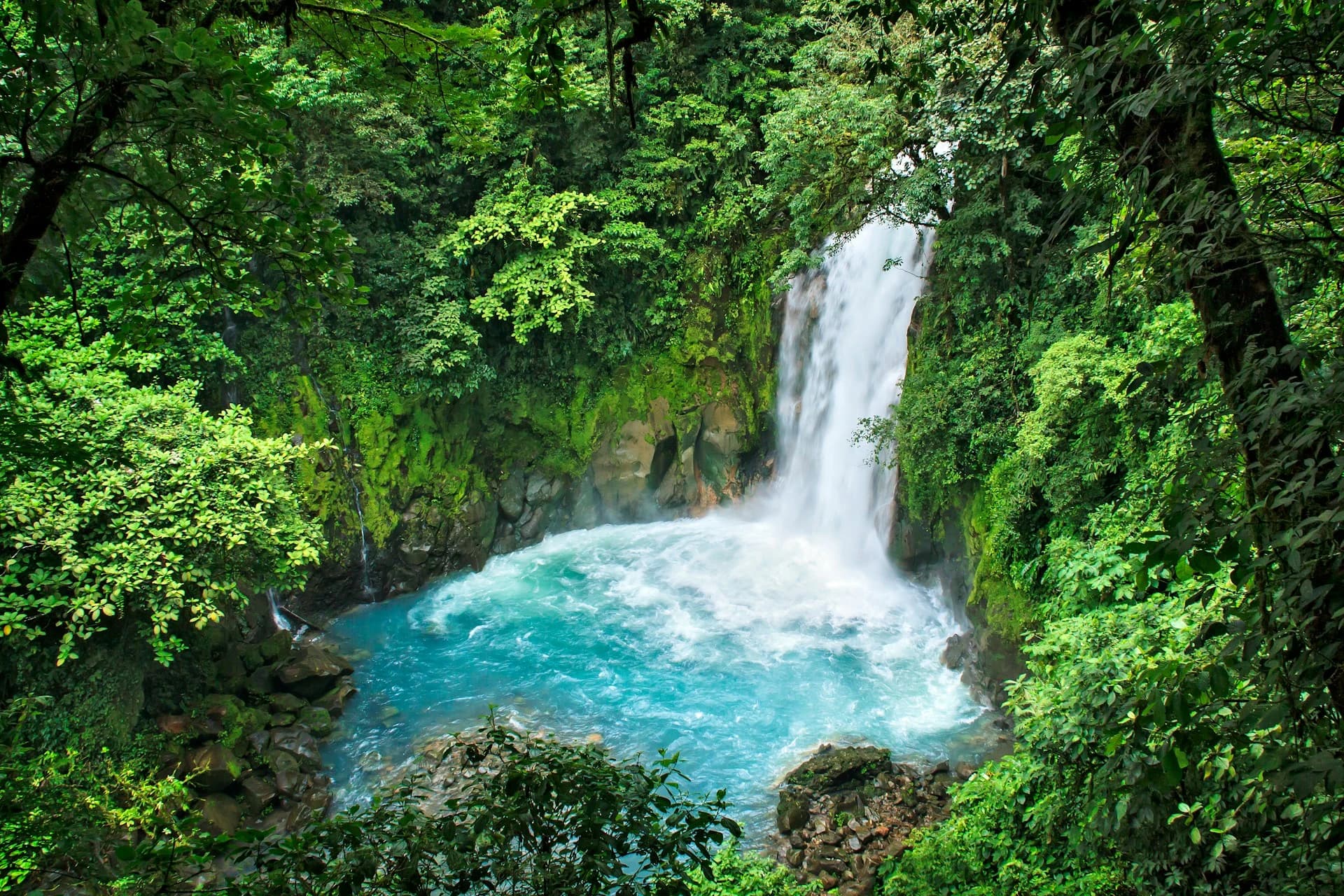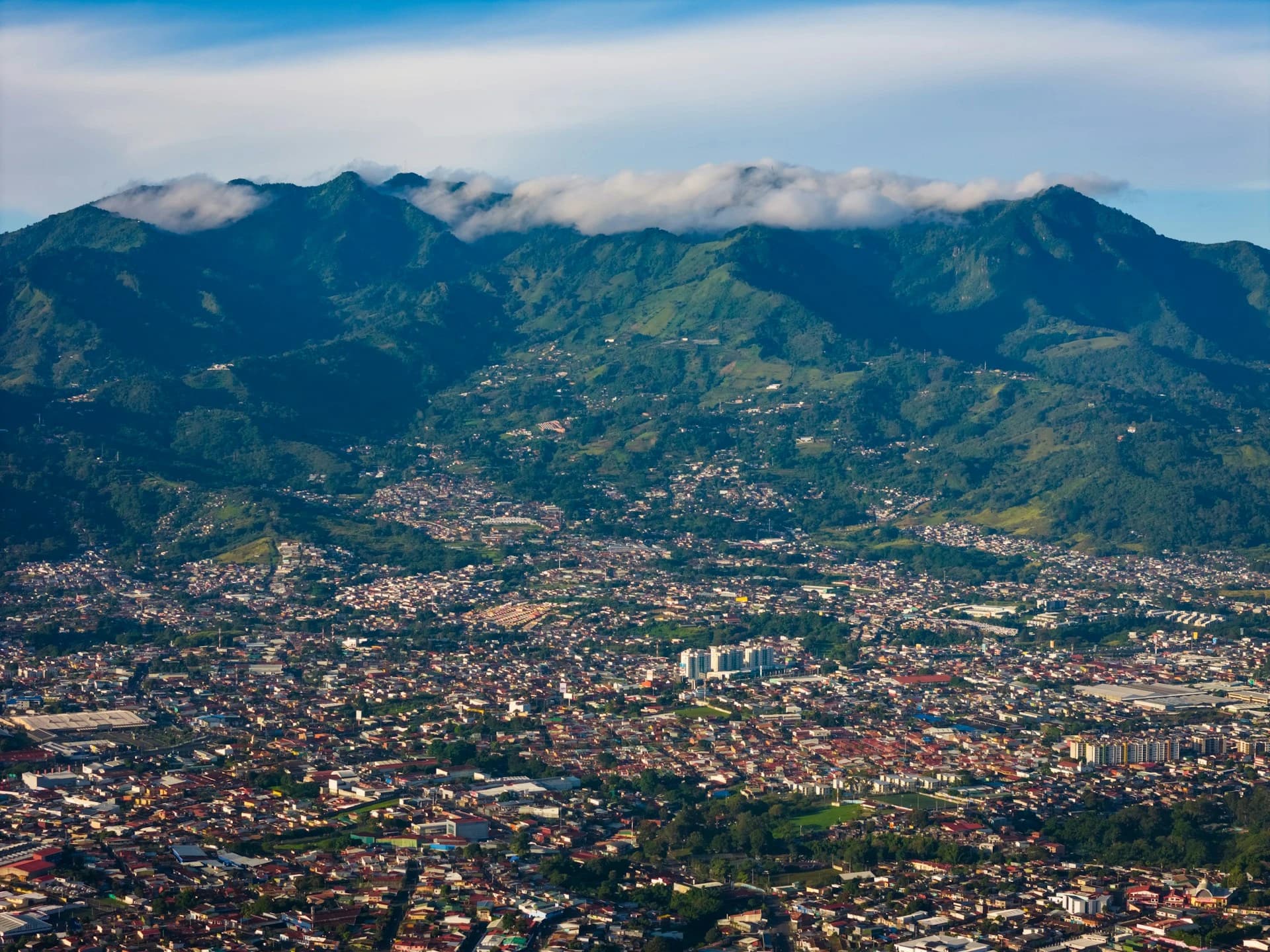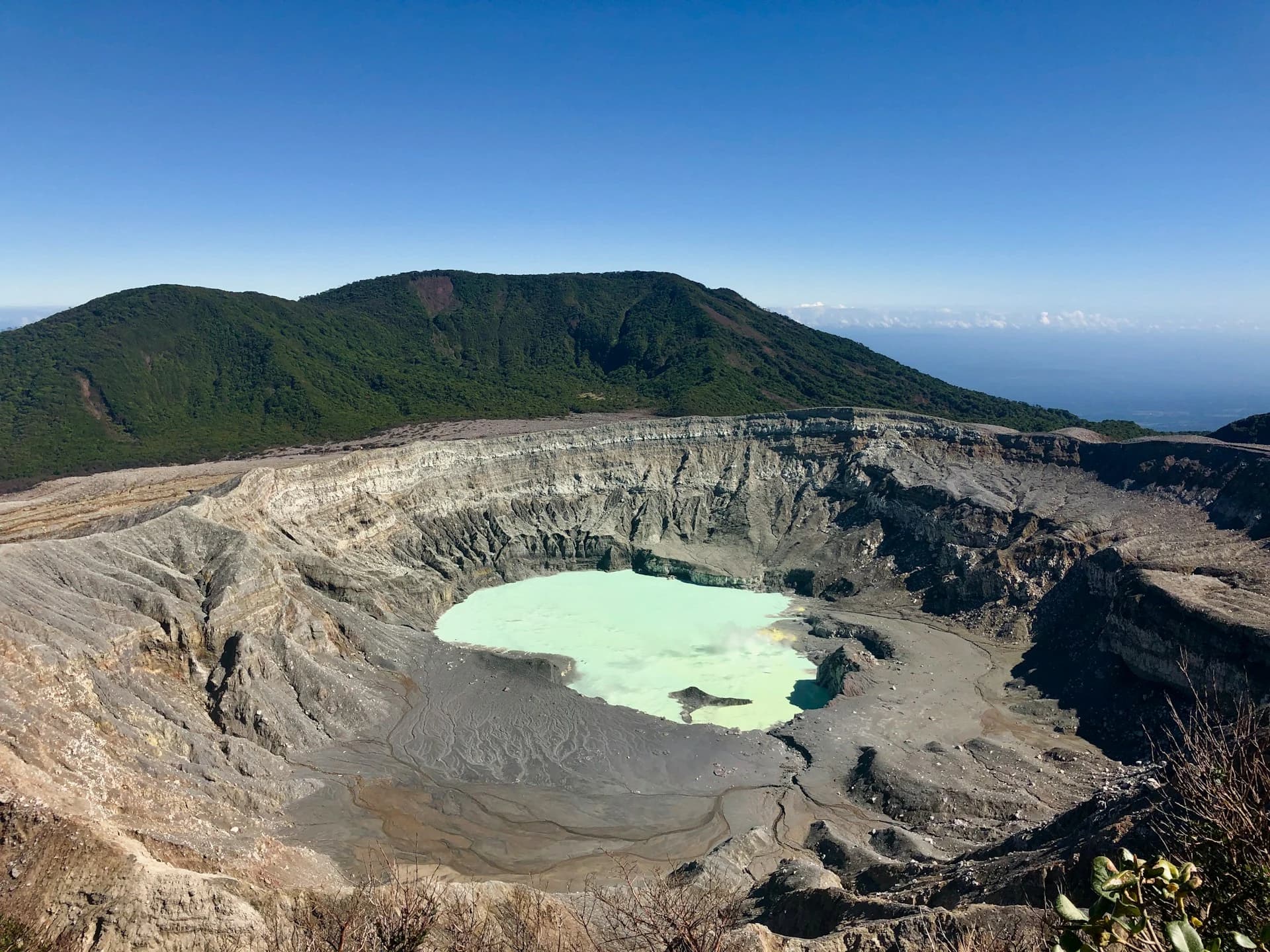
Poás Volcano National Park is open in October 2026, but under the tightest rules in a year: timed online tickets only, mandatory helmets, a cap of 1,064 visitors a day and 20 minutes at the crater viewpoint. Here is every rule, what to wear for the cold and rain, and how to time your visit around the clouds.
What You Should Know
- Poás Volcano National Park is open as of October 27, 2026, but under restrictions that MINAE and SINAC brought in on August 28, 2026, the day after an eruption threw rock about 600 metres from the crater. There is no end date, and the park can close at short notice.
- Tickets are sold only online through SINAC's reservation system, for a set date and entry time. Nothing is sold at the gate, and the daily cap has been cut from 2,052 to 1,064 visitors.
- Helmets are mandatory on the main trail to the crater viewpoint and on the Sombrilla de Pobre trail. Only 56 people can stand at the viewpoint at once, for up to 20 minutes.
- The summit sits at 2,708 metres, averages about 12°C and gets roughly 3,500 mm of rain a year, according to SINAC. Bring a warm layer and a rain jacket even when San José is hot and sunny.
Poás Volcano Rules: The Short Answer
⭐ The short answer: Yes, Poás Volcano National Park is open as of October 27, 2026, with tighter rules since August 28, 2026. You must book a timed ticket online with SINAC before you go, wear a helmet on the trails, and you get up to 20 minutes at the crater viewpoint. Daily visitors are capped at 1,064, and the park can close the same day if activity rises.
The Poás Volcano rules in force today are emergency measures, not the park's normal regime. After a strong eruption at 2:36 AM on August 27, 2026, Costa Rica's environment ministry (MINAE), acting through the national park service (SINAC), halved the daily capacity, made helmets compulsory and set a 20-minute window at the crater lookout. The national emergency commission (CNE) declared a green alert for the park the next day. The measures stay until monitoring by OVSICORI, the national volcano observatory, and the other agencies shows the risk has dropped.
The rules that never change still apply too: no leaving the marked trails, no pets, no smoking, no alcohol, and you carry out all your rubbish because there are no bins. This page walks through each rule, what to wear, and how to time your visit so 20 minutes at the rim is enough. If you are still choosing how to get there, our Poás Volcano tour guide compares the day trips, prices and what each one includes.
Is Poás Volcano Open? Status and Closures Since 2025
Poás is one of the most active volcanoes in Costa Rica, and the park has opened and closed several times in the past two years. Knowing that history helps you judge how much to rely on a booking.
The timeline
- March 2025: after renewed eruptions, the park reopened with helmets required at the viewpoint, 56 people at a time on the lookout and the trail from the viewpoint to Laguna Botos closed as a precaution.
- March 26 to July 30, 2025: the park was closed to visitors because of eruptive activity, and reopened on July 30 "as long as volcanic activity allows it", in the words of the reopening announcement.
- January 21 to 29, 2026: closed again, this time because the road bridge over the Quebrada Tigre in Poasito was structurally damaged. It reopened once the public works ministry (MOPT) allowed traffic back on, with a nine-tonne weight limit.
- August 27, 2026: an eruption at 2:36 AM threw hot rock across the crater floor, some of it about 600 metres from the crater. The park stayed open, and the current restrictions started the next morning.
- September and October 2026: OVSICORI has kept Poás at the "Advertencia" (warning) level, the second of four, and the Smithsonian's weekly volcano reports, citing OVSICORI, describe small eruptions continuing into late October.
Where things stand in late October 2026
We found no closure notice from SINAC or MINAE between August 28 and October 27, 2026, and guests on the day trips we track were still posting reviews of their crater visits in October 2026. SINAC's own park page lists daily hours of 8:00 AM to 4:00 PM with last entry at 2:00 PM, and its reservation system remains the only way in. Treat that as "open today", not a guarantee. OVSICORI scientists said after the August eruption that the volcano was "sealed and blocked" and that more eruptions in the same sequence could not be ruled out.
Two habits protect your plans. Check SINAC's reservation site and OVSICORI's live crater camera the evening before. And if you book a tour, pick one with free cancellation and ask what happens if the park closes: most full-day trips continue to the coffee farm and La Paz Waterfall Gardens, and some refund the park fee.
Most Popular Tours
Do You Need a Reservation for Poás Volcano?
Yes. Poás Volcano tickets are sold only online, through SINAC's reservation system at serviciosenlinea.sinac.go.cr, and SINAC's park page says access is granted "just by the booking system". Rangers do not sell tickets at the gate, so a walk-up visit ends at the car park.
How the booking works
- Create an account first. You register on the SINAC portal, choose Parque Nacional Volcán Poás, then pick a date and an entry time.
- Name every visitor. Travel guides that walk through the 2026 checkout report that each ticket carries a name and passport number, that one purchase is limited to 10 tickets, and that names cannot be changed later. We could not see these terms without logging in, so check them as you book.
- Arrive in your slot. Your ticket is for a set entry time. Sources disagree on how long each slot is, so go by the time printed on your ticket.
- Book early for weekends. With the cap cut to 1,064 a day, the Tico Times warned that tickets may be harder to get, especially on weekends and holidays.
- Weather is not a refund reason. Fog and rain are part of the deal. If SINAC closes the park on your date, follow the instructions it sends by email.
As of October 27, 2026, SINAC's park page lists non-resident adults (13 and over) at $16.95 and non-resident children (2 to 12) at $5.65, both including VAT, with parking paid by card at the gate. Most full-day tours include the ticket and book your slot for you, which is the easiest way around the reservation system; our Poás Volcano tour comparison lists which ones include the park fee.
Poás Volcano Rules: What's Allowed and What's Banned
Here is what applies inside the park in October 2026, from SINAC's park page, the August 2026 MINAE measures and Costa Rica's national parks law. Where the official sources say nothing, we say so.
| Rule or item | Allowed? | What to know |
|---|---|---|
| Entry without a booking | No | Tickets are sold only online through SINAC. Nothing is sold at the gate. |
| Helmets | Required | On the main trail to the crater viewpoint and on the Sombrilla de Pobre trail, since August 28, 2026. |
| Time at the crater viewpoint | Up to 20 minutes | A maximum of 56 people at the lookout per 20-minute period. |
| Leaving the marked trails | No | Banned by SINAC. Entering closed areas such as the Los Quemaderos sector can bring a fine of about 1.39 million colones under Law 10,861 (in force since April 30, 2026). |
| Drones | Not without permission | We found no published Poás drone rule. Do not fly without written SINAC authorization (see below). |
| Pets | No | SINAC bans domestic animals and pets. Some tour listings note that service animals are allowed; confirm with the park first. |
| Smoking and vaping | No | Smoking is banned under Costa Rica's tobacco law (Law 9028). |
| Alcohol and drugs | No | SINAC bars entering drunk and using drugs inside the park. |
| Rubbish | Carry it out | There are no bins in the park. Take every wrapper and bottle back with you. |
| Taking rocks or plants | No | SINAC bans removing stones, plants or any other natural resource. |
| Food and water | Yes | SINAC's rules do not ban snacks or water. The water on site is not drinkable, so bring your own, and there is a cafeteria at the visitor centre. |
| Strollers | Generally yes | Several tour listings say infants can ride in a stroller. The crater path is smooth but climbs gently. |
ℹ️ Rules checked against SINAC's Poás park page, MINAE's August 27, 2026 measures and Costa Rican press on October 27, 2026. Emergency measures can change overnight, so follow the rangers on the day.
The fine is the rule most visitors underestimate. Law 10,861, which reformed the national parks law, sets fines in multiples of the official base salary for anyone entering restricted zones, with higher fines for guides and operators who take them there and a one-year ban from national parks for repeat offenders. Press reports give the tourist fine as three base salaries, ₡1,386,600, though one outlet printed ₡1,306,600. In April 2026, before the law took effect, rangers stopped 30 people in the closed Los Quemaderos sector during an Easter patrol and referred a repeat offender to prosecutors.
How Long Can You Stay at the Poás Crater Viewpoint?
Up to 20 minutes. Since August 28, 2026, MINAE allows a maximum of 56 people at the crater viewpoint during each 20-minute period, to cut exposure time and keep groups moving. The 56 figure matches the capacity of the concrete ballistic shelters at the lookout, which is the same limit SINAC used during the 2025 measures. At least one tour operator's listing now builds its Poás stop around "20 minutes to enjoy the impressive main crater".
Twenty minutes can feel short when the crater is hidden. Guests on recent full-day tours describe the same pattern again and again: you reach the rail, see a wall of white, and then the cloud tears open for a minute or two. One guest in July 2026 put it simply: "The key to seeing the volcano is patience. You must wait for the clouds to move." Use your window like this:
- Have your camera ready before you reach the rail. Clear moments can last under a minute.
- Stay near the front for the full 20 minutes rather than taking photos and leaving. On a cloudy day, the view often opens late in the window.
- Know where the shelters are. The bilingual signs installed by the CNE explain what to do if there is an eruption, rockfall or a gas alarm. If rangers tell you to move, move.
- Leave early if the gas bothers you. A sulphur smell, a scratchy throat or stinging eyes mean it is time to walk back, whatever the clock says.
The walk itself is short. One guest who timed it in February 2026 reported about 700 metres one way from the car park to the crater on a slight incline, so allow 15 to 20 minutes each way at altitude, plus queuing if the lookout is full.
What to Wear to Poás Volcano
For what to wear to Poás Volcano, dress for a cold, wet mountain, not a tropical beach: a warm layer, a waterproof jacket, closed shoes with grip and a cap. There is no dress code, but the weather at the summit is the real rule-maker.
SINAC describes the park as "a cold climate tempered by a faint drizzle that most of the year is imposed". Recent guests agree. One July 2026 visitor wrote that "You are sitting in the clouds at approximately 8000 ft. It is damp", and a guest on a mid-2026 trip noted the cool, "sulfur-tinged air" on the trail. Layers matter because the day swings: warm in the van, cold and wet at the rim, then humid at the lower-altitude waterfall gardens.
The helmet rule adds one practical point. A beanie or a cap with a soft brim fits under a helmet; a wide sun hat does not. We could not confirm whether the park lends helmets or whether you need to bring your own, so if you are visiting without a tour, ask SINAC when you book. If you are on a tour, ask your operator the day before.
Warm jacket or fleece
SINAC puts the average temperature at about 12°C at 2,708 metres, and the wind at the rim makes it feel colder. Bring a fleece or light down jacket even if you leave San José in a T-shirt.
Waterproof jacket or poncho
The park averages about 3,500 mm of rain a year and SINAC recommends coats and capes on cloudy days. A packable rain jacket beats an umbrella, which is awkward with a helmet on.
Closed shoes with grip
SINAC asks for closed walking shoes. The crater path is smooth but damp, and guests describe the old Botos trail as steep. Trainers or light hiking shoes work; sandals do not.
Cap and sunscreen
On clear days the high-altitude sun is strong. SINAC lists a cap and sunscreen as required on sunny days. A cap with a soft brim fits under a helmet better than a wide hat.
Small daypack
Carry water, a snack and a bag for your rubbish, since there are no bins and the tap water is not drinkable. Keep it light for the climb back up at altitude.
Spare socks and a dry top
Most full-day tours add La Paz Waterfall Gardens, where guests warn that when it rains, it pours. A dry change for the drive home makes the day far more comfortable.
Best Time of Day to See the Poás Crater (and Beat the Clouds)
The best time of day to see the Poás crater is as early as your ticket allows, ideally your first entry slot after the 8:00 AM opening. Clouds tend to build on the summit as the morning warms up, and by midday the crater is often hidden. That is a pattern, not a law: SINAC itself warns that the weather at the viewpoints changes constantly and there is never certainty the main attractions will be clear.
The reviews tell the same story from both directions. Guests who reached the rim early in the morning tend to report clear views. Others on cloudy days describe the crater appearing for "a couple of minutes" before closing in again, and one January 2026 guest summed it up: "no matter how beautiful it might be in San Jose", the summit can be shrouded in mist. A guest on a half-day trip in January 2026 complained that a breakfast and gift-shop stop on the way up meant reaching the rim as the cloud built.
How to stack the odds
- Book the earliest slot you can. If you drive yourself, the road from Alajuela to the park takes about an hour, and you need to be at the gate for your entry time.
- Ask a tour what order it runs. Many full-day tours visit a coffee farm before the volcano. That is pleasant, but it means a later arrival at the rim. Tours with very early pickups, like the 5:30 AM start on Expediciones Tropicales' Doka trip, give you a better chance.
- Watch the live camera. SINAC links to OVSICORI's live crater webcam. A look the evening before and early on the day tells you whether the summit is clearing.
- Prefer the dry season, but do not count on it. December to April gives the best odds. Our Poás Volcano tour guide covers the month-by-month picture, and in the reviews we read, early mornings matter more than the month.
Our take (the 20-minute rule changes the maths): Before August 2026 you could wait out the cloud at the rim; one guest in June 2026 waited about 20 minutes for it to clear. With a 20-minute cap you no longer have that cushion, which makes an early slot more valuable than ever. If seeing the crater is the point of your day, we would choose an early-start tour over one with the most stops.
Most Popular Tours
Can You Hike to the Botos Lagoon? Trails Open in 2026
Probably not right now, and you should not plan around it. The August 28, 2026 measures name only two trails as open: the main trail to the crater viewpoint and the Sombrilla de Pobre trail, a short cloud-forest loop named after the giant "poor man's umbrella" leaves (Gunnera insignis) that grow beside it. Both require a helmet.
Laguna Botos is an old, dormant crater about 400 metres across, filled with a cold, green lake, and before the 2025 measures it was the classic second walk of a Poás visit. Its status has flipped several times:
- The March 2025 measures closed the trail from the viewpoint to Botos as a precaution.
- Guests on one of the full-day tours describe walking to the lagoon from March to August 2026. One in March 2026 said it was about 15 minutes beyond the crater, others described a well-kept but steep path, and a February 2026 guest on another tour put it at about 1 km each way beyond the crater.
- Since August 28, 2026, the official list of open trails no longer includes it. SINAC's English-language park page also marks Laguna Botos as "(Currently closed)", although that note is not dated and the Spanish page does not repeat it.
So as of October 27, 2026, treat Botos as closed unless a ranger tells you otherwise on the day. Some tour listings still mention a hike to the lagoon; that text was written before the August measures. If the lagoon matters to you, ask your operator directly before you book. And when it does reopen, note that the climb is steep and at over 2,700 metres. A guest on a February 2026 trip warned that anyone with mobility restrictions "should think twice about going to the lagoon".
Children, Pregnancy and Breathing Conditions at Poás
There is no minimum age to enter Poás Volcano National Park. SINAC sells children's tickets for ages 2 to 12, and under-2s go free. We also found no current SINAC rule that bars pregnant visitors or people with asthma or heart conditions. That does not make the summit easy on everyone, and three things deserve a second thought.
Altitude and cold
At 2,708 metres the air is thinner, and walks that look short feel harder, especially on the way back up. Guests on one of the full-day tours describe "some elevation gain" and say the extra climbs are fine for most people, "but if you have mobility or breathing issues... Maybe not."
Volcanic gas
The crater gives off sulphur dioxide and other gases, and the park has closed in the past when emissions rose. Gas is the main reason for the 20-minute limit. People with asthma, COPD or heart conditions are generally more sensitive to these gases, so talk to your doctor before you go and leave the rim at once if your chest tightens or your eyes and throat sting.
What tour operators say
Some operators set their own limits. Expediciones Tropicales' Doka, Poás and La Paz tour states it is "Not recommended for pregnant travelers" or for travelers with poor cardiovascular health, and Willy Tours CR's similar day trip carries the same cardiovascular note. AssistTours' full-day trip, by contrast, accepts infants from age 1 and notes that small children can ride in a stroller.
Children and helmets
We could not confirm whether child-size helmets are available at the park. If you are travelling with young children, ask SINAC or your tour operator before the day. Strollers cope with the smooth crater path, but carry a warm layer and a rain cover: small children get cold fast at the rim.
Drones, Photos and Video at Poás
Do not fly a drone at Poás without written permission. We could not find a published SINAC rule on drones for this park as of October 2026, which is different from saying they are allowed. Costa Rica's civil aviation authority (DGAC) regulates every drone flight in the country under a 2018 decree that sets height limits and bans flights over crowds, and SINAC controls activity inside protected areas. A crowded viewpoint, ballistic shelters and an active crater are exactly the setting where rangers will stop you. If you have a commercial or research reason to fly, apply to SINAC and the DGAC well in advance.
Ordinary photos and phone video are fine everywhere you are allowed to walk. The practical limits are the 20-minute window and the cloud, not any camera rule. A small lens cloth earns its place: drizzle and condensation fog up lenses quickly at the rim.
Tips for Visiting Poás Under the 2026 Rules
- Check the status the night before. Look at SINAC's reservation site and OVSICORI's crater camera. Closures in 2025 and 2026 came with little warning.
- Book a refundable tour, or a ticket you can afford to lose. Most full-day tours we list offer free cancellation up to 24 hours before. SINAC does not refund park tickets for bad weather.
- Choose an early entry slot. Your best chance of a clear crater is in the morning, and the 20-minute cap means you cannot wait out the cloud at the rim.
- Pack for cold and rain, and bring water. The water on site is not drinkable, and there are no bins for your empties.
- Keep your passport details handy. Travel guides report that tickets are issued by name and passport number.
- Pair it with something weatherproof. La Paz Waterfall Gardens, about 45 minutes away by road, or a coffee farm on the slopes, means a cloudy crater does not ruin your day. Guests consistently rate La Paz as a highlight even when the volcano hides.
- Sleep near the airport if you drive. Alajuela is the closest base to Poás. Our hotels near San José airport guide covers places to stay for an early start, and our best hotels in San José guide covers the capital.
Let a Guide Handle the Rules: Compare and Book
A guided day trip takes the reservation system, the entry slot and the drive off your hands, and pairs the crater with stops that still work when the summit is clouded in. AssistTours' full-day coffee, Poás and La Paz Waterfall Gardens trip is rated 4.9 across 822 reviews, from $185 per person with both park fees and lunch included. The trade-off: it visits the coffee farm first, so you reach the crater later in the morning than the early-start tours, and its listing still mentions a Botos Lagoon hike that the August 2026 measures have taken off the open-trail list. For the full side-by-side of formats, prices and inclusions, see our Poás Volcano tour comparison.
Guided Ways to Visit Poás Under the New Rules
Seven guided options from San José, all rated 4.5 or higher with at least 50 reviews and recent guest feedback. Six are full days that pair the crater with a coffee farm and La Paz Waterfall Gardens or a waterfall stop, which keeps the day worthwhile if the summit clouds over. Destiny Travel's half-day trip is the shortest, back by early afternoon, and Expediciones Tropicales' 5:30 AM start is the earliest pickup we found. Check each listing for whether the park fee is included; several include it, and one leaves it unclear.
Poás is one of several classic day trips from the capital. Our guide to Costa Rica tours from San José compares them all, and our San José city tour guide covers a lighter first day. Heading on to Arenal next? Our San José to La Fortuna guide covers the transfer, and our Arenal volcano hike guide covers the volcano you can walk on.
Most Popular Tours
Where to Stay in San José
Staying in San José or planning a trip? Here are three well-reviewed hotels, with live prices from our booking system. Rooms at the best-rated hotels are usually the first to go, especially in peak season and over holidays, so it's worth locking in your stay before availability fills up.
Compare Live San José Hotel Prices
Live rates for a three-night stay for two adults, checking in about a month from now. Change the dates at checkout and book with instant email confirmation.
- Instant confirmation by email
- Live rates, not brochure prices
- Free cancellation on selected rates


Gran Hotel Costa Rica, Curio Collection By Hilton
The 1930 landmark on Plaza de la Cultura, next door to the National Theatre, restored under Hilton's Curio Collection. The most characterful room in this comparison at a mid-range rate.


Hilton San Jose La Sabana
One of the newest full-service towers in the city, on the edge of La Sabana park. The second-highest rate in this comparison, and the fullest set of hotel facilities behind it.
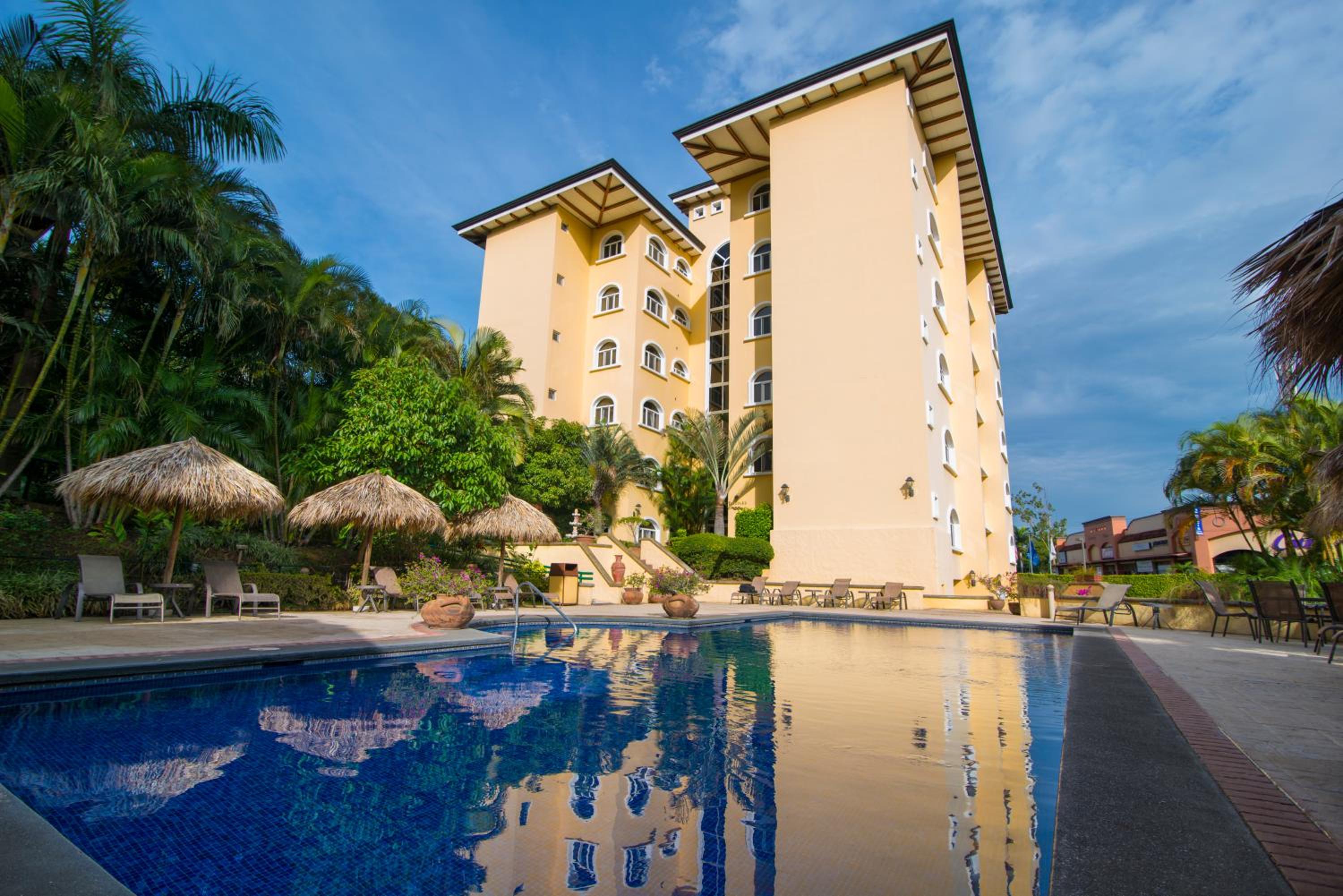

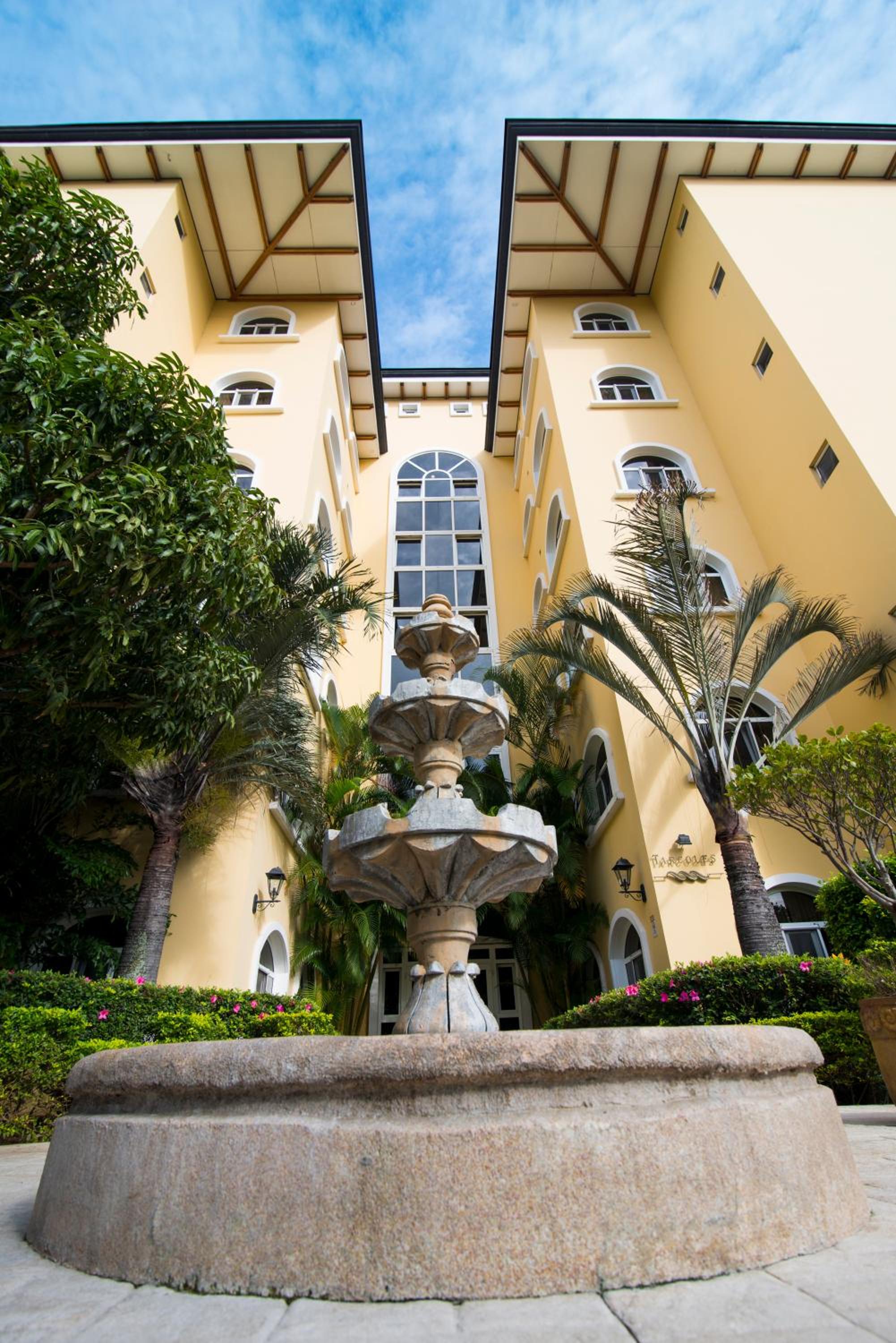
Apartotel & Suites Villas del Rio
Apartments with kitchens and a garden pool on the Escazu side, and the largest review base on this list at over 1,200 stays. Families and anyone staying a week land here.
Indicative nightly rate for a 3-night stay, 2 adults. Live pricing at checkout.Room only. Local taxes and fees are added at checkout and can add roughly 20%.
Search all resorts & dates →How We Researched This Guide
We built the rules on this page from primary sources first: SINAC's Poás Volcano National Park page (hours, fees, banned activities and visitor recommendations, read on October 27, 2026) and MINAE's measures of August 27, 2026, as reported by CRHoy, Delfino and the Tico Times. For closures we used Costa Rican press reports from 2025 and 2026, including the January 2026 bridge closure and the April 2026 Los Quemaderos patrol. Where the official sources are silent (helmet supply, drones, health advice), we say so in the text rather than guess.
For what the visit actually feels like (the cold, the cloud, the walk, the Botos trail) we read more than 750 guest reviews across seven Poás day trips, including more than 350 posted between January and October 2026. Tour ratings, prices and inclusions come from live listing data checked on October 27, 2026, and every tour shown has a rating of 4.5 or more, at least 50 reviews and reviews from the last six months. Volcanic conditions change fast, so confirm the park's status with SINAC before you travel.
Frequently Asked Questions
Is Poás Volcano open right now?+
Yes. As of October 27, 2026, Poás Volcano National Park is open under restrictions MINAE and SINAC introduced on August 28, 2026, after an eruption: online tickets only, helmets on the open trails, 20 minutes at the crater viewpoint and 1,064 visitors a day. The park closed for months in 2025 and can close at short notice, so check SINAC the day before.
Do you need a reservation for Poás Volcano?+
Yes. Tickets are sold only online through SINAC's reservation system for a set date and entry time, and nothing is sold at the gate. Book a few days ahead for weekends and holidays, since the daily cap was cut to 1,064 visitors in August 2026. Most guided day trips book the ticket for you.
How long can you stay at the Poás crater viewpoint?+
Up to 20 minutes. Since August 28, 2026, a maximum of 56 people can stand at the crater viewpoint during each 20-minute period, to limit exposure to volcanic gas and keep groups moving. Have your camera ready, because on cloudy days the crater may only clear for a minute or two.
Do you have to wear a helmet at Poás Volcano?+
Yes. Helmets are mandatory on the main trail to the crater viewpoint and on the Sombrilla de Pobre trail under the measures in force since August 28, 2026. We could not confirm whether the park lends helmets, so ask SINAC when you book or ask your tour operator the day before.
What should I wear to Poás Volcano?+
A warm fleece or jacket, a waterproof layer, closed shoes with grip and a cap. SINAC puts the average temperature at about 12°C at 2,708 metres, with drizzle much of the year. A soft cap or beanie fits under the mandatory helmet better than a wide sun hat.
What is the best time of day to see the Poás crater?+
Early morning. Clouds usually build on the summit as the day warms, so book the earliest entry slot you can after the 8:00 AM opening. December to April gives the best odds, but even then the view can close in within minutes, and the 20-minute limit means you cannot wait long at the rim.
Can you hike to the Botos Lagoon at Poás?+
Do not count on it. The August 28, 2026 measures list only the main crater trail and the Sombrilla de Pobre trail as open, and SINAC's English park page marks Laguna Botos as closed. Guests walked to the lagoon earlier in 2026, so it may reopen; ask a ranger or your operator.
Can you fly a drone at Poás Volcano?+
Not without written permission. We found no published SINAC drone rule for Poás as of October 2026, but SINAC controls activity in protected areas and Costa Rica's civil aviation authority regulates all drone flights. Apply to both well in advance if you have a professional reason to fly.
Affiliate note: Some links on this page are affiliate links. If you book through them, we may earn a small commission at no additional cost to you.