You cannot walk Playa Grande at night to look for turtles on your own: the nesting beaches of Las Baulas National Marine Park close after dark. Here are the rules for lights, phones, clothing and hatchlings, which beaches the guided walks use instead, how rare leatherbacks really are now, and how Ostional's arribadas differ.
What You Should Know
- The nesting beaches of Las Baulas National Marine Park (Playa Grande, Ventanas, Langosta and Carbón) are closed to the public at night, so you cannot look for turtles there on your own.
- The guided night walks sold in Tamarindo work beaches north of the park, about 40 minutes away, and the turtle you are most likely to meet is the Pacific green, not the leatherback.
- Leatherbacks are now very rare here. The local conservation group SOS Grande counts only 2 to 8 nesting females a season across the whole park, against about 1,500 in 1988 to 1989.
- On the beach the rules are simple: no flash, no white light, phones dark, stay behind the turtle and never touch her or a hatchling. Wear dark clothes and closed shoes for the trail.
Can You See Turtles Nesting in Tamarindo Without a Tour?
⭐ The short answer: No, not on the protected beaches. Playa Grande and the other nesting beaches of Las Baulas National Marine Park close at night, from 6:00 PM to 5:00 AM, so there is no legal way to walk them after dark alone. To watch a turtle nest near Tamarindo, you go with a licensed guide to a beach outside the park.
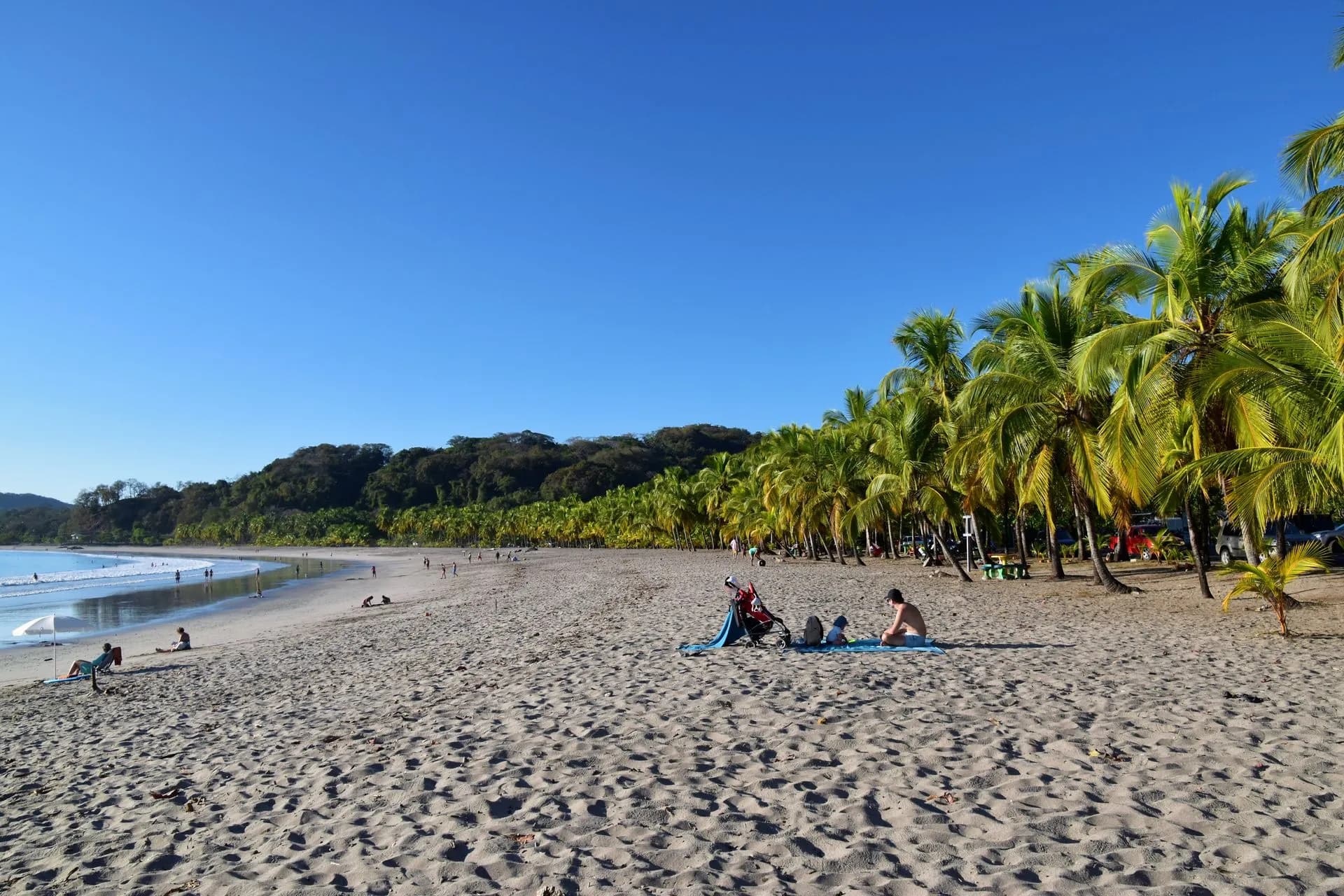
That answer surprises people, because Playa Grande is right across the estuary from Tamarindo and is famous for its leatherbacks. But the beach is the reason Las Baulas National Marine Park exists. Costa Rica created the park in 1991 to protect the leatherbacks that nest on Playa Grande, Ventanas and Langosta. Today SINAC, the national parks agency, manages it, and night access is the first thing it restricts.
So when you search for turtle nesting Tamarindo rules, there are really two sets: the park rules that keep you off Playa Grande after dark, and the beach rules your guide enforces on the nesting beaches you are allowed onto. This page covers both. To compare the night outings themselves, see our Tamarindo turtle tour guide.
Is Playa Grande Closed at Night? The Las Baulas Rules
Yes. During nesting season you can use the beach by day, but not after dark. Here is how the closure works as of October 2026.
The night closure
SOS Grande (Sostenibilidad en Grande), the conservation group based in Playa Grande, lists Grande, Ventanas, Carbón and Langosta beaches as closed daily from 6:00 PM to 5:00 AM, with camping, fires and pets banned. SINAC's own page for the park says the park opens from 6:00 AM to 6:00 PM, and that during the nesting season (which it gives as October to February) you may stay on the beach only until 5:00 PM. Plan on being off the sand by late afternoon, and treat the hour after sunset as off-limits.
Why only licensed guides take people out
Costa Rica's sea turtle law (Law 8325, from 2002) requires tourism projects that show people nesting turtles to be authorized by the environment ministry, MINAE. That is why turtle watching anywhere in Costa Rica is guided, and why a hotel employee or a friendly local with a torch is not a legal substitute.
What happened to the Playa Grande night tour?
For years the park ran a night tour on Playa Grande itself: visitors signed up at the ranger station and waited until spotters found a leatherback. SOS Grande says the local guides' association that ran it with the park suspended those night tours permanently in 2019, because leatherbacks had become so hard to find and the priority had to be the turtles. Some travel sites still describe the old ranger-station tour and its price. We found no 2025 or 2026 source showing it running again, so if you are set on Playa Grande, ask at the ranger station in daylight before you plan an evening around it.
Our take (managing expectations): If the picture in your head is a leatherback on Playa Grande, reset it before you book anything. The realistic night near Tamarindo is a Pacific green turtle on a wild beach to the north, and on a good night it is every bit as moving. Guests on this season's walks report anything from one female to a dozen in a night.
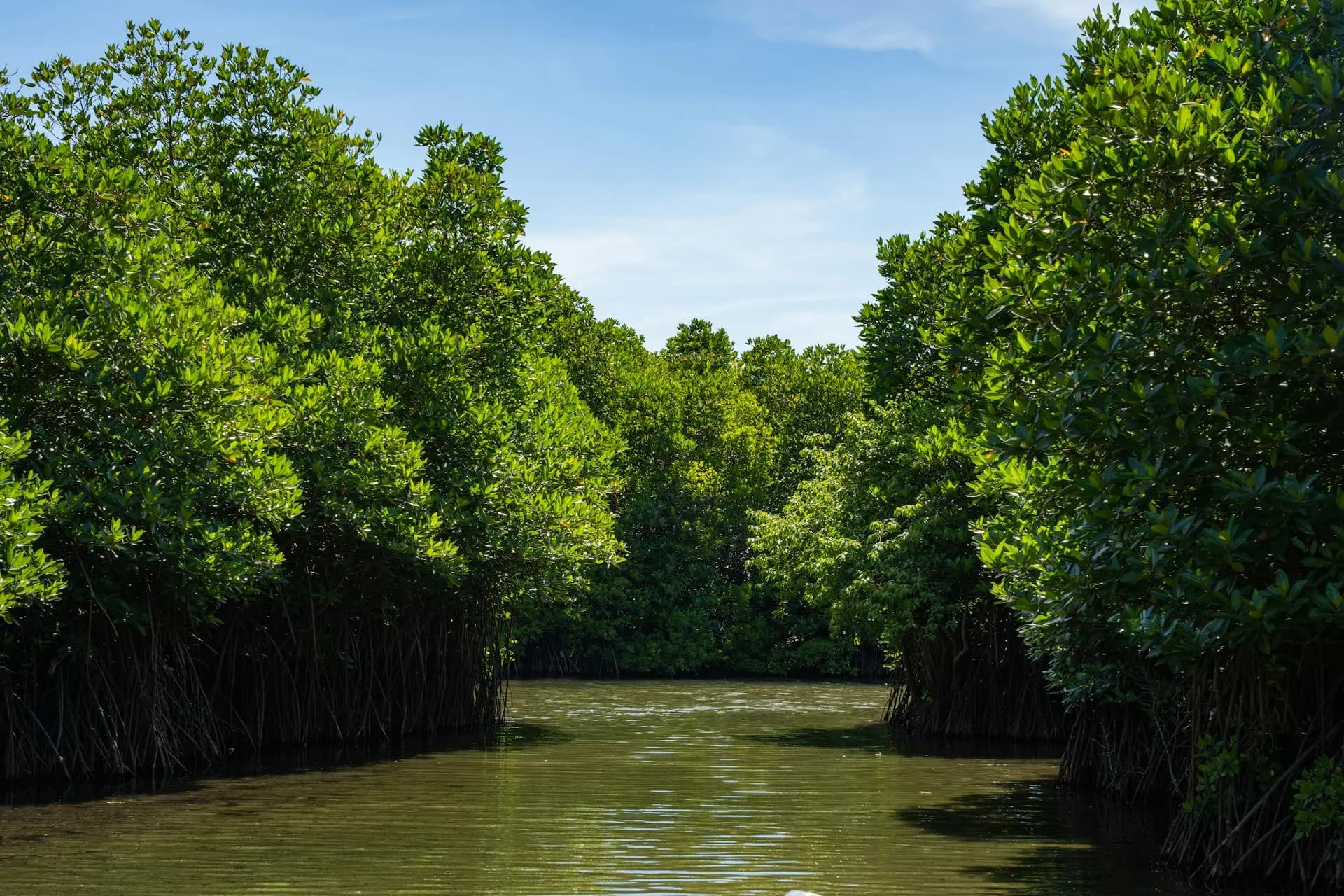
By day the park is open, and its other half is easy to see: the Tamarindo estuary and its mangroves are inside Las Baulas too. Our Tamarindo estuary boat safari guide covers the crocodiles, monkeys and birds you see there on a two-hour boat ride.
Turtle Nesting Rules: What's Allowed and What's Banned
These are the rules you will be held to on a nesting beach near Tamarindo. They come from the park, from Costa Rica's conservation agencies and from what this season's guides actually enforce, according to their listings and guest reports.
| Item or action | Allowed? | What to know |
|---|---|---|
| Walking Las Baulas beaches after dark | No | Grande, Ventanas, Carbón and Langosta close from 6:00 PM to 5:00 AM. |
| Camera or phone flash | No | Every guide bans it. One guest this year described several turtles abandoning their nests after people in the group used flash. |
| White flashlights and headlamps | Trail only | Guides hand out flashlights for the forest trail, then lights go off on the sand. Only the guide's dim red light is used near a turtle. |
| Phones | Dark, no flash | Keep the screen dimmed and away from the turtle. Photos without flash are allowed on some walks, only when the guide says so. |
| Standing in front of a turtle | No | You watch from behind her. A shadow or a figure ahead can make her turn back to the sea. |
| Getting close | Guide's call | SOS Grande asks for at least 5 m (16 ft) from nesting turtles and hatchlings. Guides decide when the group moves closer, usually once she is laying. |
| Touching turtles or eggs | No | Never touch a turtle, a nest or the eggs. Taking eggs outside the authorized Ostional program is an environmental crime. |
| Picking up hatchlings | No | Let them crawl to the sea on their own, and keep lights off them. |
| Bright or white clothing | Avoid | Operators ask for dark clothes so the turtles do not notice you. |
| Dogs | No | Pets are banned on the park's nesting beaches. |
| Camping and fires | No | Banned on the nesting beaches. |
| Insect repellent and water | Yes | Bring both. Apply repellent before you reach the beach. |
ℹ️ Rules checked against SINAC's Las Baulas and Ostional pages, Law 8325 and SOS Grande on October 27, 2026. Guides can be stricter than this table on the night, and their word is final on the beach.
Red light, phones and photos
Light is the rule that matters most. Turtles read bright light as danger, and hatchlings crawl toward the brightest horizon, which should be the sea. That is why guides work with dim red light and turn every white light off at the edge of the sand. One guest this season shot the whole night with only the available red light
and converted the photos to black and white, which is the realistic way to come home with a picture. If you need a photo badly, put your phone on silent, turn off the flash and the focus-assist lamp before you leave the car, and wait for your guide's nod.
Where Guided Night Walks Near Tamarindo Actually Go
Because the park beaches are closed, the licensed night walks from Tamarindo go north instead. Sol Eco Adventures drives about 25 km (40 minutes) to a hidden beach near Playa Minas that you reach on a 10 to 15 minute walk, and Discover Tamarindo heads to a beach about 40 minutes north of town, beyond the leatherback park. Guests name Playa Honda among them, and on many nights guides radio each other and move groups to whichever beach has a turtle.
These are wild beaches without lights or houses, which is exactly why turtles use them. It also means a rough dirt road, a dark forest trail and soft sand, which shape the rules on what to wear and who should come.
Which turtles you will see
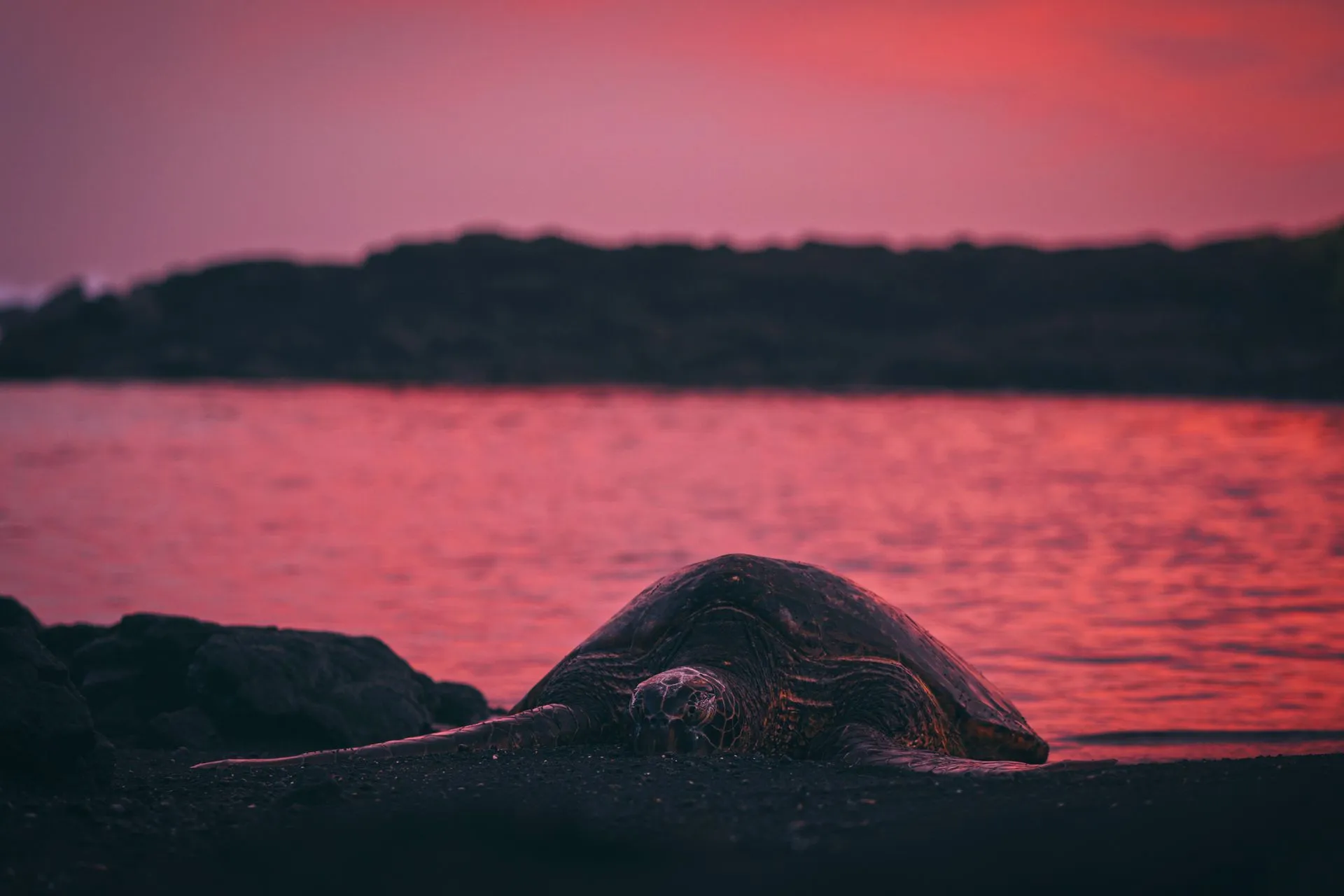
Mostly the Pacific green turtle (also called the black turtle). Nearly every guest report from the last 12 months on both walks describes greens, sometimes olive ridleys, and only rare claims of a leatherback. Discover Tamarindo's own listing says three species use these beaches and that nobody knows in advance which will come ashore.
Most Popular Tours
Turtle Nesting Season in Tamarindo and Playa Grande
The turtle nesting season in Tamarindo is really two seasons. The one in every brochure is the leatherback season at Playa Grande, which SINAC dates from October to February. The one you can actually experience is the Pacific green season on the beaches north of the park, which operators put at roughly October to April.
How rare are leatherbacks now?
We want to be straight about this, because many pages still sell Playa Grande on its leatherbacks. Las Baulas once had the largest leatherback colony on the Pacific coast of the Americas, with about 1,500 females nesting in the 1988 to 1989 season. SOS Grande now counts only 2 to 8 females a season across the entire park, a fall of more than 95%. A December 2025 opinion piece in Delfino by a wildlife-management academic described the park as a conservation failure, pointing to fishing bycatch and building inside the park. If you see a leatherback, it is a once-in-a-decade night. Plan for green turtles and you will not be disappointed.
Our monthly guides show what else is going on, from the empty beaches of Tamarindo in October to the busy dry season.
Playa Grande, very rare now
SINAC gives the leatherback season at Las Baulas as October to February, and SOS Grande as October to March. Nesting females have fallen from about 1,500 in 1988 to 1989 to 2 to 8 a season, so a sighting is unlikely in any month.
The turtle you will most likely see
Operators put the peak between October or November and April. Guests on this season's walks also reported greens in May and September, in smaller numbers, so the edges of the year are thinner, not empty.
One at a time near Tamarindo
Olive ridleys nest alone on the beaches north of Tamarindo now and then. For the mass nesting they are famous for, you need Ostional, a separate trip covered below.
Nature's timing, not a schedule
Eggs hatch roughly two months after laying, so hatchlings appear through and after the nesting months. Many guests saw a few crossing the sand on the same night as a nesting female. No one can book that.
Ostional Arribadas: A Separate Trip With Its Own Rules
Ostional is the beach people mean when they talk about thousands of turtles at once. It sits inside the Ostional National Wildlife Refuge, roughly two hours or more south of Tamarindo by road, and it is one of the world's main nesting beaches for the olive ridley. Several times a year the turtles come ashore together in an arribada, and travel guides put the largest in the rainy months, from about September to November.
- A local guide is mandatory during arribadas. SINAC's refuge page says so, and lists the two local organizations that supply guides, AGLO (the local guides' association) and ADIO (Ostional's community development association). The guide is paid separately from the entry fee.
- Book through the official channels. In September 2026 SINAC reminded visitors that turtle watching at Ostional is only allowed with accredited local guides, booked through those organizations.
- The egg harvest is legal only for ADIO. ADIO, Ostional's community association, is the only group authorized to collect eggs, under a regulated community program. Anyone else taking eggs commits a crime: three people were arrested there in September 2026 with 101 eggs.
- Arribada dates cannot be booked far ahead. Nobody can promise one on a given night, so keep your plans flexible and contact the guides a day or two before.
As of October 2026, SINAC lists the refuge as open from 5:00 AM to 9:00 PM with a non-resident fee of $13.56 plus the guide. None of the Ostional outings we found from Tamarindo met our standards for ratings and recent reviews, so we do not list one here. The rules in the table above apply at Ostional too.
What to Wear for Turtle Watching at Night
For what to wear on a nesting beach, think dark and practical: dark clothes, closed shoes that can get sandy or wet, insect repellent and a light rain layer in the green season. There is no formal dress code, but bright white or neon clothing stands out on a moonlit beach and guides will ask you to stay at the back.
Dark clothing
Sol Eco Adventures asks for dark long sleeves and trousers so the turtles do not notice you. Guests on its walks this year say shorts and T-shirts were fine as long as they were dark coloured.
Closed shoes you can get wet
The walk in is a 10 to 15 minute forest trail with roots and some steep bits, then soft sand. Wear sneakers or hiking shoes. One guest had to wade through water, so do not wear your best pair.
Insect repellent
The trail runs through dry forest at dusk. Put repellent on before you leave the car, not on the beach.
A light rain layer
From May to November evening rain is common. A dark rain jacket beats an umbrella, which you cannot hold up on the beach.
Your own flashlight
Both walks provide flashlights for the trail, and on the sand only the guide's light is used. A headlamp you switch on by mistake is worse than none.
Water and a little patience
Water is included on both walks, and Sol Eco adds snacks. Waits of an hour or more before the first turtle are normal.
Most Popular Tours
Is It Guaranteed? Age Limits, Fitness and Hatchlings
Is it guaranteed to see turtles?
No. Every operator says it, and the reviews prove it. On a typical night guests see one to a dozen females, but many of them come ashore, dig, decide the spot is wrong and go back to the sea without laying. One guest this season watched a turtle dig for about 30 minutes and then cover the hole without laying a single egg. On quiet nights the guide may walk you back to the vehicle and drive to a second beach. Blank nights happen, especially at the edges of the season.
Age limits
We found no official minimum age for watching turtles on these beaches. Operators set their own: Sol Eco Adventures prices children from age 4, and Discover Tamarindo takes bookings from age 1 but says travelers need moderate fitness and does not recommend the walk for pregnant travelers or anyone with back or heart problems. The real limit is staying quiet and awake in the dark until 9 or 10 PM. One parent whose 6-year-old flagged early had the guide walk them back before the end.
Fitness and the dark
This is the part people underestimate. Guests describe a long, bumpy dirt road, a 10 to 15 minute hike through forest in the dark and up to two hours on your feet in soft sand. A couple who had low vision and mild mobility problems said they were not comfortable on the trail, even with good guides.
Hatchlings and hatchling releases
If hatchlings appear while you are on the beach, the rule is hands off: let them make the crawl themselves and keep every light off them. Guests on this season's walks describe watching baby turtles reach the sea within a few metres of the group. Organized hatchling releases are a different thing, run by authorized hatchery projects rather than by night tours. SOS Grande lists hatchling expeditions from January to March on its site, so contact it directly if that is what you want.
Our take (crowds on the beach): The most common complaint in reviews is not a blank night but too many people around one turtle. Guests describe guides from several companies sharing one female, and one said a group's shadows made a turtle turn back. A small group on a remote beach is worth more than any other feature, so ask how many people will be in yours.
Tips for a Good Night on a Nesting Beach
- Turn off flash before you leave the car. Most flash incidents are people who forgot, not people who did not know.
- Be patient. Guests who stayed after other groups left often saw the full sequence of digging, laying and covering. Do not book this on a night you need to be in bed early.
- Ask about the moon and the season. Several guests wished they had asked where they were in the season before booking. A guest who went at the very end in April saw one female and two hatchlings.
- Eat first. Walks start around 5:00 to 5:45 PM and end late. Neither of the two walks we list includes dinner.
- Leave the car with the operator. The access roads are rough. Some guests followed their guide in their own car, but others needed the pickup because their car could not handle the track.
- Stay for the stars. With every light off, the sky over these beaches is one of the things guests mention most.
- Where to stay: our hotels in Tamarindo guide compares places near the meeting points in town.
Watch With a Licensed Guide: Compare and Book
The rules above are easiest to follow in a small group with a guide who knows the beach. Our pick is Sol Eco Adventures' night walk: rated 4.6 from 161 reviews, capped at 10 travelers, from $65 per person, and the most-reviewed nesting walk from Tamarindo over the past 12 months. Discover Tamarindo's naturalist-led walk, rated 4.6 from 206 reviews and capped at 15, was on sale at $67.50 (down from $75) when we checked on October 27, 2026. Both offer free cancellation up to 24 hours before. For prices, pickup details and how each compares, see our full comparison of Tamarindo turtle outings.
Popular Guided Ways to See Turtles and Las Baulas
Six options, all rated 4.5 or higher with at least 50 reviews and recent guest feedback. The first two are the night nesting walks. The other four explore Las Baulas by day: boat rides and a wildlife outing in the Tamarindo estuary and its mangroves, which belong to the same national park as Playa Grande.
For a slower wildlife day inland, see our Tamarindo sloth tour guide, and for the rest of your trip, our guide to the best things to do in Tamarindo.
Most Popular Tours
Where to Stay in Tamarindo
Staying in Tamarindo or planning a trip? Here are three well-reviewed hotels, with live prices from our booking system. Rooms at the best-rated hotels are usually the first to go, especially in peak season and over holidays, so it's worth locking in your stay before availability fills up.
Compare Live Tamarindo Hotel Prices
Live rates for a three-night stay for two adults, checking in about a month from now. Change the dates at checkout and book with instant email confirmation.
- Instant confirmation by email
- Live rates, not brochure prices
- Free cancellation on selected rates


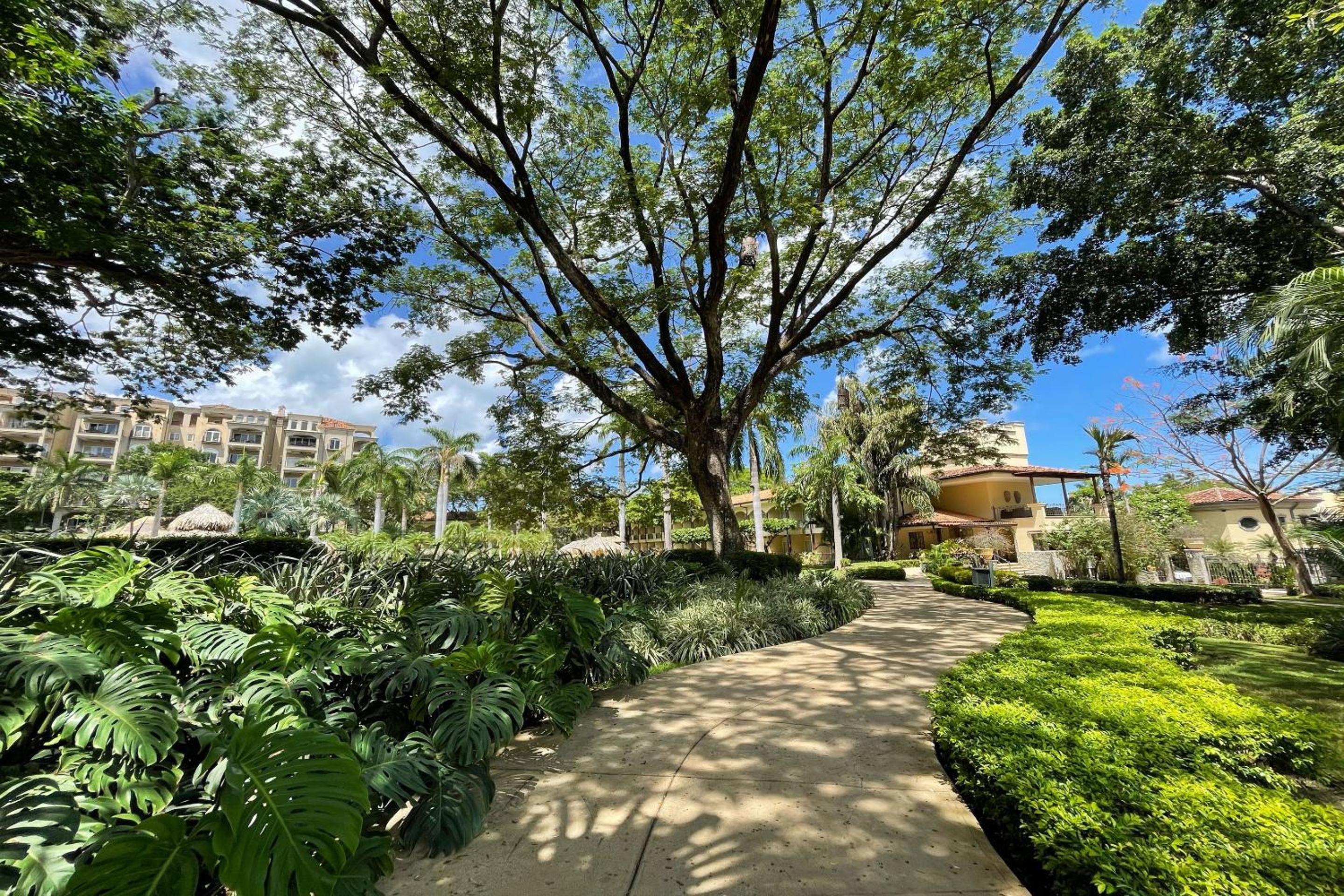
Hotel Tamarindo Diria Beach Resort
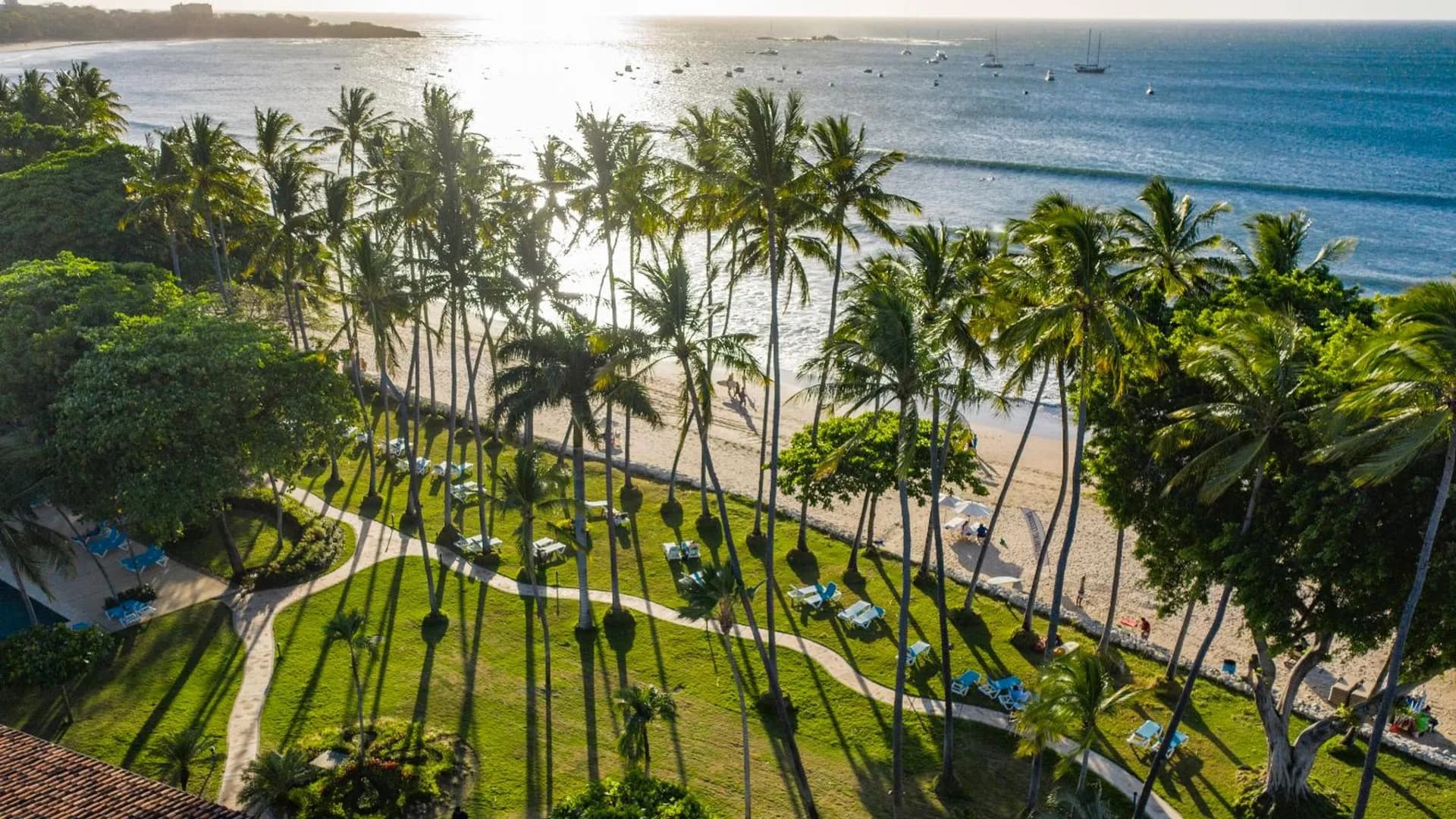
The one bookable hotel that is genuinely on Tamarindo beach: palm gardens running straight onto the sand in the middle of town. If beachfront is the requirement, this is the answer.


Ten North Tamarindo Beach Hotel
Rooms and apartments with kitchenettes around a pool in the center of town, by the park and weekend market and a short walk to the beach and main strip. Guests praise the staff and breakfast; beds are on the small side.


Wyndham Tamarindo
The property with the largest verified-stay review base in this comparison, at 1,883 reviews, with a big infinity pool and ocean-view rooms on the hill above town.
Indicative nightly rate for a 3-night stay, 2 adults. Live pricing at checkout.Room only. Local taxes and fees are added at checkout and can add roughly 20%.
Search all resorts & dates →How We Researched This Guide
We built the rules on this page from primary and local sources first: SINAC's pages for Las Baulas National Marine Park and the Ostional National Wildlife Refuge, the text of Law 8325 on sea turtles, and SOS Grande, the conservation group in Playa Grande, for the night closure, the end of the park night tour and recent leatherback counts. For Ostional we also used SINAC's September 2026 statement after the egg-theft arrests. Some of these pages carry no date, so we say where a figure comes from and when we checked it.
For the on-the-beach detail (trails, clothing, how often turtles turn back, crowding) we read every review posted in the last 12 months on the two night walks listed here. Ratings, prices and inclusions come from live listing data checked on October 27, 2026. Every tour shown has a rating of 4.5 or more, at least 50 reviews and reviews from the last six months. Native's Way's night walk (4.2) and several newer walks with fewer than 50 reviews did not qualify. Rules change, so confirm anything critical with your guide or the park.
Frequently Asked Questions
Can you see turtles nesting in Tamarindo without a tour?+
Not on the protected beaches. Playa Grande, Ventanas, Langosta and Carbón, the nesting beaches of Las Baulas National Marine Park, close from 6:00 PM to 5:00 AM. Costa Rican law requires turtle watching to be run by authorized projects, so the only way to watch a turtle nest near Tamarindo is with a licensed guide on a beach outside the park.
Is Playa Grande beach closed at night?+
Yes. SOS Grande lists Playa Grande and the park's other nesting beaches as closed daily from 6:00 PM to 5:00 AM, and SINAC says that during nesting season visitors may stay on the beach only until 5:00 PM. You can surf and walk there by day.
When is turtle nesting season in Tamarindo and Playa Grande?+
SINAC gives the leatherback season at Playa Grande as October to February, though leatherbacks are now very rare. The Pacific green turtles that the night walks from Tamarindo see peak from about October to April, with smaller numbers reported in other months. Ostional's olive ridley arribadas are biggest from about September to November.
Can you still see leatherback turtles at Playa Grande?+
Rarely. About 1,500 leatherbacks nested at Las Baulas in the 1988 to 1989 season. SOS Grande now counts 2 to 8 females a season across the whole park, and the park's own night tour on Playa Grande was suspended in 2019. Most visitors see Pacific green turtles on beaches north of the park.
Can you use a flash or your phone when watching turtles nest?+
No flash, ever, and no white light on the beach. Only the guide's dim red light is used near a turtle. Some walks allow photos without flash when the guide says it is safe, so turn off your flash and keep your screen dimmed before you reach the sand.
Is it guaranteed that you will see turtles?+
No. Turtles nest on their own schedule, and many come ashore, test the sand and return to the sea without laying. Guests this season report anything from no turtles to a dozen in a night, and guides often move groups between beaches to improve the odds.
What should you wear to see turtles nesting?+
Dark clothing, closed shoes that can get sandy or wet, and insect repellent. Operators ask for dark colours so turtles do not notice you. Expect a 10 to 15 minute forest trail in the dark and soft sand, and bring a light rain layer from May to November.
Is there an age limit for turtle watching in Tamarindo?+
We found no official minimum age. Operators set their own: Sol Eco Adventures takes children from 4, and Discover Tamarindo accepts younger children but asks for moderate fitness. The practical limit is whether a child can stay quiet in the dark until 9 or 10 PM and manage the trail.
Affiliate note: Some links on this page are affiliate links. If you book through them, we may earn a small commission at no additional cost to you.