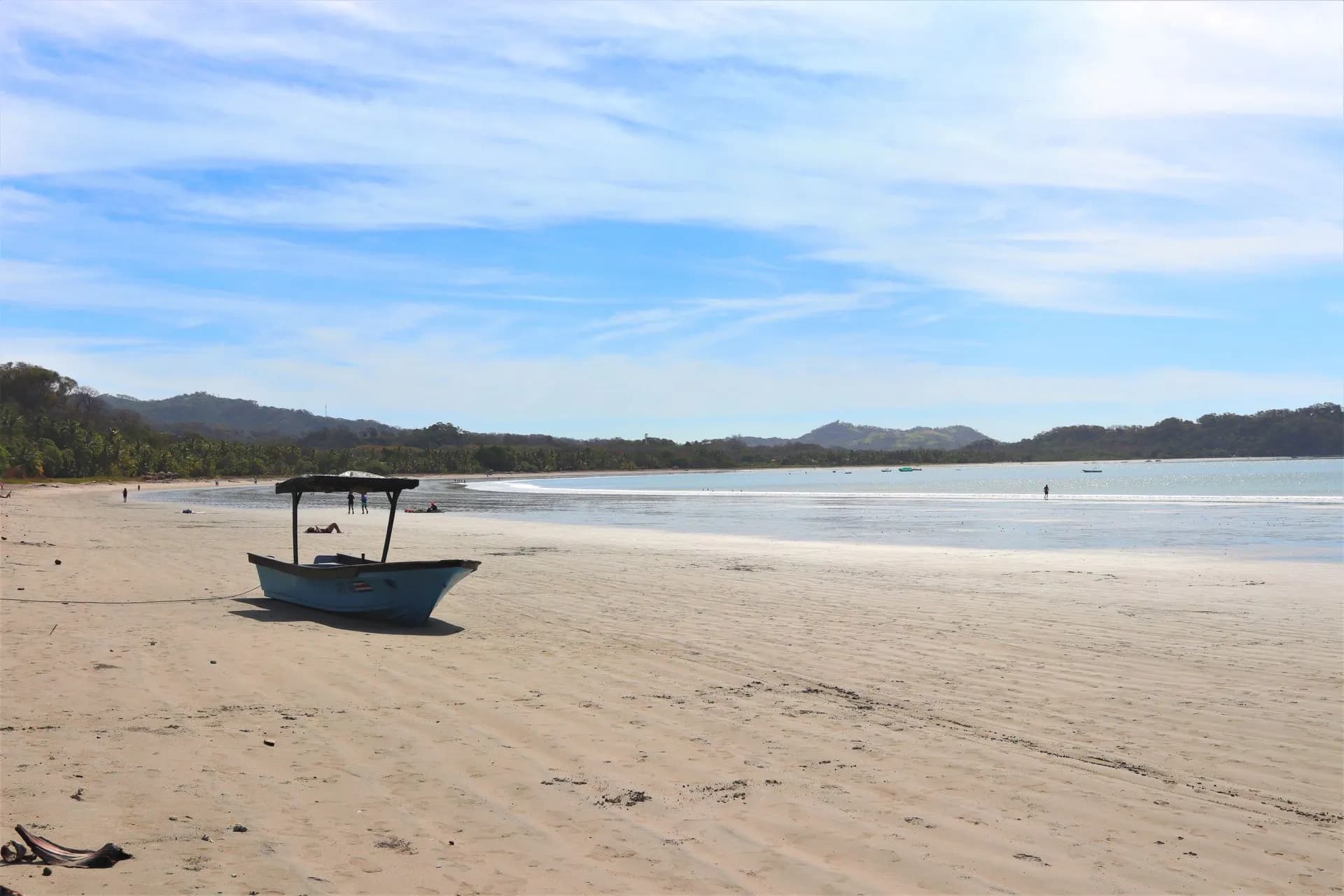
July is the one month where the weather improves and the crowds arrive at the same time. The veranillo brings a real break in the rains to Guanacaste, and northern summer holidays bring the families. Here is how to handle both.
What You Should Know
- July brings the veranillo, a genuine break in the rains that Costa Ricans call the little summer. It typically starts around July 10 to 20 and runs two to four weeks, and northern Guanacaste benefits from it more than anywhere else in the country.
- It is not guaranteed. Some years the veranillo lasts a fortnight, some years a few days, and occasionally it does not arrive at all. Treat it as a good chance of drier weather rather than something to build a fixed itinerary around.
- This is the one month where weather and crowds move in the same direction. Northern summer holidays bring family travel just as the rains ease, so July is busier and pricier than June despite both being green season.
- Surf is into its green season stride, with consistent swell that suits experienced surfers more than first-timers. Water stays warm at 28 to 29°C, and the forest is fully green after two months of rain.
Tamarindo in July: Overview
⭐ Best July window: roughly July 12 to 31. If the veranillo turns up on schedule, the back two thirds of the month carry noticeably drier afternoons than early July or than August. The catch is that this is also when family travel is heaviest, so you are trading rain risk for company.
| Factor | July Rating |
|---|---|
| Weather | 8/10: the veranillo makes this the driest green-season month |
| Crowds | 5/10: northern summer holidays in full swing |
| Prices | 6/10: green season rates, but firmer than May or June |
| Beaches | 8/10: warm water and more usable afternoons than June |
| Surf | 9/10: consistent green season swell |
| Snorkeling | 7/10: improving as the veranillo cuts runoff |
| Wildlife | 8/10: forest fully green and active |
| Waterfalls | 8/10: still running well from June rain |
| Families | 8/10: the month most families can actually travel, and it cooperates |
| Couples | 7/10: good conditions, busier town than June |
💰 Average July hotel prices (Tamarindo town, mid-range):
Most of the month: ~$150–210/night
Rough mid-range estimates; rates vary widely by property, location and booking lead time.
July is the strangest month in the Tamarindo calendar, because it breaks the pattern that governs the other eleven. Everywhere else in the year, better weather means more people and higher prices, and worse weather means the opposite. July delivers both at once: the rains ease just as the northern school holidays send families south.
The weather half of that is the veranillo, or little summer, a well-documented lull in the rainy season that arrives in early-to-mid July. Northern Guanacaste gets more out of it than any other part of Costa Rica, and Tamarindo sits right in the sweet spot. In a good year you can spend a fortnight here in July and barely open an umbrella.
Our take: the veranillo is real but it is not a schedule, and that is the thing to internalise before booking. Most people don't realize it can be a solid two weeks one year and a handful of days the next, so we would treat it as a likely bonus rather than a reason to choose July over June.
Tamarindo Weather in July
| Metric | July |
|---|---|
| Avg High | 32°C (90°F) |
| Avg Low | 23°C (74°F) |
| Water Temp | 28–29°C (82–84°F) |
| Rain Pattern | Afternoon showers, easing during the veranillo |
| Humidity | High |
| Wind | Light |
| Veranillo | Typically from around July 10 to 20, lasting 2 to 4 weeks |
Temperature and Humidity
Temperatures hold steady from June, with highs around 32°C (90°F) and lows near 23°C (74°F). Humidity stays high. What changes if the veranillo arrives is the cloud cover: drier spells mean more direct sun, which makes the same air temperature feel hotter than a cloudy June afternoon. Sun protection matters more in a veranillo July than it does in a wet one.
The Veranillo Explained
The veranillo, also called the veranillo de San Juan or Saint John's little summer, is a break in the rainy season that typically begins around July 10 to 20 and runs anywhere from two to four weeks. It is a genuine meteorological pattern rather than a tourism slogan, and northern Guanacaste benefits from it more than any other region of Costa Rica. Tamarindo, Flamingo, Conchal, Playa Hermosa, Playas del Coco and the Papagayo Peninsula are the places it shows up most reliably.
The honest caveat matters as much as the phenomenon. The timing shifts year to year, the duration varies from a few days to a month, and in some years it does not materialise at all. In reality, that makes it a favourable probability rather than a plan. We would book July for other reasons and treat drier afternoons as the upside if they come.
Rain Pattern
Outside the veranillo, July follows the green season rhythm established in May and June: sunny mornings, showers building from mid-afternoon, usually clearing by evening. Inside it, afternoons open up and consecutive dry days become normal.
The practical advice does not change either way. Morning-first scheduling still costs you nothing and protects you if the veranillo is thin or late, so we would book that way regardless and enjoy the flexibility if it turns out you did not need it.
Sea and Surf Conditions
Water holds at a warm 28 to 29°C (82 to 84°F), and green season swell is well established. July is a strong month for experienced surfers and a middling one for first lessons, for the same reason June was: the waves have size and the water is less forgiving than the clean, wind-groomed conditions of February and March.
Snorkeling improves on June if the veranillo delivers, because less rain means less river runoff clouding the near-shore water. The clearest visibility of the year still comes in August, but July is the first green-season month where conditions start moving back in the right direction.
Crowds and Prices in Tamarindo in July
July is the busiest green-season month, and the reason has nothing to do with the weather here.
Northern summer holidays
North American and European schools are out through July, which makes it the month when families can actually travel. Tamarindo fills accordingly: more children, more multi-generational groups, fuller restaurants, and tours that need booking a few days ahead rather than same-day. It is nothing like Semana Santa or Christmas, but it is a clear step up from the near-empty first three weeks of June.
What that does to rates
Mid-range rooms run roughly $150 to $210 a night, up from $110 to $160 in early June but still well below the $190 to $260 of March. Green season pricing holds, it just sits at the top of its own range rather than the bottom.
The July calculation
Here is the tradeoff stated plainly. Against June, July costs more and is busier, and in exchange offers a real chance of drier afternoons through the veranillo. Against March, July is substantially cheaper and greener, with the risk that the veranillo does not show and you get June's rain at July's prices.
We'd book this if you are travelling with school-age children and July is simply when you can go, because the month cooperates better than its green-season label suggests. We wouldn't choose it over June for travellers with free dates, since June delivers the same landscape and warm water at lower rates with fewer people, and the veranillo is not reliable enough to pay a premium for.
July with Families: Why This Month Works Better Than It Reads
July is the month most families are able to travel, and it is worth saying that Tamarindo handles it well despite sitting in the middle of the rainy season.
What works in July's favour
- The veranillo lands in the school holidays. Of all the ways the calendar could have arranged itself, the region's mid-season dry spell falling in July is the most convenient possible outcome for families with fixed dates.
- Warm water without the wind. At 28 to 29°C with no Papagayo chop, the sea is far more child-friendly than it is in January or February, when cold upwelling and wind made swimming genuinely unappealing.
- Mornings are dependable. Even outside the veranillo, the rain holds off until afternoon, which is enough structure to plan a day around.
- Everything is open. Unlike the deep green season later in the year, July has enough demand that operators run full schedules and restaurants keep normal hours.
What to watch
Two things, honestly. The surf is not beginner-friendly the way it is in the dry season, so if a first lesson is on the list for a teenager, expect a harder introduction than a February visitor would get. And afternoon plans need a fallback, because a washed-out 3pm with restless children is the most common way a green-season day goes wrong.
The biggest difference between a good July with kids and a frustrating one is usually booking half-day tours rather than full-day ones. It keeps the weather risk low and leaves the afternoon free to adapt, which matters more with children than it does for two adults.
Best Things to Do in Tamarindo in July
July's rankings sit between June's and the dry season's. The veranillo makes afternoons viable again for the first time since April, which brings the boat trips back into play, while everything green season improved in May and June stays improved.
| Activity | July Rating | Best Time of Day | Notes |
|---|---|---|---|
| Catamaran days | 8/10 | Morning or sunset | Up from 6/10 in June. The veranillo makes the afternoon and sunset slots worth booking again. |
| Surf, experienced | 9/10 | Any | Green season swell is consistent and well established. |
| ATV and buggy tours | 9/10 | Morning | Still excellent: no dust, green landscape, and drier tracks than June if the veranillo lands. |
| Sloth and inland wildlife trips | 8/10 | Morning | Forest fully green and active, with two months of rain behind it. |
| Zipline and volcano combos | 9/10 | Morning | Rivers still carrying June's water, so the tubing section keeps its substance. |
| Snorkeling | 7/10 | Morning | Improving on June as reduced rain cuts river runoff. August is better again. |
| Beach days | 8/10 | Any | Warm water and more usable afternoons than June, if the veranillo cooperates. |
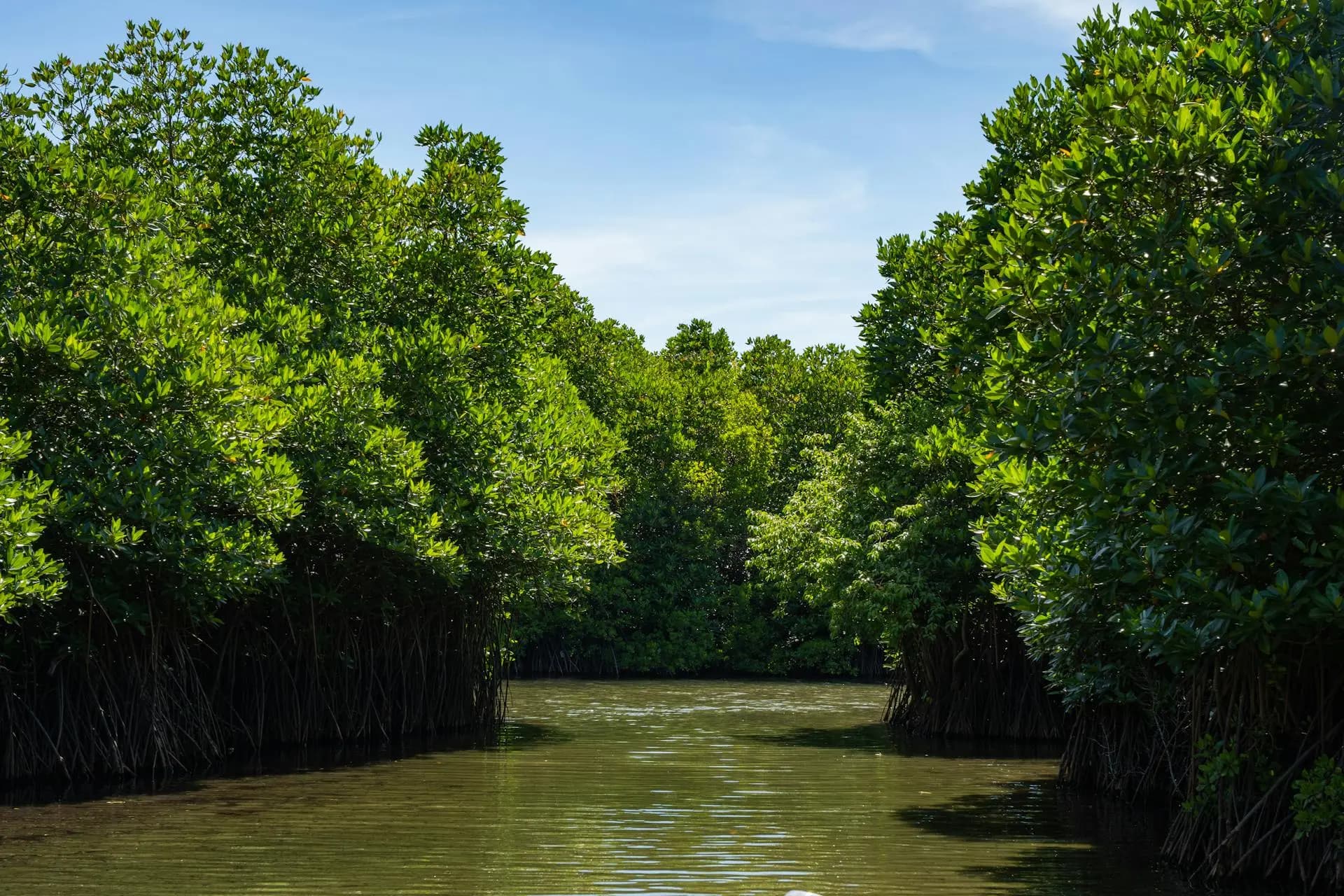
| Estuary boat safari | 8/10 | Early morning | Sheltered, active, and a good fallback when the coast is choppy. |
| Surf lessons, beginner | 6/10 | Early morning | Same as June. Doable, but the dry season is a gentler place to start. |
| Rio Celeste day trip | 6/10 | Early start | Upstream rain still browns the water regularly. Dry season shows it best. |
Why the Blue Dolphin catamaran is our July pick
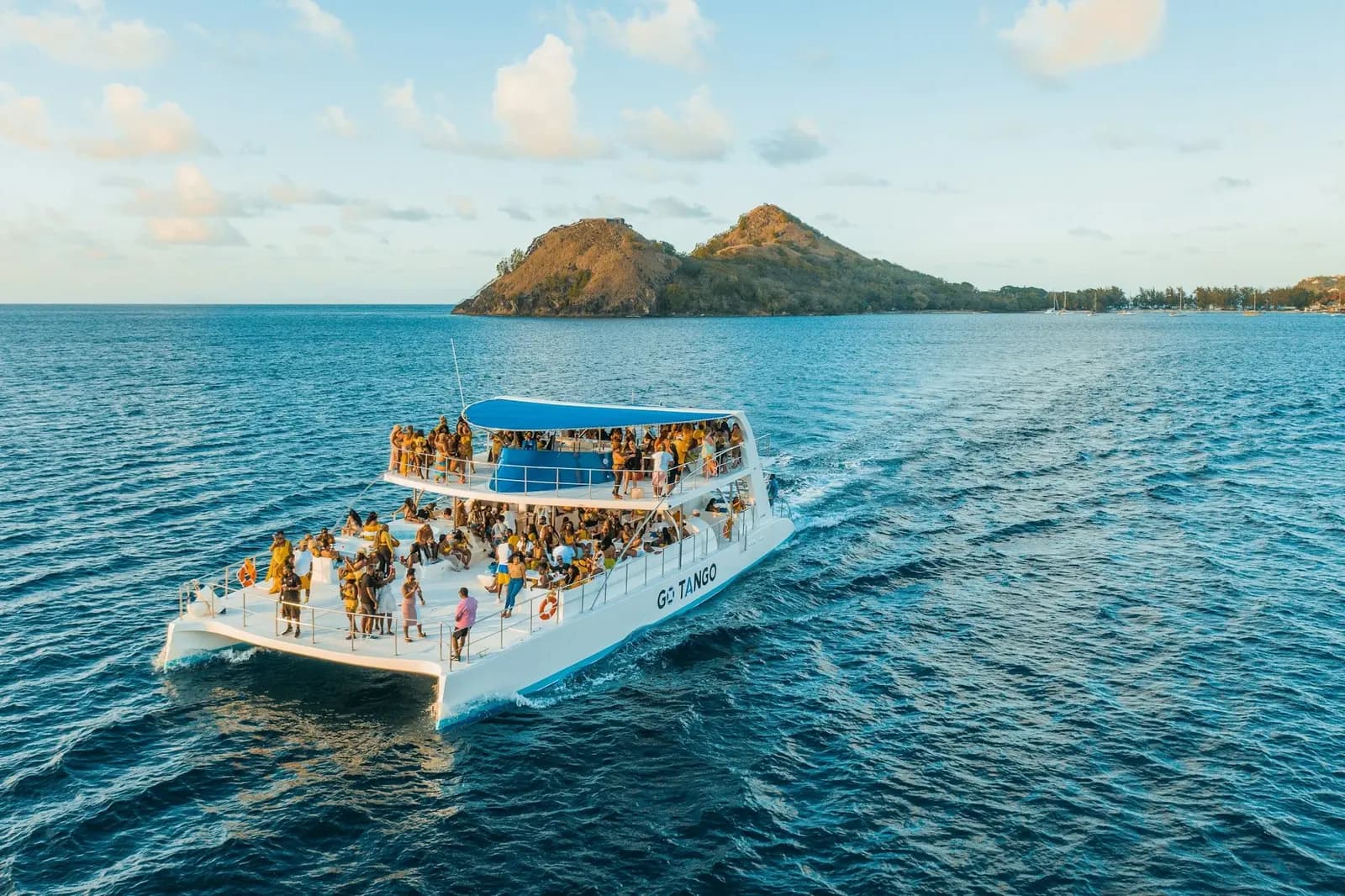
We'd give this the edge for July because it is the tour that gains most from the veranillo. Through June we were steering people onto morning departures only, since the afternoon and sunset slots were the most rain-exposed part of the day. A drier July reopens that window, and a sunset sailing becomes a sensible booking again for the first time since April.
It also departs from Tamarindo itself rather than Playa Flamingo, which removes the 45-minute transfer each way that we flagged as the tradeoff on the Flamingo boats in March and April. In the busiest family-travel month, not spending 90 minutes in a van is worth more than it usually is.
Two honest caveats. At 4.6 this is the lowest-rated tour of the eight on this page, so it is a seasonal pick rather than the best boat in the area on raw reviews. And the veranillo is a probability, not a promise: if it is thin the year you travel, the morning departure remains the safer choice. Our Tamarindo catamaran guide compares the boats and departure points properly.
The rest of the shortlist
ATV tours hold their June form and get slightly drier tracks if the veranillo arrives. The Guachipelin volcano combo is still at its annual best, with rivers carrying June's water into July. And for families, the estuary boat safari is worth more than its rating suggests in this month: it is sheltered, short, and works as a fallback when the open coast is uninviting.
Other Things to Do in Tamarindo in July
Worth adding to a July itinerary, and without a dedicated guide of their own:
- Witch's Rock and Ollie's Point by boat. Firmly in season now, with consistent green-season swell at the northern breaks. An experienced-surfer trip.
- Playa Conchal and Las Catalinas in a veranillo week. If the dry spell lands, the reduced runoff makes these the clearest water you will get until August.
- A rainy-afternoon cooking class or coffee tasting. Keep one in reserve. Even in a good veranillo year, some afternoons still go wet.
- Llanos de Cortes waterfall. Still running strongly on June's rain, and a better visit now than at any point in the dry season.
- Rincon de la Vieja National Park. Take the first slot. Trails hold moisture through green season and afternoon storms are more likely at elevation.
- Sunset from the estuary end of the beach. Quieter than the main strip in the busiest month of green season, and July skies after a shower are excellent.
Our Take
The mistake we would steer people away from is treating the veranillo as a booking strategy. It is a real pattern that favours northern Guanacaste more than anywhere else in Costa Rica, but its timing and length vary enough year to year that paying July prices for June weather is a live possibility.
Tips for Visiting Tamarindo in July
- Book as though the veranillo will not arrive: Schedule mornings, choose half-day tours, and keep afternoons flexible. If the dry spell lands you lose nothing; if it does not, you are covered.
- Plan around July 10 to 20 for the best odds: That is when the veranillo typically begins. The back two thirds of the month carry better weather probability than the first ten days.
- Book tours a few days ahead, not same-day: Unlike June, July has enough family demand that the popular trips fill. It is not Semana Santa, but same-day availability is no longer reliable.
- Take sun protection more seriously in a dry spell: Less cloud means more direct sun at the same temperature. A veranillo July burns people who would have been fine in a cloudy June.
- Favour Tamarindo-based tours in the busy month: Trips departing from town save the 45-minute transfer each way that the Playa Flamingo boats require, which matters more when travelling with children.
- Keep expectations realistic for a first surf lesson: Green season swell is consistent and the water is less forgiving than the dry season. Beginners do learn here in July, just not as easily as in February.
- Have an indoor fallback for 3pm: The single most useful family planning habit in green season. A washed-out afternoon with nothing lined up is how a good day unravels.
- Do not expect Rio Celeste at its bluest: Upstream rain over Tenorio still browns the river regularly in July. The dry months are when that trip delivers what the photos promise.
- Visiting at a different time of year? Our Tamarindo in August guide covers the next month, the wettest on land but the clearest in the water, with the year's best visibility at the Catalinas. Our Tamarindo in June guide covers the quietest and cheapest weeks of the year.
How We Built This July Guide
July is the one month in the Tamarindo year where weather and demand improve together, and we built this guide around that inversion. Every other month follows the usual rule that better conditions cost more and worse conditions cost less. July breaks it, because the veranillo is a regional weather pattern while the crowds are driven by school calendars in other countries, and the two happen to coincide. We treated the veranillo carefully rather than enthusiastically. It is a genuine and well-documented phenomenon, and northern Guanacaste benefits from it more than any other part of Costa Rica, which makes it more relevant here than it would be on a guide to the Caribbean coast or the central Pacific. But its onset shifts year to year, its length ranges from a few days to a month, and in some years it does not appear. Presenting it as a reason to book July would have been overselling a probability, so the guidance throughout is to plan as though it will not arrive and treat it as upside. The activity ratings reflect one real change from June: drier afternoons bring the boat trips back into play, which is why the catamaran rating rises and why the standout is a sunset-capable sailing rather than another morning-only inland tour. Everything green season improved in May and June stays improved. Tour selection came from the eight most-reviewed tours across our existing Tamarindo guides, ranked by review volume rather than preference. The July standout was chosen on seasonal fit, and we have flagged that it carries the lowest rating of the eight rather than implying it is the best boat in the region on merit. On sourcing: temperature, rainfall and sea-temperature figures come from published climate datasets, given as ranges where sources disagree. Veranillo timing and duration come from Costa Rican meteorological and regional sources, and are described as typical rather than fixed. Prices and review counts come from operators and platform listings as of September 2026. Hotel figures are rough mid-range estimates rather than quoted rates. Nobody on our team was in Tamarindo this July, and we have not written as though we were.
Frequently Asked Questions
Is Tamarindo good in July?+
Yes, and better than its green season label suggests. The veranillo brings a genuine break in the rains to northern Guanacaste, typically from around July 10, and Tamarindo benefits more than most of Costa Rica. The tradeoffs are higher prices and more people, since northern school holidays fall in the same weeks.
What is the veranillo in Costa Rica?+
The veranillo, or little summer, is a break in the rainy season that Costa Ricans also call the veranillo de San Juan. It typically begins around July 10 to 20 and lasts two to four weeks. Northern Guanacaste, including Tamarindo, benefits from it more than any other part of the country.
Is the veranillo guaranteed in July?+
No. Its timing shifts year to year, its length ranges from a few days to about a month, and in some years it does not appear at all. Plan your July trip as though it will not arrive, with morning bookings and half-day tours, and treat drier afternoons as a bonus if they come.
What is the weather like in Tamarindo in July?+
Warm and humid with sunny mornings. Highs sit around 32°C (90°F) and lows near 23°C (74°F), the same as June. Outside the veranillo, showers build from mid-afternoon and usually clear by evening. During the veranillo, afternoons open up and consecutive dry days become normal.
Is July expensive in Tamarindo?+
It is the priciest green-season month, with mid-range rooms around $150 to $210 a night. That is up from $110 to $160 in early June but still well below March's $190 to $260. The increase is driven by northern school holidays rather than by local conditions.
What is the best week to visit Tamarindo in July?+
Roughly July 12 onward, since the veranillo typically begins around the 10th to the 20th and the back two thirds of the month carry better weather odds. The same weeks are the busiest for family travel, so you are trading rain risk against company.
What activities are best in Tamarindo in July?+
Catamaran and boat days come back into play as the veranillo reopens afternoons, which they were not in June. ATV tours stay at their annual best, the volcano zipline and tubing combo keeps June's river levels, and surf is strong for experienced surfers. Beginner surf lessons remain harder than in the dry season.
Is July or June better in Tamarindo?+
June is cheaper and much quieter, especially in its first three weeks. July offers a real chance of drier afternoons through the veranillo, at higher prices and with more people. For travellers with free dates we would take June; for families tied to school holidays, July cooperates better than the rainy season label implies.
Affiliate note: Some links on this page are affiliate links. If you book through them, we may earn a small commission at no additional cost to you.