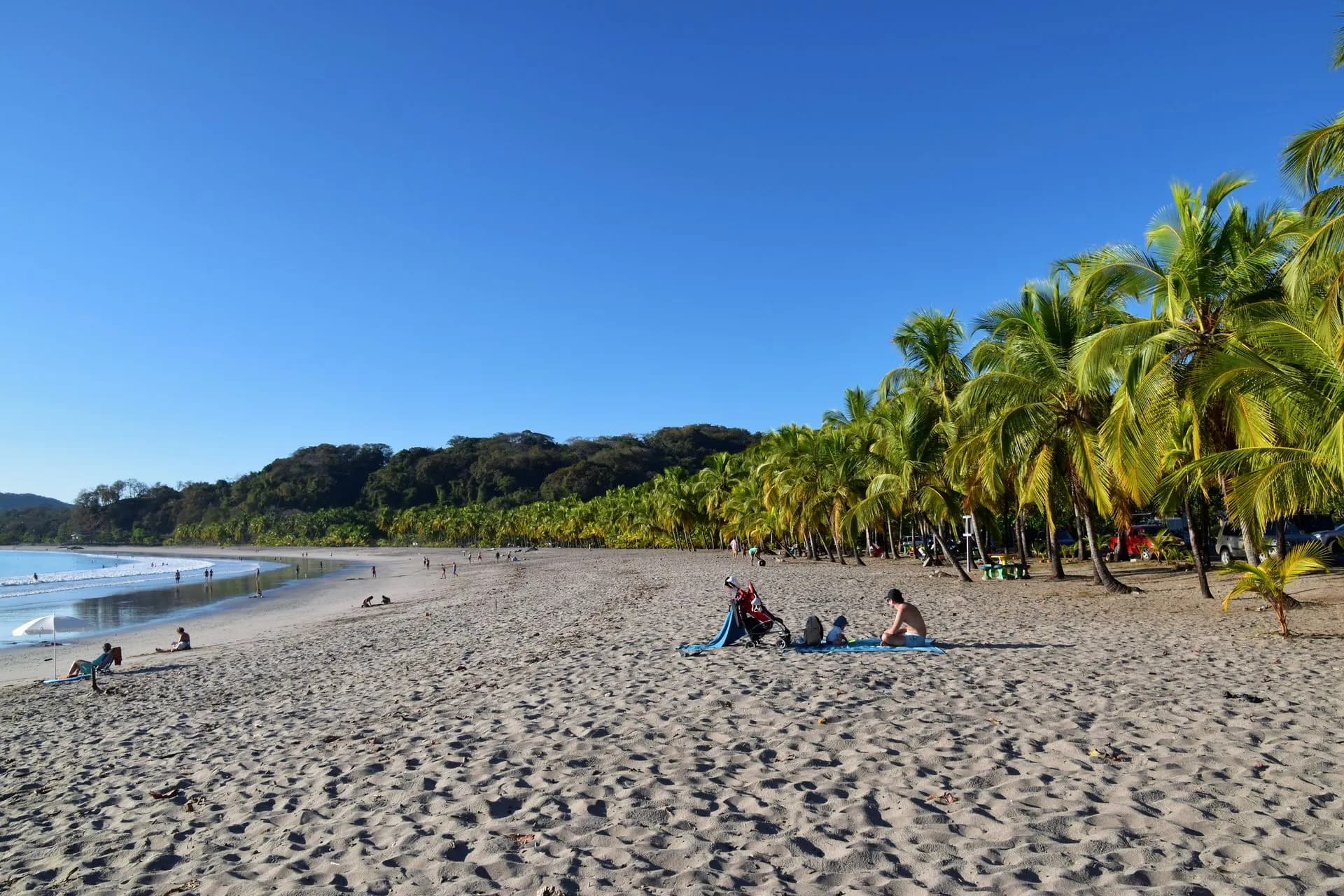
August splits harder than any other month: the wettest weather of the year so far on land, and the clearest, warmest water of the entire year offshore. If you came for what is under the surface, this is your month.
What You Should Know
- August is the wettest month of the year so far, with around 255mm of rain across roughly 21 rain days. That is more than double June and a clear step up from July, even where the veranillo runs into early August.
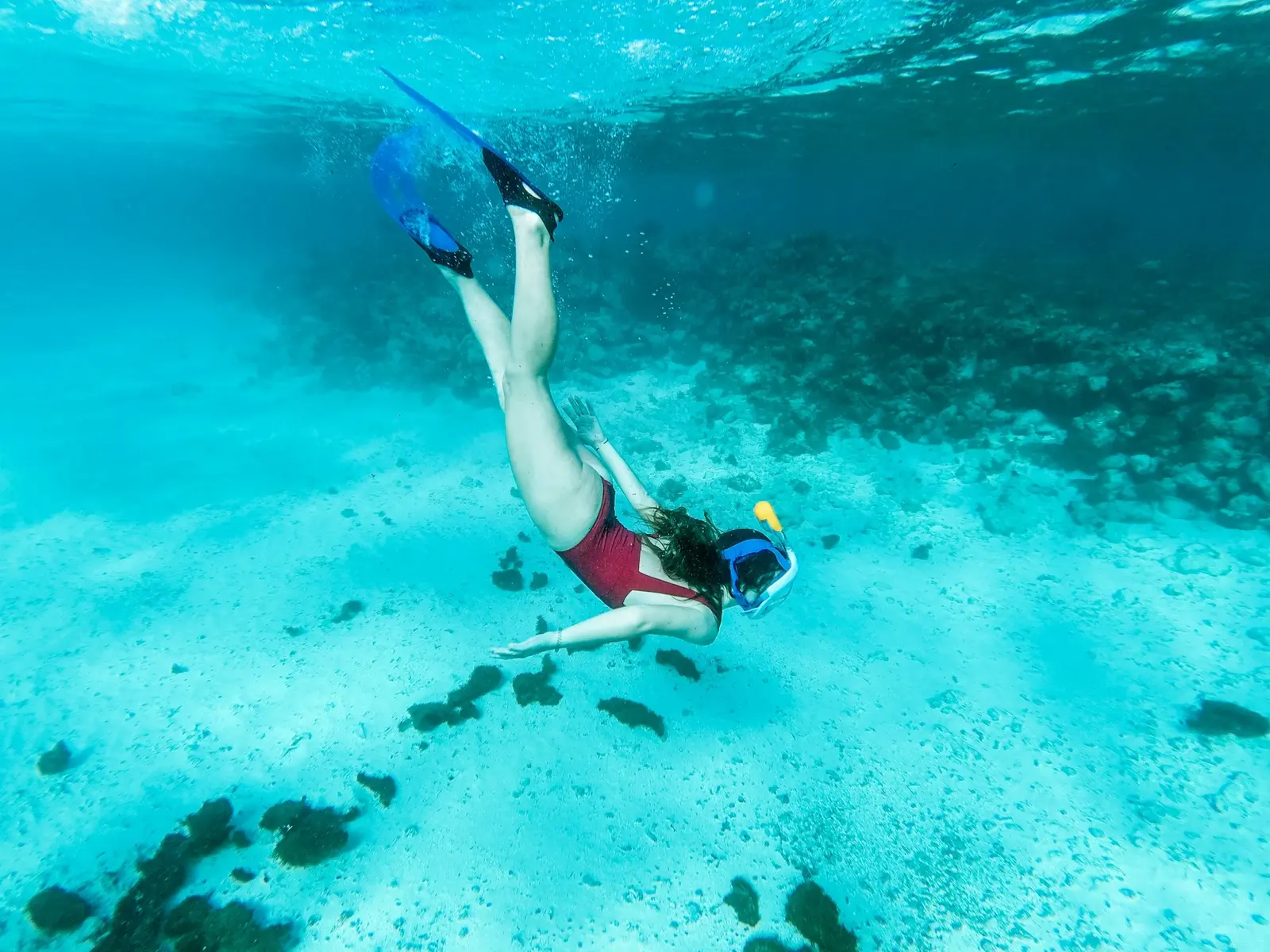
- Offshore it is the opposite story. The Catalinas deliver the year's best underwater visibility in August, with sea temperatures around 28°C (82°F) and no wind chop. This is the month the snorkeling and diving actually peaks.
- Humpback whales pass the Pacific coast between roughly June and September, which makes August one of the better windows for a sighting on a boat trip. Nothing is guaranteed, and no tour on this page is a dedicated whale watch.
- Crowds run high through the first half of the month while northern schools are still out, then ease noticeably from mid-August as term restarts. The back half is quieter and cheaper for identical conditions.
Tamarindo in August: Overview
⭐ Best August window: from about August 18. Northern school terms restart through mid-August, and the second half of the month carries the same conditions with fewer people and softer rates. Water clarity holds all month, so nothing is lost by going late.
| Factor | August Rating |
|---|---|
| Weather | 6/10: the wettest month yet, though mornings still work |
| Crowds | 7/10: busy to mid-month, then quiet |
| Prices | 7/10: green season, easing after mid-August |
| Beaches | 7/10: warm water, more interrupted days |
| Surf | 9/10: consistent green season swell |
| Snorkeling and diving | 10/10: the clearest water of the entire year |
| Wildlife | 8/10: forest green and active |
| Marine life | 8/10: humpback season, plus the Catalinas at their best |
| Families | 6/10: great water, but the wettest afternoons yet |
| Couples | 7/10: excellent second half, quiet and green |
💰 Average August hotel prices (Tamarindo town, mid-range):
To mid-August: ~$150–200/night · From mid-August: ~$120–170/night
Rough mid-range estimates; rates vary widely by property, location and booking lead time.
August is the month where the land and the sea disagree completely, and which one you care about should decide whether you book it. On land it is the wettest month of the year to this point: around 255mm of rain spread across roughly 21 days, a big step up from July even in years where the veranillo stretches into early August.
Offshore, the same conditions produce the best water of the calendar. The Papagayo winds have been gone for five months, sea temperature sits around 28°C, and the Catalinas deliver their clearest visibility of the year. The site's own snorkeling research and multiple regional dive sources converge on August as the peak month, which is the exact inverse of February, when wind chop and cold upwelling made it the worst.
Our take: this is the most specialised month in the Tamarindo calendar. We'd book this if what happens under the surface is the point of the trip, and we'd look elsewhere if you are picturing long dry beach afternoons. Most people don't realize the region's best snorkeling sits inside its wettest weather, which is why August is so consistently underrated by people planning from a rainfall chart.
Tamarindo Weather in August
| Metric | August |
|---|---|
| Avg High | 31°C (88°F) |
| Avg Low | 23°C (74°F) |
| Water Temp | ~28°C (82°F) |
| Rainfall | ~255mm (10 in) |
| Rain Days | ~21 |
| Humidity | High |
| Underwater Visibility | Best of the year at the Catalinas |
Temperature and Humidity
Highs ease slightly to around 31°C (88°F), the coolest daytime figure since the dry season started, with lows near 23°C (74°F). Cloud cover and frequent rain are what bring the temperature down, so August rarely feels oppressive in the way April did. Humidity stays high throughout.
Rain Pattern
Around 255mm across roughly 21 rain days, which makes August the wettest month covered so far and more than double June. In years where the veranillo extends into early August the first week or two can be noticeably drier, but that is a bonus rather than a baseline.
The daily shape still holds: mornings are the reliable part of the day and rain builds through the afternoon. What changes is frequency. With rain on roughly two days in three, you should plan on most afternoons being affected rather than some of them. Half-day morning tours are no longer just the better option this month, they are close to the only sensible way to structure a booking.
Sea Conditions and Visibility
This is the reason to come. Sea temperature sits around 28°C (82°F), the Papagayo winds have been absent since March, and the water at the offshore sites is at its clearest of the year. The Catalina Islands, the region's best marine site, are widely cited as being at their best in August.
It is worth flagging that sources are not unanimous here. Some dive operators point to the dry season, December to April, as the calmer and more predictable window, and calm is a genuine advantage in those months. The consensus we would act on is that dry season offers more settled sea state while August offers better visibility and warmer water, and for snorkeling specifically the August combination wins. Near-shore beach entries are the exception, since river runoff after heavy rain clouds the water close to land in a way it does not offshore.
Crowds and Prices in Tamarindo in August
August has a clean split in the middle, and it runs the opposite way to most months on this calendar.
To mid-August: summer holidays continue
Northern school holidays run into August, so the first half of the month carries the same family-travel demand that defined July. Rates hold around $150 to $200 for mid-range rooms and popular tours need a few days of notice.
From mid-August: term restarts
As schools go back through the middle of the month, demand falls away. Rates soften to roughly $120 to $170, the town quietens, and tour availability opens up again. Conditions do not change at all: water clarity, temperature and rain patterns are the same on August 25 as on August 10.
Where August sits on the year
Cheaper than July, dearer than the first three weeks of June, and far below anything in the dry season. What makes the second half of August genuinely interesting is that it pairs low-season pricing with the single best underwater month of the year, which is a combination no other month offers.
We'd shortlist late August for snorkelers and divers on a budget. We'd steer families toward July instead, since the extra rain in August makes an already tricky afternoon problem worse, and the veranillo gives July better odds.
Why August Is the Best Month in the Water
Every other month on this calendar has been decided by what happens on land. August is decided by what happens offshore, and it is worth setting out why.
The three things that line up
- No wind. The Papagayo winds that chopped up the surface and drove cold upwelling from December to March have been gone for five months. Sea state offshore is settled.
- Warm water. Around 28°C (82°F), comfortable for long periods in without a wetsuit, and a long way from February's cold spells.
- Clarity. Visibility at the Catalinas peaks in green season, with August the month most consistently cited. This is the part that separates it from the dry season.
The Catalina Islands
The rocky islands offshore from Playa Flamingo are the region's headline marine site, reachable on both snorkeling and diving trips from Tamarindo and Flamingo. They sit far enough out that river runoff does not reach them, which is why they hold clarity in a month when the beach entries do not. Our Tamarindo snorkeling guide compares the boats and the sites in detail.
Humpback whales
Humpbacks pass the Costa Rican Pacific between roughly June and September, which puts August inside the window. None of the tours on this page is a dedicated whale-watching trip, so treat a sighting as a genuine possibility on a boat day rather than something you are booking. We'd keep this in mind if you are choosing between a morning snorkel trip and a land tour: the boat carries the upside.
What is worse than dry season
Two honest caveats. Sea state is less predictable than December to April, when some dive operators prefer the calm even at the cost of clarity, so a rough morning is more possible than in the settled months. And beach snorkeling near shore suffers from runoff after heavy rain, which is exactly what August has plenty of. The clarity argument applies to the offshore sites, not to wading in off the sand.
Best Things to Do in Tamarindo in August
August's rankings are the most lopsided of the year. Anything offshore is at or near its annual peak; anything that needs a dry afternoon is at its weakest so far.
| Activity | August Rating | Best Time of Day | Notes |
|---|---|---|---|
| Snorkeling, offshore | 10/10 | Morning | The year's best visibility at the Catalinas, warm water and no wind. Up from 3/10 in February. |
| Catamaran and boat days | 9/10 | Morning | Excellent water, plus humpback season running through September. |
| Surf, experienced | 9/10 | Any | Green season swell stays consistent through August. |
| Zipline and volcano combos | 8/10 | Early morning | Rivers at their fullest, though afternoon storms are more likely at elevation. |
| Sloth and inland wildlife trips | 8/10 | Morning | Forest fully green and active. Morning departures only this month. |
| ATV and buggy tours | 7/10 | Morning | Down from June and July: tracks are wetter and muddier at peak rainfall. |
| Estuary boat safari | 8/10 | Early morning | Sheltered and reliable, and a good fallback if the coast is rough. |
| Beach days | 6/10 | Morning | Warm water, but the wettest afternoons of the year so far. |
| Surf lessons, beginner | 6/10 | Early morning | Same as June and July. The dry season remains the easier place to start. |
| Rio Celeste day trip | 5/10 | Early start | Weakest month of the year. Peak upstream rain over Tenorio browns the river most reliably now. |
Why the Flamingo snorkel day is our August pick
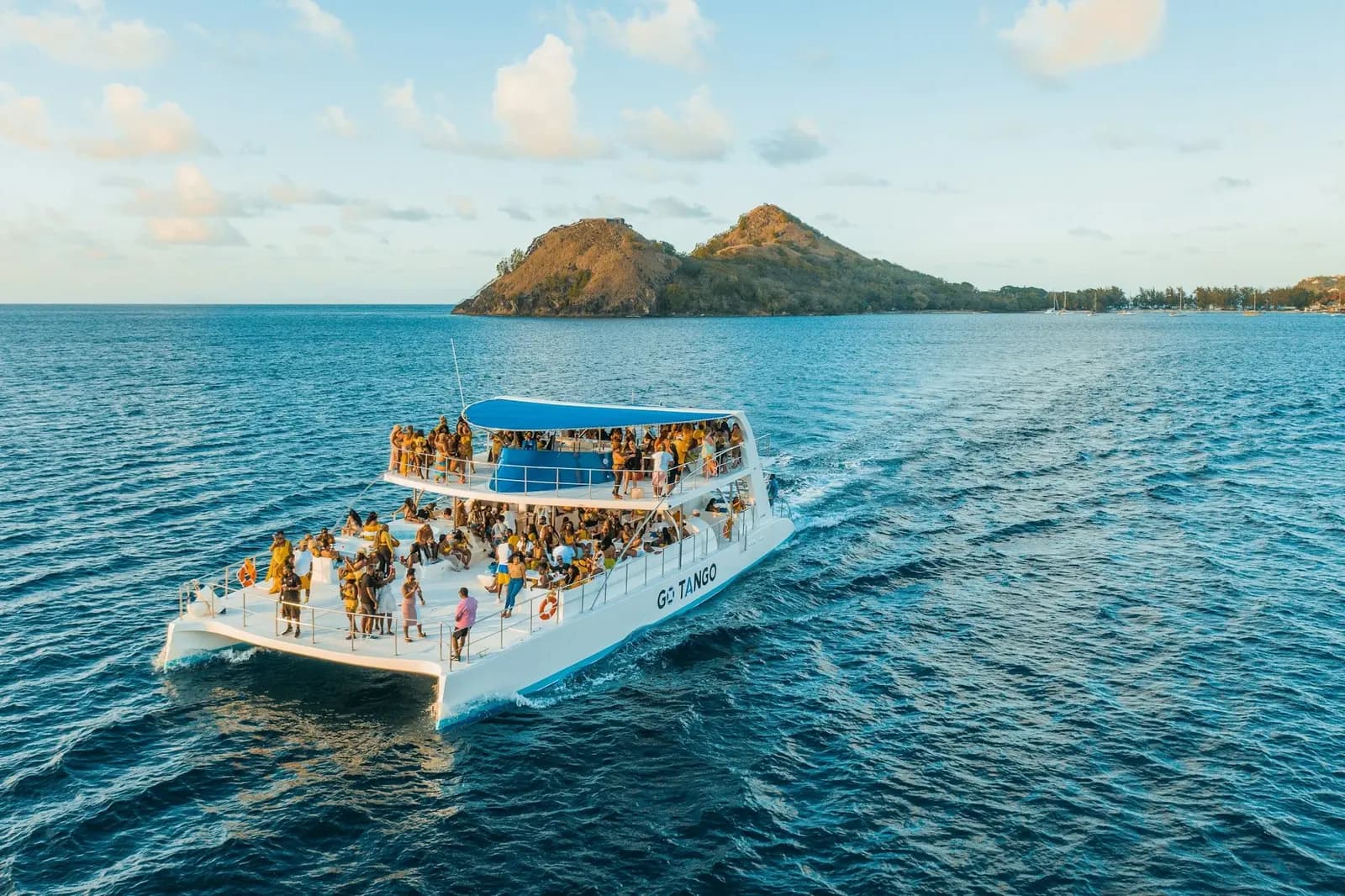
We picked this same tour for April, and we are picking it again for a completely different reason, which is worth being upfront about rather than pretending we found something new. In April it won because a full day on the water was the best way to survive the hottest month of the year. In August it wins on merit: this is the month the water itself is at its best, and a full-day trip to the offshore sites is how you use that.
The Catalinas sit far enough out that river runoff does not reach them, which matters enormously in the wettest month. Beach entries near Tamarindo will be cloudier than usual; the offshore sites will not.
The tradeoffs are unchanged from April and worth repeating. Playa Flamingo is roughly 45 minutes north each way, so this consumes a full day, and an all-inclusive open bar is easy to overdo on a long boat day. Book a morning departure rather than relying on the afternoon holding.
The rest of the shortlist
The Blue Dolphin catamaran departs from Tamarindo itself and saves the transfer, which we'd lean toward if the drive is the sticking point. The estuary boat safari is the best bad-weather booking on the page: sheltered, short, and unaffected by sea state. And we wouldn't choose Rio Celeste this month at all, since peak upstream rain makes brown water the likeliest outcome.
Other Things to Do in Tamarindo in August
Additions worth making to an August itinerary that have no dedicated guide:
- Scuba diving at the Catalinas. If you dive, this is the month. Warm water, the year's best visibility, and the region's headline site an hour offshore.
- Watch for humpbacks from any boat. The June to September window means any morning on the water carries a real chance. No dedicated tour needed to benefit.
- Witch's Rock and Ollie's Point by boat. Still firmly in swell season at the northern breaks. An experienced-surfer trip.
- Waterfalls at their fullest. Llanos de Cortes and the regional falls are carrying the year's heaviest rain, which is the opposite of how they look in March.
- Keep two indoor options in reserve. With rain on roughly two days in three, a cooking class and a coffee tasting are worth having lined up rather than improvised at 3pm.
- Late August for value. Once northern schools go back, the same water and the same weather cost noticeably less. It is the best-value fortnight for anyone whose trip is built around the sea.
Our Take
August is the one month where the rainfall chart actively misleads you. It reads as the worst month of the year so far, and for anything offshore it is the best, because the same absence of wind that lets the rain settle in also gives the Catalinas the clearest water of the calendar.
Tips for Visiting Tamarindo in August
- Book August for the water, not the beach: Offshore snorkeling and diving peak this month. Long dry afternoons on the sand do not, and no amount of planning fixes that.
- Go offshore rather than wading in: River runoff clouds near-shore water after heavy rain. The Catalinas sit far enough out to stay clear, which is the whole point of taking a boat this month.
- Travel after mid-August if you can: Northern school terms restart through the middle of the month. Conditions are identical either side, and the back half is quieter and cheaper.
- Morning departures are close to mandatory now: With rain on roughly two days in three, an afternoon booking is a coin flip. This is stricter than the advice for June or July.
- Keep two indoor fallbacks ready: Not one. At this rainfall frequency you will likely use both over a week-long stay.
- Watch the water on any boat trip: Humpbacks pass between June and September. It is not guaranteed and no tour here is a dedicated whale watch, but a morning offshore carries genuine upside.
- Skip Rio Celeste this month: Peak upstream rain over Tenorio makes brown water the likeliest outcome. Save that trip for the dry season, when it delivers what the photos promise.
- Expect muddier ATV tracks than June or July: Still a good tour, just at the wettest point of the year. Bring clothes you do not mind ruining.
- Visiting at a different time of year? Our Tamarindo in September guide covers the next month, the wettest and cheapest of the year, when the Ostional arribada brings thousands of turtles ashore at once. Our Tamarindo in February guide covers the exact inverse of this month, when the water is at its worst and the weather at its best.
How We Built This August Guide
August is the month where a rainfall figure tells you almost nothing useful, and we built this guide around that gap. On land it is the wettest month of the year to this point, at around 255mm across roughly 21 rain days. Offshore it is the best month of the year, with the clearest water at the Catalinas, warm sea temperatures and five months since the last Papagayo wind. A guide that averaged those two facts into a single verdict would be useless, so we have kept them apart throughout. That split drives the ratings. Offshore snorkeling rises to the top of the scale, having been the worst-rated activity on the February page, and the tours that need a dry afternoon fall to their lowest positions of the year. Rio Celeste reaches its weakest month here for the same sediment reason that made it January's standout. We have also flagged where sources disagree rather than picking the tidier answer. Some dive operators prefer the dry season for its calmer, more predictable sea state, and that is a fair point we have stated alongside the visibility argument, because calm and clarity genuinely peak in different months here. Tour selection came from the eight most-reviewed tours across our existing Tamarindo guides, ranked by review volume rather than preference. The August standout is the same tour we chose for April, and we have said so openly along with the different reasoning, rather than rotating to a fresh pick for the sake of variety. On sourcing: temperature, rainfall and sea-temperature figures come from published climate datasets, given as ranges where sources disagree. Visibility and marine-life seasonality come from regional dive and snorkel sources and are described as patterns rather than guarantees. Prices and review counts come from operators and platform listings as of September 2026. Hotel figures are rough mid-range estimates rather than quoted rates. Nobody on our team was in Tamarindo this August, and we have not written as though we were.
Frequently Asked Questions
Is Tamarindo good in August?+
It depends entirely on what you came for. August has the clearest, warmest water of the year at the offshore Catalinas, making it the best snorkeling and diving month. It is also the wettest month so far on land, with around 255mm of rain across roughly 21 days, so long dry beach afternoons are not what August offers.
What is the weather like in Tamarindo in August?+
Warm, humid and wet. Highs sit around 31°C (88°F) with lows near 23°C (74°F), slightly cooler than July because of the cloud and rain. Expect roughly 255mm of rainfall across about 21 rain days, still arriving mostly as afternoon showers with reliable mornings.
Is August good for snorkeling in Tamarindo?+
It is the best month of the year for it. The Papagayo winds have been gone since March, sea temperature sits around 28°C (82°F), and visibility at the Catalina Islands peaks in green season with August most consistently cited. The caveat is that this applies offshore: near-shore beach entries get cloudy from river runoff after heavy rain.
Can you see whales in Tamarindo in August?+
Possibly. Humpback whales pass the Costa Rican Pacific between roughly June and September, which puts August inside the window. None of the tours on this page is a dedicated whale-watching trip, so treat a sighting as genuine upside on a morning boat day rather than something you are booking outright.
Is August expensive in Tamarindo?+
The first half is moderately priced at roughly $150 to $200 a night for mid-range rooms, while northern school holidays run. From mid-August, as terms restart, rates ease to about $120 to $170 with no change in conditions, which makes the back half of the month unusually good value.
What is the best week to visit Tamarindo in August?+
From around August 18. Northern school terms restart through the middle of the month, so the second half is quieter and cheaper while water clarity, temperature and rain patterns stay identical. For anyone building a trip around snorkeling or diving, late August is the best value fortnight of the year.
What activities are best in Tamarindo in August?+
Anything offshore. Snorkeling and diving at the Catalinas are at their annual peak, and catamaran days carry the added chance of humpbacks. Surf stays strong for experienced surfers. Book everything for the morning, and skip Rio Celeste this month, since peak upstream rain makes brown water the likeliest outcome.
Is August or February better in Tamarindo?+
They are exact opposites. February has the best weather and the worst water: guaranteed sun, but peak wind, chop and the coldest sea of the year. August has the wettest weather and the best water: frequent afternoon rain, but the clearest visibility and warmest sea. Choose February for land and surf, August for anything under the surface.
Affiliate note: Some links on this page are affiliate links. If you book through them, we may earn a small commission at no additional cost to you.